
How Sulforaphane in Broccoli Builds New Mitochondria
Reviewed & Edited by: Dr. Dooa Arif, Content Strategist
Estimated Reading Time: 7 minutes
Table of Contents
TL;DR
Sulforaphane, a compound found in cruciferous vegetables like broccoli, plays a pivotal role in supporting mitochondrial health and energy production. By activating the Nrf2 pathway, it boosts cellular defence systems and stimulates the creation of new mitochondria, crucial for maintaining optimal energy levels. It also protects existing mitochondria from oxidative damage and supports the dynamic processes that keep them functioning efficiently. With powerful sources like broccoli sprouts, cabbage, and brussels sprouts, incorporating these vegetables into your diet regularly can significantly enhance your mitochondrial function. Combining light cooking methods with raw ingredients or pairing with healthy fats further optimises sulforaphane's absorption. Through creative meal planning and understanding the bioavailability factors, you can easily reap the long-term benefits of this powerful nutrient for cellular health.
Sulforaphane,is a phytochemical that belongs to a family of compounds called isothiocyanates, which form when you chew, chop, or digest cruciferous vegetables. This process breaks down glucoraphanin, the precursor compound, releasing sulforaphane into your system. Once absorbed, this remarkable molecule travels throughout your body, crossing cellular membranes and even the blood-brain barrier to exert its protective effects.
What makes this phytochemical particularly special is its ability to communicate with your cellular machinery at a genetic level. It activates a protein called Nrf2, which functions as a master regulator of your cellular defence systems. Think of Nrf2 as a conductor orchestrating hundreds of protective genes, including those responsible for antioxidant production, detoxification, and crucially, mitochondrial health.
The health benefits extend far beyond simple antioxidant activity. Unlike direct antioxidants that neutralise free radicals one-to-one, sulforaphane triggers your cells to produce their own protective compounds. This creates a sustained protective effect that lasts far longer than consuming antioxidants directly.
The Mitochondrial Connection
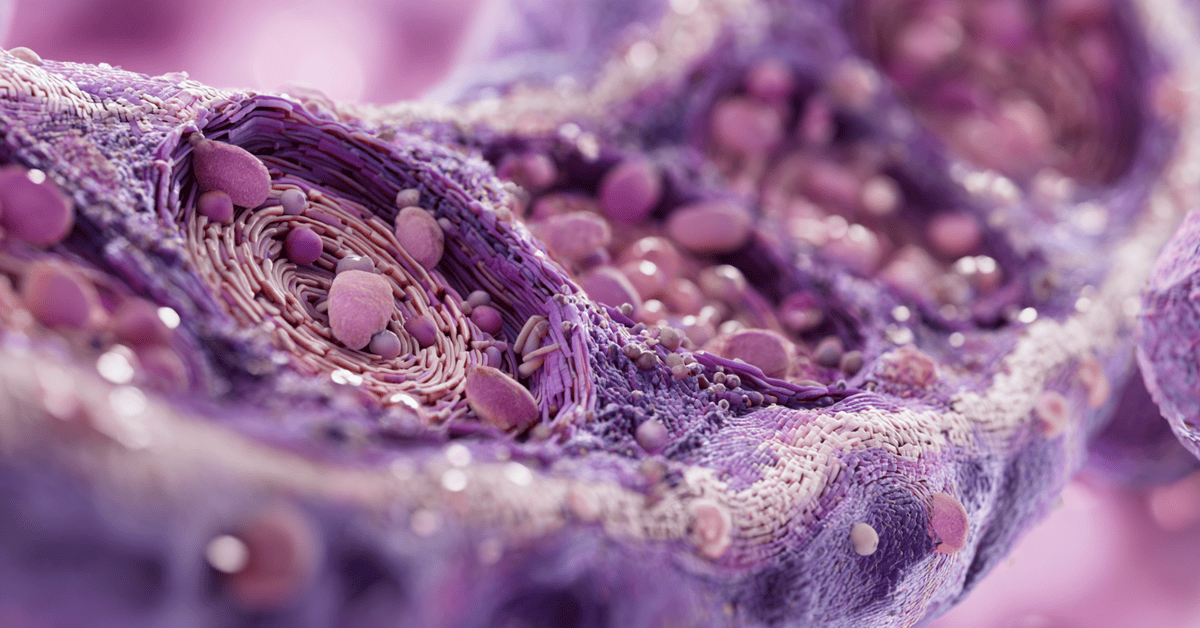
Mitochondrial biogenesis represents your cells’ ability to create new, functional mitochondria – the energy powerhouses that fuel everything from thinking to moving. Sulforaphane supports this process through several interconnected mechanisms that work synergistically to enhance cellular energy production.
When sulforaphane activates the Nrf2 pathway, it simultaneously stimulates PGC-1α, a master regulator of mitochondrial biogenesis¹. This protein coordinates the complex process of building new mitochondria, ensuring your cells maintain adequate energy production capacity. As we age or face chronic stress, mitochondrial quantity and quality naturally decline, making this regenerative support increasingly valuable.
Beyond creating new mitochondria, sulforaphane protects existing ones from oxidative damage. Mitochondria generate reactive oxygen species as a natural byproduct of energy production, potentially damaging their own structures over time. Sulforaphane-filled broccoli sprouts and other cruciferous vegetables provide compounds that enhance your mitochondria’s natural antioxidant defences, preserving their function and longevity.
The compound also influences mitochondrial dynamics – the continuous processes of fusion and fission that maintain optimal mitochondrial networks. Healthy mitochondria can fuse together to share resources and repair damage, whilst damaged sections can split off for recycling. The phytochemical helps maintain this delicate balance, ensuring your cellular energy systems remain efficient and responsive.
Key Takeaways: Sulforaphane activates PGC-1α, the master regulator controlling new mitochondria creation. It protects existing mitochondria from oxidative stress whilst supporting new mitochondrial growth. The phytochemical maintains healthy mitochondrial dynamics, ensuring optimal energy production networks.
Top Food Sources for Daily Intake
Broccoli sprouts reign supreme amongst “sulforaphane” rich foods, containing concentrated levels of glucoraphanin that convert to active sulforaphane. These tiny powerhouses deliver significantly higher amounts than mature vegetables, making them an efficient choice for targeted mitochondrial support. Just a small handful of fresh sprouts can provide substantial content.
Mature broccoli remains an excellent source, particularly when consumed raw or lightly cooked. The florets contain glucoraphanin, whilst the enzyme myrosinase, necessary for conversion to sulforaphane, exists throughout the plant. Combining slightly cooked broccoli with raw elements or mustard powder can optimise production during digestion.
Sulforaphane cabbage varieties, including red, green, and savoy types, offer versatile options for regular consumption. Fermented preparations like sauerkraut provide the additional benefit of probiotics, supporting gut health alongside mitochondrial function. Raw cabbage in slaws and salads maximises enzyme activity for sulforaphane conversion.
Other valuable food sources include:
- Brussels sprouts: Dense nutrition with excellent sulforaphane content when lightly steamed
- Cauliflower: Versatile preparation options whilst maintaining beneficial compounds
- Kale: Multiple varieties providing consistent sulforaphane alongside other phytonutrients
- Rocket: Peppery greens offering the compound with minimal preparation needed
- Watercress: Often overlooked but surprisingly rich in glucoraphanin precursors
Key Takeaways: Broccoli sprouts contain the highest concentration of sulforaphane precursors amongst common vegetables. Both raw and lightly cooked preparations offer benefits, with different preparation methods affecting bioavailability. Variety across cruciferous vegetables ensures diverse phytonutrient intake beyond the phytochemical alone.
Maximising Absorption and Bioavailability
The enzyme myrosinase plays a crucial role in converting glucoraphanin to active sulforaphane, but cooking can deactivate this enzyme. Lightly steaming vegetables like broccoli for three to four minutes preserves some enzyme activity whilst improving digestibility. Alternatively, pairing cooked cruciferous vegetables with raw sources or adding mustard powder reintroduces myrosinase to facilitate conversion.
Your gut microbiome significantly influences sulforaphane absorption and metabolism. Certain beneficial bacteria can convert glucoraphanin to sulforaphane even when plant enzymes are inactive, highlighting the importance of maintaining diverse gut flora. Supporting your microbiome through varied fibre intake and fermented foods may enhance your body’s ability to utilise this compound effectively.
Combining cruciferous vegetables with healthy fats can improve absorption of sulforaphane and other beneficial compounds. Adding olive oil, avocado, or nuts to your broccoli or cabbage dishes supports optimal uptake whilst creating satisfying, flavourful meals that encourage regular consumption.
Timing matters too. Spreading cruciferous vegetable intake throughout the day maintains steady levels, supporting continuous activation of protective pathways. Rather than consuming large amounts occasionally, regular moderate portions provide sustained mitochondrial support.
Key Takeaways: Light cooking with enzyme reactivation strategies optimises sulforaphane availability. A healthy gut microbiome enhances your body’s ability to produce sulforaphane from precursors.Consuming cruciferous vegetables with healthy fats and spreading intake throughout the day maximises benefits.
FAQs
Cooking broccoli can reduce sulforaphane levels, but light steaming for 3-4 minutes helps preserve its beneficial compounds.
Exercise, particularly endurance and strength training, stimulates the production of new mitochondria, with compounds like sulforaphane also promoting mitochondrial biogenesis through cellular pathways.
References
- Shimizu, S., Kasai, S., Yamazaki, H., Tatara, Y., Mimura, J., Engler, M. J., Tanji, K., Nikaido, Y., Inoue, T., Suganuma, H., Wakabayashi, K., & Itoh, K. (2022). Sulforaphane increases mitochondrial biogenesis‑related gene expression in the hippocampus and suppresses age‑related cognitive decline in mice. International Journal of Molecular Sciences, 23(15), Article 8433. https://doi.org/10.3390/ijms23158433