
Heart Arrhythmias: The Mitochondrial Energy Deficit No One Sees
Reviewed & Edited by: Dr. Dooa Arif, Content Strategist
Estimated Reading Time: 7 minutes
Table of Contents
TL;DR
Heart arrhythmias, which are irregularities in heart rhythm, are often linked to mitochondrial dysfunction, a condition that can subtly compromise the heart’s energy production. The mitochondria in heart muscle cells are crucial for maintaining the energy necessary for electrical stability, as these cells require an enormous amount of ATP to power ion pumps that regulate the heart's rhythm. When the organelle function is impaired, this leads to energy deficits that cause electrical instability, resulting in arrhythmias like atrial fibrillation or ventricular arrhythmias. Additionally, risk factors such as hypertension, diabetes, and poor lifestyle choices accelerate mitochondria damage.
Arrhythmias meaning irregularities in heart rhythm represent one of cardiology’s most complex challenges. Your heart beats approximately 100,000 times daily, each contraction requiring precise electrical coordination. When this rhythm falters, the consequences range from barely noticeable to life-threatening.
What many don’t realise is that beneath every heartbeat lies an extraordinary energy demand. Your cardiac muscle cells contain more mitochondria than almost any other tissue, reflecting the heart’s relentless need for cellular fuel. When these microscopic powerhouses falter, the electrical system becomes vulnerable.
The Electrical Symphony of Your Heart
Understanding arrhythmia’s heart rate variations requires appreciating the heart’s electrical nature. Each heartbeat begins with an electrical impulse in the sinoatrial node, spreading through specialised pathways that coordinate atrial and ventricular contractions.
This electrical cascade depends entirely on ion pumps – molecular machines that maintain precise sodium, potassium, calcium, and magnesium gradients across cell membranes. These pumps consume enormous amounts of ATP, the cellular energy currency produced by mitochondria.
When mitochondrial function declines, these ion pumps struggle. Sodium accumulates where it shouldn’t, potassium leaks out, and calcium regulation becomes chaotic. The result is electrical instability that manifests as irregular heartbeats, palpitations, or dangerous rhythm disturbances.
The ATP Demand Crisis
Your heart’s electrical system operates on razor-thin energy margins. Unlike skeletal muscle, which can rest between contractions, cardiac tissue never stops working. This continuous demand makes the heart exquisitely sensitive to mitochondria dysfunction.
Key Takeaways: Heart rhythm relies on energy-intensive ion pumps. Continuous cardiac activity creates constant ATP demand. Mitochondrial dysfunction directly disrupts electrical stability.
Mitochondria: Your Heart's Hidden Power Grid
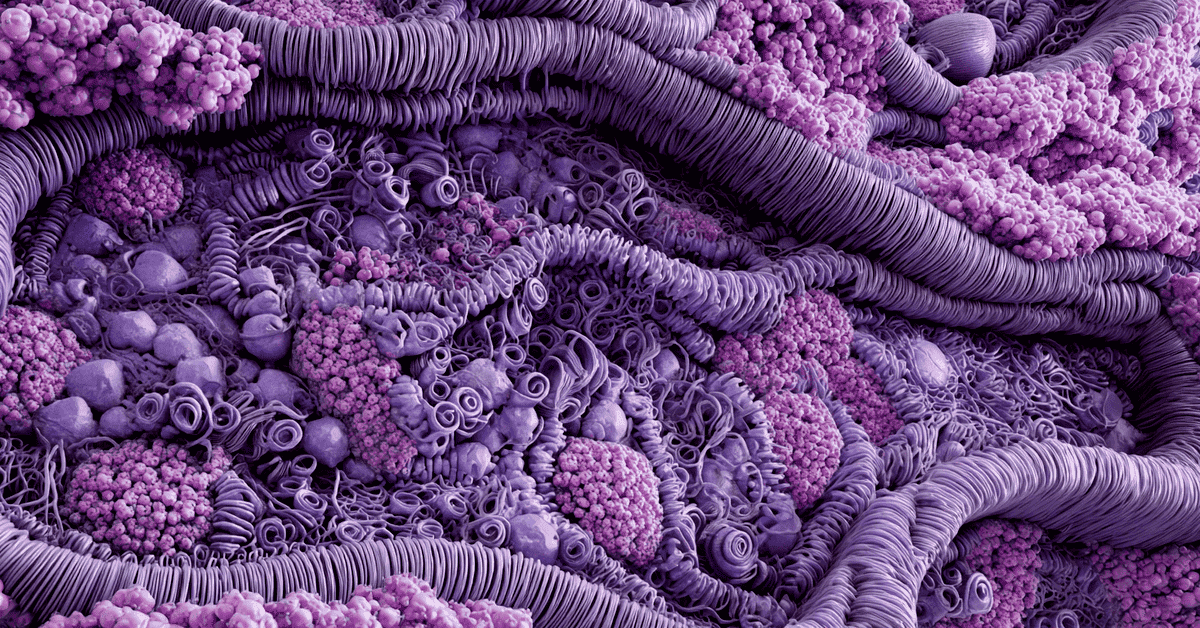
Mitochondria function as cellular power stations, converting nutrients into ATP through oxidative phosphorylation. In cardiac tissue, these organelles occupy nearly forty percent of cell volume, reflecting the heart’s extraordinary energy requirements.
Each heartbeat consumes substantial ATP reserves. To maintain rhythm stability, mitochondria must continuously regenerate this energy. When this organelle’s capacity diminishes – through oxidative stress, inflammation, nutrient deficiencies, or age-related decline – the heart’s electrical system becomes increasingly fragile.
Mitochondrial dysfunction doesn’t announce itself with obvious symptoms initially. Instead, it manifests as subtle rhythm irregularities, occasional palpitations, or exercise intolerance. These early warnings often go unrecognised until more serious arrhythmias examples emerge.
The Vicious Cycle
Arrhythmias themselves create additional mitochondrial stress. Irregular contractions generate oxidative damage, calcium overload stresses mitochondria further, and reduced pumping efficiency decreases oxygen delivery. This creates a destructive feedback loop where rhythm problems beget more cellular damage, which worsens rhythm stability.
Key Takeaway: Arrhythmias and mitochondrial dysfunction reinforce each other.
The Energy-Rhythm Connection
The relationship between cellular health and heart rhythm represents a paradigm shift in understanding cardiac arrhythmias. Traditional cardiology focuses on structural abnormalities, electrical pathway disruptions, or electrolyte imbalances. Whilst these factors matter, they often represent downstream consequences of upstream energy deficits.
Consider atrial fibrillation, the most common sustained arrhythmia. Research reveals that atrial tissue in affected individuals shows marked mitochondrial abnormalities, including reduced ATP production, increased oxidative stress, and impaired calcium handling. These energy deficits precede and contribute to the electrical chaos characteristic of this condition¹.
Similarly, ventricular arrhythmias often emerge in contexts of metabolic stress – after heart attacks, in heart failure, or during intense physical exertion. In each scenario, mitochondria capacity fails to meet cardiac energy demands, destabilising the electrical system.
Key Takeaways: Energy deficits often precede electrical abnormalities. Mitochondria dysfunction underlies multiple arrhythmia types. Metabolic stress reveals underlying energy production inadequacy.
Arrhythmias Risk Factors and Mitochondrial Damage

Understanding arrhythmias risk factors through a mitochondrial lens reveals surprising connections. Traditional risk factors – hypertension, diabetes, obesity, smoking – all profoundly damage organelle function.
Chronic inflammation, whether from poor diet, stress, or underlying conditions, generates reactive oxygen species that damage mitochondrial DNA and membranes. Unlike nuclear DNA, mitochondria lack robust repair mechanisms, making them particularly vulnerable to oxidative injury.
Five Major Cellular Stressors
- Chronic sleep deprivation: Disrupts mitochondrial biogenesis and increases oxidative stress
- Processed food consumption: Provides insufficient micronutrients whilst promoting inflammation
- Sedentary behaviour: Reduces mitochondria density and efficiency
- Excessive alcohol intake: Directly damages organelle membranes and function
- Environmental toxins: Many chemicals specifically target mitochondria processes
Nutrient deficiencies particularly impact cardiac mitochondria. Magnesium, CoQ10, B vitamins, and omega-3 fatty acids all support mitochondria function. Modern diets often provide inadequate amounts of these critical nutrients.
Key Takeaways: Traditional cardiac risk factors damage mitochondria. Lifestyle factors profoundly influence organelle health. Nutrient status directly affects cardiac energy production.
Supporting Mitochondrial Health for Heart Rhythm
Addressing arrhythmias through mitochondria support offers a complementary approach to conventional treatments. This strategy focuses on optimising cellular energy production whilst reducing factors that damage mitochondria.
Begin by opting for a mescreen™ Mitochondrial Function Assessment that helps you assess your mitochondrial health, giving you personalized recommendations based on the results to optimize your energy levels, improve organelle function, and support wellness.
Nutritional Foundations
Whole food nutrition provides the building blocks for healthy mitochondria. Colourful vegetables supply antioxidants that protect against oxidative damage. Quality proteins provide amino acids for mitochondrial repair. Healthy fats support membrane integrity.
Specific nutrients deserve particular attention. Magnesium supports over three hundred enzymatic reactions, many involving energy production. CoQ10 functions directly in the electron transport chain. Omega-3 fatty acids reduce inflammation whilst supporting mitochondrial membranes.
Lifestyle Interventions
Exercise represents one of the most powerful stimulants. Regular physical activity triggers mitochondrial biogenesis, increases oxidative capacity, and improves calcium handling. Even moderate activity provides substantial benefits.
Sleep quality profoundly influences mitochondrial health. During deep sleep, cellular repair processes accelerate, oxidative damage gets cleared, and mitochondrial regeneration occurs. Prioritising consistent, quality sleep supports cardiac energy production.
Stress management matters enormously. Chronic stress elevates cortisol, increases inflammation, and generates oxidative stress – all damaging mitochondria. Practices like meditation, breathwork, or gentle movement support both organelle function and autonomic balance.
Five Support Strategies
- Prioritise whole, nutrient-dense foods: Focus on vegetables, quality proteins, healthy fats
- Implement regular movement: Include both aerobic exercise and strength training
- Optimise sleep quality: Maintain consistent schedules and create restful environments
- Manage stress effectively: Develop daily practices that promote nervous system balance
- Consider targeted supplementation: Work with practitioners to address specific deficiencies
Key Takeaways: Mitochondrial support complements conventional arrhythmia treatments. Nutrition, exercise, and stress management directly influence energy production. Addressing root causes offers sustainable rhythm stability.
FAQs
The four main types of arrhythmias are atrial fibrillation, ventricular tachycardia, bradycardia, and supraventricular tachycardia.
Yes, heart arrhythmias can cause fatigue due to the heart’s inability to pump blood efficiently, leading to reduced oxygen supply to the body.
References
1. Deng, J., Jiang, Y., Chen, Z. B., Rhee, J.‑W., Deng, Y., & Wang, Z. V. (2023). Mitochondrial dysfunction in cardiac arrhythmias. Cells, 12(5), 679. https://doi.org/10.3390/cells12050679