
How Alpha-Lipoic Acid Protects Mitochondria from Oxidative Damage
Reviewed & Edited by: Dr. Dooa Arif, Content Strategist
Estimated Reading Time: 6 minutes
Table of Contents
TL;DR
Alpha-lipoic acid (ALA) is a powerful and versatile antioxidant that plays a crucial role in protecting mitochondria from oxidative damage and supporting energy production. Its unique ability to function in both water and fat environments allows it to provide comprehensive cellular protection, particularly in mitochondria, which are highly susceptible to oxidative stress due to their role in energy production. By promoting mitochondrial biogenesis, stabilising membranes, and supporting key metabolic processes, ALA enhances cellular energy metabolism and overall vitality. Supplementing with ALA can help combat the natural decline in mitochondrial function associated with aging and improve overall health, from boosting cognitive function to supporting skin health.
Alpha-lipoic acid represents a fascinating compound that exists naturally within every cell of your body. Unlike many antioxidants that work in limited environments, ALA possesses the remarkable ability to function in both water-soluble and fat-soluble environments. This dual nature allows it to reach mitochondria wherever they exist, making it an exceptionally effective cellular protector.
Mitochondria serve as the energy factories of your cells, converting nutrients into usable energy through complex biochemical processes. These organelles work tirelessly throughout your lifetime, generating the fuel that powers everything from muscle contractions to brain function. However, this constant energy production creates a challenging environment where protective compounds like ALA become essential for maintaining optimal function.
Your body produces ALA naturally, though production gradually declines with age. This organic compound participates in numerous enzymatic reactions within mitochondria, supporting the metabolic processes that keep your cells vibrant and functional. Beyond its direct roles in energy metabolism, ALA organic forms serve as powerful guardians against the destructive forces that threaten mitochondrial integrity.
How Oxidative Damage Threatens Mitochondrial Health
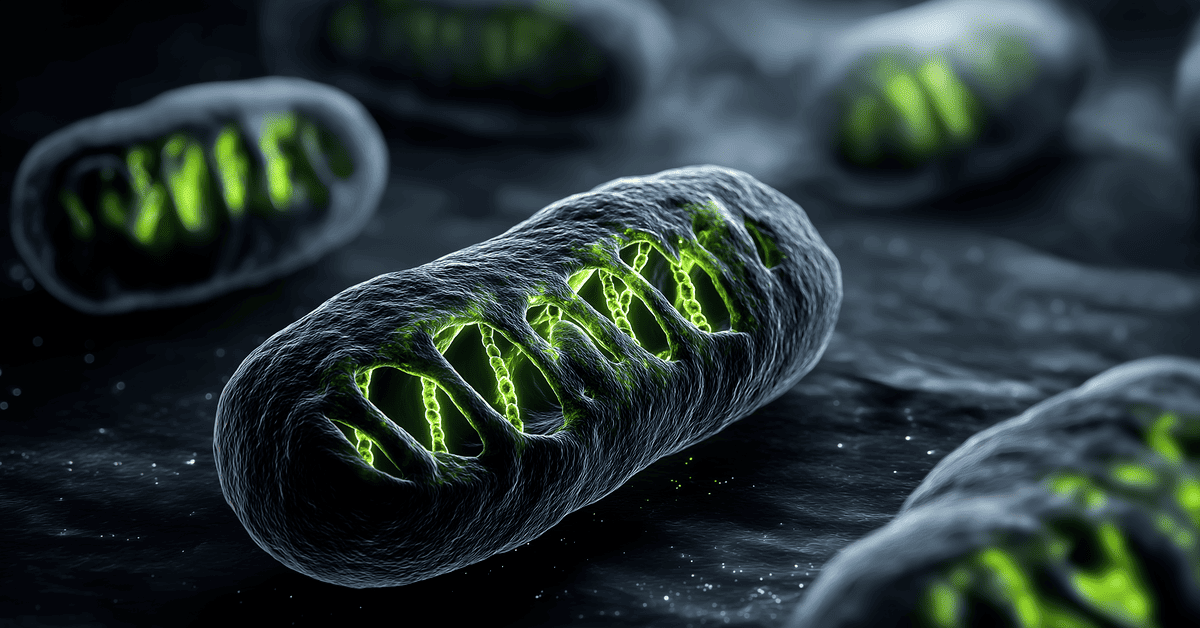
Oxidative damage represents one of the most significant challenges facing mitochondrial health. During normal energy production, mitochondria generate reactive oxygen species as unavoidable byproducts. These unstable molecules possess unpaired electrons, making them highly reactive and potentially harmful to surrounding cellular structures.
When reactive oxygen species accumulate faster than your antioxidant defences can neutralise them, oxidative stress develops. This imbalance particularly threatens mitochondrial membranes, which contain delicate lipid structures vulnerable to oxidative attack. The inner mitochondrial membrane, where energy production occurs most intensively, faces especially high exposure to these damaging molecules.
Mitochondrial DNA also suffers under oxidative assault. Unlike nuclear DNA, which benefits from multiple protective mechanisms, mitochondrial genetic material sits closer to the sites of reactive oxygen species generation. This proximity makes it more susceptible to oxidative modifications that can compromise cellular function. Over time, accumulated damage may contribute to declining energy production and cellular vitality.
A mescreen™ Mitochondrial Function Assessment offers an in-depth look at your cellular health, helping you assess mitochondrial function and its impact on your overall health parameters.
The protein machinery within mitochondria likewise also requires protection. Oxidative modifications to enzymes and structural proteins can impair their function too, creating a cascade of metabolic disruptions. ALA effects become particularly valuable in this context.
Key Takeaways: Mitochondrial membranes and DNA are especially vulnerable to oxidative damage. Accumulated oxidative stress compromises cellular energy and function over time.
Unique Antioxidant Properties
What distinguishes ALA from other antioxidants is its exceptional versatility. Most antioxidants function exclusively in either aqueous or lipid environments, limiting their protective reach. ALA breaks this constraint, operating effectively throughout cellular compartments. This amphipathic nature means it can protect both the watery cytoplasm and fatty cell membranes where mitochondria reside.
It also demonstrates remarkable recycling capabilities. After neutralising free radicals, many antioxidants become inactive. However, ALA can be regenerated back to its active form, allowing repeated protective actions. Even more impressively, it helps regenerate other crucial antioxidants including vitamin C, vitamin E, and glutathione, effectively amplifying your cellular antioxidant network¹.
The compound’s small molecular size provides another advantage. This compact structure allows ALA to cross cellular barriers easily, including the blood-brain barrier. Such accessibility ensures comprehensive protection for mitochondria throughout your body, including those within neurological tissues that demand particularly robust antioxidant support.
Key Takeaways: ALA functions in all cellular environments, unlike most antioxidants. Small molecular size ensures widespread cellular accessibility and protection
ALA's Direct Protection Mechanisms for Mitochondria

The compound employs multiple strategies to shield mitochondria from oxidative harm. Its direct free radical scavenging represents the most straightforward protective mechanism. When reactive oxygen species form during energy production, ALA molecules intercept them before they can attack vulnerable mitochondrial components. This frontline defence prevents oxidative chain reactions that could propagate damage throughout cellular structures.
The compound also influences mitochondrial gene expression patterns. Research suggests it can modulate which genes mitochondria activate, potentially enhancing the production of protective proteins and enzymes. This genetic influence supports long-term mitochondrial resilience beyond immediate antioxidant effects.
Membrane stabilisation constitutes another crucial protective function. Mitochondrial membranes must maintain specific structural properties to support energy production efficiently. ALA organic compounds integrate into these membranes, helping preserve their integrity against oxidative attack whilst maintaining optimal fluidity for metabolic processes.
ALA additionally supports the mitochondrial electron transport chain – the cellular machinery responsible for generating most of your body’s usable energy. By accepting and donating electrons at specific points in this process, ALA helps maintain smooth electron flow whilst minimising opportunities for reactive oxygen species formation.
Key Takeaways: ALA directly neutralises harmful free radicals before they damage mitochondria. It influences genetic expression to enhance cellular protective capabilities.
Supporting Energy Production and Cellular Metabolism
Beyond protection, ALA actively participates in energy metabolism. The compound serves as a cofactor for several mitochondrial enzymes essential for converting food into cellular energy. These enzymatic partnerships ensure efficient nutrient processing, helping mitochondria extract maximum energy from the fuels you consume.
Glucose metabolism particularly benefits from ALA’s presence. The compound enhances cellular glucose uptake and utilisation, supporting stable energy levels throughout your day.
At therapeutic doses, ALA may help optimise mitochondrial function in various tissues, from muscle cells that demand substantial energy for movement to brain cells requiring constant fuel for cognitive processes.
The compound also influences lipid metabolism within cells. By supporting healthy fat processing, ALA helps ensure mitochondria receive appropriate fuel supplies whilst preventing harmful lipid accumulation that could compromise their function.
Key Takeaways: ALA serves as an essential cofactor for energy-producing enzymes. It enhances glucose metabolism and cellular energy availability.
FAQs
Yes, alpha-lipoic acid has neuroprotective properties, helping to reduce oxidative stress and inflammation, thereby supporting brain health and function.
ALA is considered one of the best antioxidants for mitochondria, as it helps protect against oxidative damage and supports mitochondrial function and energy production.
References
- Packer, L., Witt, E. H., & Tritschler, H. J. (1995). Alpha‑lipoic acid as a biological antioxidant. Free Radical Biology and Medicine, 19(2), 227–250. https://pubmed.ncbi.nlm.nih.gov/8958163/