Sports drinks: Dubai’s hydration question
Sports drinks in Dubai: explore hydration and electrolytes, what exercise evidence supports, and why a sporting label is not a universal recommendation.

mescreen™ content strategist
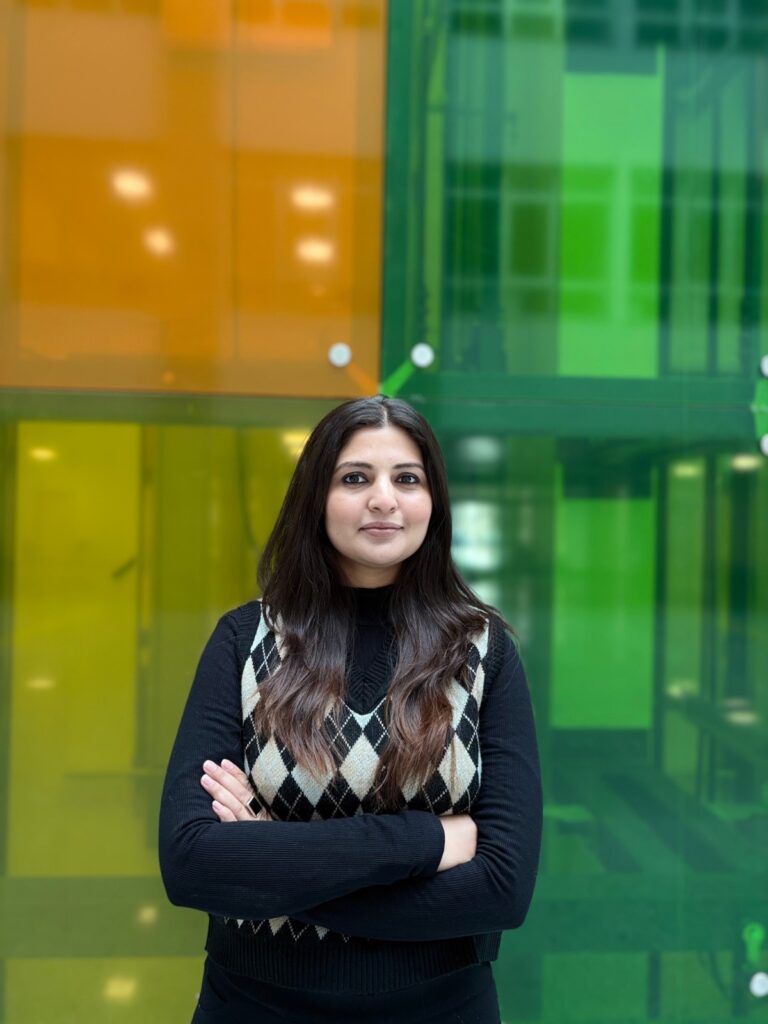
PhD biomedical researcher and science writer specialising in biosensors and diagnostic technologies. Dr. Arif reviews and edits mescreen™ blog content, translating biomedical research into clear, consumer-friendly education.
Role: Content Strategist, mescreen™
Research background: Biosensors, electrochemical sensors, MOFs, nanomaterials and diagnostic technologies
Public record: ORCID 0000-0002-5356-7102 · Google Scholar h-index 7
Biography
Dr. Dooa Arif is a biomedical researcher and science writer with a PhD in Nanoscience and Engineering and a research background in electrochemical biosensors, nanomaterials and diagnostic sensing technologies. Her work helps translate complex biomedical research into accessible, evidence-led health content.
Her doctoral work at the National University of Sciences and Technology focused on metal-organic-framework based electrochemical sensors for glucose detection. She also holds a master’s degree in Biomedical Science, where her work included antibacterial nanocomposite coatings for biomedical applications, and a bachelor’s degree in Biotechnology.
Dr. Arif’s research experience spans non-enzymatic glucose and dopamine sensing, smart hypoxia detection, functional nanocomposites, MOFs, point-of-care diagnostics, wearable and flexible bioelectronics, and laboratory methods including electrochemical analysis, microscopy, XRD and UV-Vis characterisation. That background gives her a practical understanding of how measurement technologies are developed, validated and communicated.
For mescreen™, Dr. Arif’s remit is content strategy, reviewing and editing: making sure mitochondrial-health, biomarker and diagnostics topics are explained accurately, in language that informed consumers can use.
Research focus
Dr. Arif’s publication and laboratory record is strongest in electrochemical sensing: glucose and dopamine sensors, MOF-based materials, nanocomposite interfaces and biomedical point-of-care diagnostics. Her mescreen™ role is not to present herself as a mitochondrial clinician; it is to bring PhD-level research literacy to consumer-facing biomedical education.
FAQ
She reviews and edits mescreen™ educational content on biomarkers, mitochondrial health, diagnostics and health-testing science, using her PhD-level background in biosensors and biomedical research.
No. Her public academic record is strongest in electrochemical biosensors, nanomaterials, MOFs and diagnostic technologies. mescreen™ presents her as a biomedical researcher and content strategist.
No. Her review is editorial and scientific (accuracy and clarity), not clinical. mescreen™ articles are general education and not a substitute for advice from a licensed healthcare professional.
Her public profiles show ORCID 0000-0002-5356-7102, a Google Scholar h-index of 7, five PubMed-indexed records, and a LinkedIn profile.
Recently reviewed

Sports drinks in Dubai: explore hydration and electrolytes, what exercise evidence supports, and why a sporting label is not a universal recommendation.

Artificial sweeteners, stevia and sugar-free claims explained for UAE readers: what WHO guidance says about weight control, safety and limits of the evidence.
Cold plunge benefits in Dubai deserve a closer look: compare ice bath claims, cold-water immersion research and safety limits before booking a wellness session.
Check supplement registration in Dubai with Montaji, compare product details and understand what a UAE registration record does, and does not, establish.
IV vitamin drips in Dubai promise wellness, but what does the evidence show? Explore vitamin infusion risks, informed consent and questions worth asking first.
Antibiotic resistance explained for Dubai and UAE readers: understand antibiotic misuse, global statistics and why wellness tests cannot assess infection risk.