
Why Mitochondrial Function Matters for Your Health
Reviewed & Edited by: Dr. Dooa Arif, Content Strategist
Estimated Reading Time: 6 minutes
Table of Contents
TL;DR
Mitochondrial health is essential for overall well-being, as these cellular powerhouses are responsible for producing energy, supporting brain function, and influencing longevity. When its function declines, it can lead to symptoms like chronic fatigue, muscle weakness, and cognitive impairment. Prioritizing mitochondria health through regular exercise, quality sleep, a nutrient-rich diet, and stress management can significantly improve energy levels, physical performance, and mental clarity.
Mitochondria are extraordinary organelles living within nearly every cell in your body. When people ask “what is mitochondria function,” the simple answer is energy production, but their role extends far beyond that. These remarkable structures convert the food you eat and the oxygen you breathe into usable energy currency called “Adenosine Triphosphate” or ATP.
Think of them as microscopic power stations working around the clock. Unlike the electrical grid that powers your home, your cells contain hundreds to thousands of these individual generators. Their function in animal cell environments is particularly crucial because animal cells require substantial energy for movement, thought, digestion, and countless other processes that plant cells accomplish differently.
Their size varies depending on the cell’s energy demands. Heart and muscle cells, which require tremendous energy, pack in more mitochondria than less active cells. Each mitochondrion measures roughly 0.5 to 1 micrometre in diameter, making them visible only under powerful microscopes¹.
The Architecture of Energy Production
The mitochondria structure and function are intimately connected, much like how a building’s design determines its purpose. These organelles feature a distinctive double-membrane structure that’s essential for their energy-producing capabilities.
The outer membrane acts as a smooth boundary, whilst the inner membrane folds into elaborate cristae that dramatically increase surface area. This structure function relationship is brilliant – more surface area means more space for the molecular machinery that generates ATP.
Understanding mitochondria function structure helps explain why damage to these organelles creates widespread problems. The space between membranes, called the intermembrane space, plays a crucial role in the electrochemical gradient that drives ATP synthesis. Meanwhile, the innermost matrix contains the enzymes that break down nutrients and begin the energy conversion process.
What makes the organelle truly fascinating is their own DNA, separate from your cellular nucleus. This genetic material hints at their evolutionary origin as independent bacteria that formed a symbiotic relationship with our ancestral cells billions of years ago.
Key Takeaways: Mitochondria possess their own unique DNA. Their double-membrane structure maximises energy production efficiency.
Why Mitochondria Deserve Their Famous Nickname
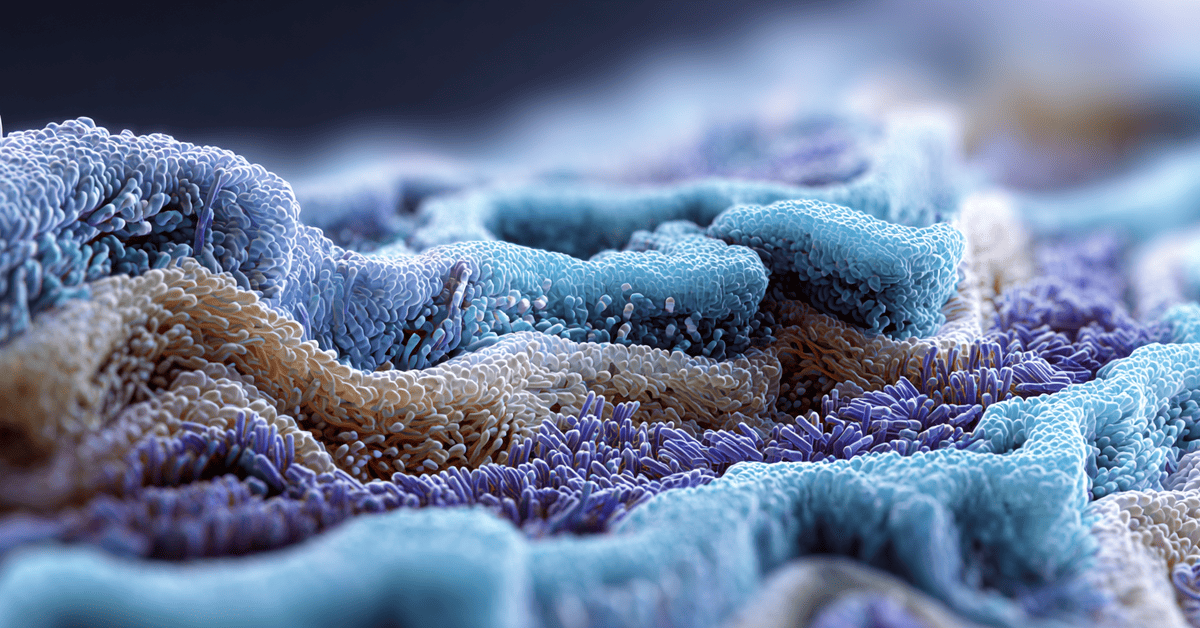
Why mitochondria is called the powerhouse of the cell becomes crystal clear when you consider the numbers. A single glucose molecule yields approximately 30-32 ATP molecules through mitochondria processing, compared to just 2 ATP through alternative pathways². This efficiency makes this organelle indispensable for life as we know it!
Your brain alone consumes roughly 20 percent of your body’s total energy despite representing only 2 percent of body weight. Without properly functioning of this organelle, cognitive function, memory, and mental clarity would deteriorate rapidly. Similarly, your heart beats roughly 100,000 times daily, an impossible feat without robust mitochondria support.
They also regulate calcium signalling, influence cell death pathways, and participate in generating heat to maintain body temperature. They’re involved in synthesising certain hormones and play roles in immune responses.
Key Takeaways: Mitochondria produce 15-16 times more ATP than alternative pathways. They support high-energy organs like the brain and heart.
How Mitochondrial Function Impacts Daily Life
Mitochondrial health influences virtually every aspect of your wellbeing. Poor functioning manifests in ways you might not immediately connect to cellular energy production.
Your energy levels throughout the day depend heavily on mitochondrial efficiency. That mid-afternoon slump or morning grogginess often reflects suboptimal mitochondria performance rather than simple tiredness. When this organelle function optimally, you experience sustained energy, better focus, and improved physical performance.
Exercise capacity directly correlates with mitochondrial health. Well-functioning mitochondria allow muscles to work harder and longer whilst recovering more quickly. This is why athletes and fitness enthusiasts increasingly focus on its optimisation strategies.
Aging research increasingly centres on mitochondrial function. As these organelles become less efficient with age, cellular energy production declines, contributing to many age-related changes. Supporting mitochondrial health may help maintain vitality and resilience as years progress.
Mental health also connects to mitochondrial function. Brain cells require enormous energy, and their dysfunction has been linked to mood disorders, brain fog, and cognitive decline. Protecting these cellular powerhouses supports mental clarity and emotional balance.
Key Takeaways: Mitochondrial health directly affects daily energy levels. Exercise performance depends on this organelle’s efficiency. Brain function requires robust mitochondria support.
Signs Your Mitochondria Need Support
Several common symptoms suggest mitochondrial function might be compromised:
- Persistent fatigue: Feeling exhausted despite adequate sleep often indicates energy production problems at the cellular level.
- Exercise intolerance: Difficulty recovering from workouts or unusual muscle fatigue may reflect mitochondria stress.
- Brain fog: Mental cloudiness, poor concentration, and memory issues can signal insufficient brain cell energy.
- Unexplained muscle weakness: When muscles feel weak without obvious cause, mitochondria function deserves investigation.
- Premature aging signs: Accelerated aging sometimes reflects accumulating mitochondria damage over time.
A mitochondrial health test can provide valuable insights into how well these organelles function. These assessments like the mescreen™ Mitochondrial Function Assessment typically measure markers of oxidative stress, energy metabolism, and cellular function. Working with a niche health consultant offers personalised guidance for interpreting results and developing targeted support strategies.
Key Takeaways: Chronic fatigue often indicates mitochondrial dysfunction. Professional testing provides objective mitochondrial health measures.
Practical Ways to Boost Mitochondrial Health

Simple lifestyle modifications can significantly enhance these cellular powerhouses:
- Regular exercise: Both aerobic exercise and strength training stimulate mitochondrial biogenesis, creating new, healthy mitochondria.
- Intermittent fasting: Periodic fasting triggers cellular cleanup processes that remove damaged mitochondria and promote new growth.
- Quality sleep: Deep sleep facilitates mitochondria repair and regeneration, making consistent sleep schedules crucial.
- Cold exposure: Brief cold exposure activates brown fat mitochondria and may enhance overall mitochondria function.
- Stress management: Chronic stress damages mitochondria through oxidative stress, making relaxation practices essential.
Nutrients like CoQ10, B vitamins, magnesium, and omega-3 fatty acids provide building blocks and cofactors for mitochondrial function. Antioxidant-rich foods protect mitochondria from oxidative damage that accumulates during energy production.
Minimising toxin exposure also matters. Environmental pollutants, certain medications, and excessive alcohol can impair mitochondrial function. Choosing organic foods when possible, filtering water, and avoiding unnecessary chemical exposures supports long-term mitochondria health.
Key Takeaways: Exercise creates new mitochondria through biogenesis. Lifestyle factors significantly impact mitochondrial health. Nutrition and toxin avoidance support optimal function.
FAQs
Foods high in refined sugars, trans fats, and processed foods can negatively affect mitochondrial health.
Symptoms of poor mitochondrial function include fatigue, muscle weakness, and neurological issues.
References
- Alberts, B. (2002). The Mitochondrion. In Molecular Biology of the Cell (4th ed.). Garland Science. https://www.ncbi.nlm.nih.gov/books/NBK26894/
- 2024, February 16. 8.7: Energy yield by complete oxidation of glucose. In Metabolism of carbohydrates. LibreTexts. https://chem.libretexts.org/Courses/Brevard_College/CHE_301_Biochemistry/08%3A_Metabolism_of_carbohydrates/8.07%3A_Energy_yield_by_complete_oxidation_of_glucose