
Decode Your Mitochondria DNA and Genetics: Complete Guide
When we think about genetics, most of us picture the DNA nestled within the nucleus of our cells. However, there’s another remarkable type of genetic material that plays a crucial role in our health and wellbeing: the “Mitochondrial DNA”, often abbreviated as mtDNA. This fascinating molecule exists outside the cell nucleus, residing within tiny powerhouses called the Mitochondria.
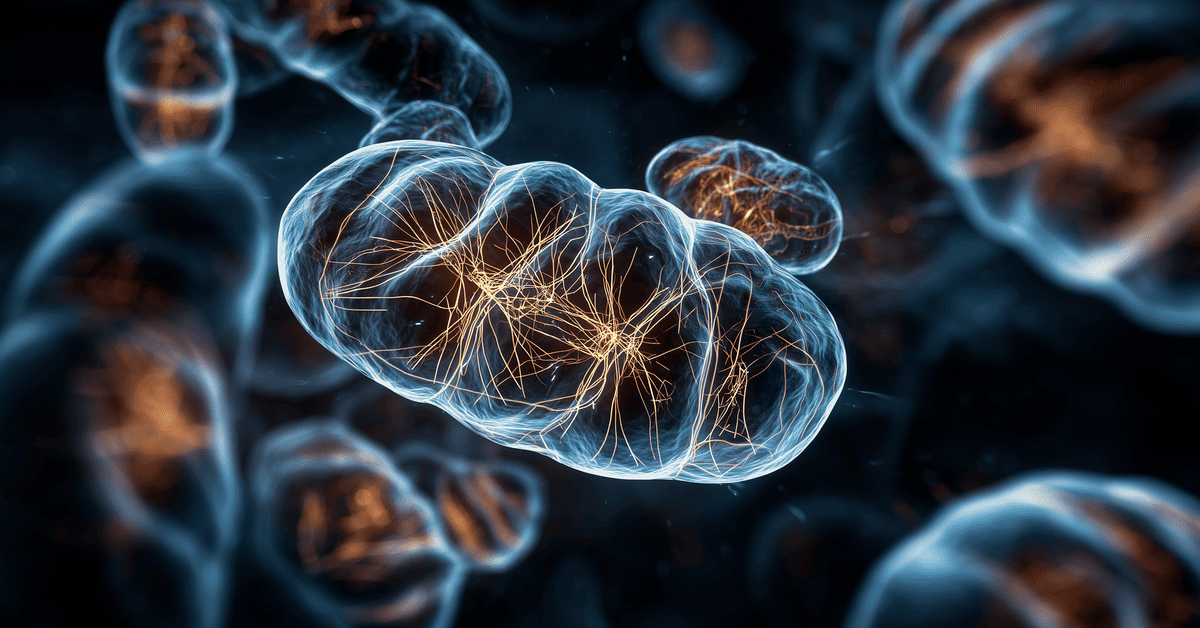
Mitochondria are extraordinary organelles found in nearly every cell of your body. They’re often described as the “batteries” of our cells because they generate the energy we need to function. Each cell contains hundreds to thousands of these microscopic structures, and each mitochondrion houses multiple copies of mitochondrial DNA.
Unlike the nuclear DNA you inherit from both parents, mitochondrial DNA is remarkably compact. It contains just 37 genes, compared to the approximately 20,000 genes in your nuclear DNA. Despite its small size, this genetic material is absolutely essential for life. These 37 genes encode instructions for producing proteins that are vital for energy production through a process called “Oxidative Phosphorylation”.
What makes this DNA particularly interesting is also its unique structure! It’s circular, resembling bacterial DNA, which supports the scientific theory that mitochondria were once independent bacteria that formed a symbiotic relationship with our cells billions of years ago. This ancient partnership has become so integral to life that we simply cannot survive without properly functioning mitochondria.
The genes within your mitochondria DNA work tirelessly to help convert the food you eat into “Adenosine Triphosphate” (ATP), the energy currency your cells use to power everything from muscle contractions to brain function. When these genes function optimally, you feel energised and healthy. When they don’t, the consequences can range from mild fatigue to serious health conditions.
How is Mitochondrial DNA Inherited and Its Genetic Implications
One of the most fascinating aspects of Mitochondria DNA is its unique inheritance pattern, which differs dramatically from the genetic material in your cell nucleus. Understanding this pattern is crucial for appreciating how certain health conditions pass through families.
This DNA follows a strictly maternal inheritance pattern. This means you inherit all your mitochondria DNA exclusively from your mother. When an egg cell is fertilised, it contributes not only nuclear DNA but also all the mitochondria to the developing embryo. The sperm cell, whilst contributing nuclear DNA, contributes virtually no mitochondria to the offspring.
This maternal-only inheritance creates an unbroken maternal line stretching back through generations. Your mitochondrial DNA is identical to your mother’s, which was identical to her mother’s, and so on. This unique inheritance pattern has proven invaluable for evolutionary biologists and genealogists tracing maternal ancestral lines across thousands of years.
The genetic implications of this inheritance pattern are significant. If a woman carries a mitochondrial DNA mutation, she will pass it to all her children, regardless of their sex. However, only her daughters will pass it on to the next generation. Sons with mitochondria mutations cannot transmit them to their offspring because sperm mitochondria are typically destroyed after fertilisation.
This inheritance pattern also means that any conditions affect entire maternal lineages. If your maternal aunt has a mitochondria disorder, your mother might be a carrier, and you could potentially be affected or carry the mutation yourself. This makes family health history on your mother’s side particularly important when assessing disease risk.
Another intriguing aspect is heteroplasmy, where cells contain a mixture of normal and mutated mitochondrial DNA. Because each cell contains hundreds of mitochondria, and each mitochondrion contains multiple DNA copies, you can have varying proportions of mutated mtDNA in different tissues. This can lead to variable symptoms even within the same family, as the percentage of mutated mtDNA can differ between individuals and even between tissues within the same person.
Mitochondrial Genetics and Its Role in Health and Disease
Mitochondrial genetics profoundly influences your overall health and wellbeing in ways that scientists are only beginning to fully understand. The proper functioning of mitochondria genes is essential for maintaining cellular energy levels, regulating metabolism, and supporting numerous physiological processes throughout your body.
The energy production capability of your mitochondria directly affects organs and tissues with high energy demands. Your brain, heart, muscles, and liver require enormous amounts of ATP to function properly. When mitochondrial genetics are compromised, these energy-intensive organs are typically the first to show symptoms. This is why mitochondria disorders often present with neurological problems, muscle weakness, cardiac issues, or metabolic disturbances.
Beyond energy production, this DNA plays crucial roles in other cellular processes. These include regulating calcium signalling, controlling cell death (apoptosis), generating heat, and managing oxidative stress. The mitochondria in your cells are constantly communicating with nuclear DNA, creating a complex dialogue that influences everything from inflammation to aging.
Research has revealed that mitochondria function declines naturally as we age. This decline contributes to many age-related conditions, including neurodegenerative diseases, cardiovascular problems, and reduced physical stamina. The accumulation of mutations in this DNA over time, combined with decreased efficiency of mitochondria quality control mechanisms, means our cellular powerhouses gradually lose their effectiveness.
Your lifestyle choices significantly impact mitochondrial health. Regular exercise, particularly aerobic activity, stimulates the production of new mitochondria through a process called mitochondrial biogenesis. Conversely, sedentary behaviour, poor nutrition, chronic stress, and exposure to environmental toxins can impair mitochondrial function and accelerate the accumulation of mtDNA damage.
Nutrition plays a particularly important role in supporting mitochondrial genetics. Certain nutrients, including B vitamins, coenzyme Q10, L-carnitine, alpha-lipoic acid, and magnesium, are essential cofactors for the enzymes encoded by mitochondrial DNA. Ensuring adequate intake of these nutrients through diet or supplementation can support optimal mitochondria function and energy production.
The Connection Between Mitochondrial DNA Mutations and Health Conditions
Mutations in mitochondrial DNA can lead to a diverse spectrum of health conditions, ranging from mild to severe. Understanding these connections helps wellness enthusiasts appreciate the importance of mitochondria health and recognise potential warning signs.
Primary diseases are caused by inherited mutations in either mitochondrial DNA or nuclear genes that affect mitochondria function. These conditions are relatively rare, affecting approximately one in 5,000 people, but they can be devastating. Common diseases include mitochondrial encephalomyopathy, lactic acidosis, and stroke-like episodes (MELAS), myoclonic epilepsy with ragged-red fibres (MERRF), and Leber’s hereditary optic neuropathy (LHON).
The symptoms of mitochondrial disorders are incredibly varied because they can affect any organ system. Typical manifestations include muscle weakness and pain, exercise intolerance, neurological problems such as seizures or migraines, vision and hearing loss, heart problems, diabetes, and gastrointestinal issues. The combination and severity of symptoms depend on which tissues have the highest proportion of mutated mitochondrial DNA.
Beyond their primary disease types, research increasingly suggests that mitochondrial dysfunction contributes to many common health conditions. Neurodegenerative diseases like Parkinson’s and Alzheimer’s show clear evidence of impaired mitochondrial function. Similarly, conditions including type 2 diabetes, cardiovascular disease, and certain cancers have been linked to mitochondria dysfunction.
Chronic fatigue syndrome and fibromyalgia, conditions that significantly impact quality of life, may also involve mitochondrial components. Many patients with these conditions show evidence of impaired cellular energy production, though the exact mechanisms remain under investigation. This has led to growing interest in mitochondrial support as part of comprehensive treatment approaches.
Environmental factors can also damage the DNA, creating acquired mutations. Certain medications, particularly some antibiotics and chemotherapy drugs, can harm mitochondria. Exposure to toxins, excessive alcohol consumption, and chronic inflammation may also compromise mitochondrial integrity and function over time.
The threshold effect is an important concept in mitochondrial genetics. Cells can typically tolerate a certain percentage of mutated mtDNA before symptoms appear. This threshold varies by tissue type, with energy-intensive tissues having lower thresholds. This explains why symptoms may not appear until middle age, even when mutations have been present since birth, as the proportion of mutated mtDNA gradually increases over time.
Mitochondrial DNA Testing: Unlocking Genetic Insights for Wellness

Mitochondrial DNA testing has emerged as a powerful tool for understanding your genetic health, ancestry, and disease risk. For wellness enthusiasts, these tests offer valuable insights that can inform personalised health strategies.
There are several types of mitochondrial DNA tests available. Diagnostic testing is performed when mitochondrial disease is suspected based on symptoms. This comprehensive analysis examines the entire mitochondria genome, looking for known disease-causing mutations. These tests are typically ordered by healthcare providers.
Direct-to-consumer ancestry tests often include mitochondrial DNA analysis. These tests trace your maternal lineage, revealing your maternal haplogroup and ancestral migration patterns. Whilst not primarily health-focused, they provide fascinating insights into your deep maternal ancestry stretching back thousands of years.
Carrier screening for mutations is increasingly available for prospective parents, particularly when there’s a family history of mitochondrial disease. This testing can identify whether someone carries mutations that might be passed to children, allowing for informed family planning decisions.
Research-grade mitochondrial testing is becoming more sophisticated. Some functional medicine practitioners offer tests that assess mitochondria function indirectly through metabolic markers, organic acids, or measurements of ATP production. Whilst these don’t sequence your mtDNA directly, they can reveal how well your mitochondria are performing.
The benefits of testing extend beyond disease diagnosis. Understanding your mitochondrial genetics can help you make more informed decisions about nutrition, exercise, and lifestyle interventions to support optimal mitochondrial function. If you discover you carry certain mitochondrial variants, you might choose to prioritise specific nutrients or avoid particular environmental exposures.
However, it’s important to approach testing with realistic expectations. Not all mitochondrial DNA variants have clear health implications. A genetic counsellor or knowledgeable healthcare provider can help interpret results within the context of your overall health and family history.
For those interested in optimising wellness, mitochondrial testing might reveal opportunities for targeted interventions. If your results suggest impaired function, your healthcare team might recommend specific supplements, dietary modifications, or exercise protocols designed to support mitochondria health.
Privacy considerations are important when pursuing genetic testing. Understand how your data will be stored, whether it will be shared with researchers or third parties, and what protections are in place. Many direct-to-consumer testing companies have different policies regarding data sharing and storage.
The future of mitochondrial DNA testing looks promising. Advances in technology are making testing more accessible and affordable. Research continues to uncover new connections between mitochondrial variants and health outcomes, meaning today’s test results may yield even more insights as scientific understanding expands.
Conclusion
Understanding mitochondrial DNA and genetics empowers you to take proactive steps towards optimal health. Whether through testing, targeted nutrition, appropriate exercise, or stress management, supporting your mitochondria’s health is an investment in your long-term wellbeing. As research in this field continues to advance, the connection between mitochondrial genetics and wellness will only become clearer, offering new opportunities for personalised health strategies.