
The Truth About Plastic Food Packaging and Your Mitochondria
Reviewed & Edited by: Dr. Dooa Arif, Content Strategist
Estimated Reading Time: 7 minutes
Table of Contents
TL;DR
The truth about plastic food packaging and its impact on mitochondrial health is often overlooked, but it’s crucial to understand the hidden dangers it poses to your cells. The chemicals leached from these containers, bags, and lids, especially under heat or wear, disrupt mitochondrial function and contribute to long-term health issues like fatigue, brain fog, and accelerated aging. By making simple, informed switches to alternatives like glass, stainless steel, and silicone, you can protect your mitochondria and overall health while reducing your exposure to harmful toxins. Taking these small steps not only benefits your cells but also helps reduce the environmental burden of plastic waste.
Your mitochondria are not just energy factories – they are exquisitely sensitive detectors of their chemical environment. These tiny structures inside almost every cell of your body are responsible for converting nutrients into usable energy, regulating cellular repair, and even influencing how well you sleep, think, and age.
What makes them particularly vulnerable is the fact that mitochondrial membranes are made largely of lipids – fats that readily absorb fat-soluble compounds. This means that certain chemicals found in plastic packaging don’t just pass through your body harmlessly. They can embed themselves into mitochondrial membranes, disrupting the very machinery that keeps you energised and healthy.
The concerning part? Mitochondrial disruption rarely announces itself loudly. It tends to show up as persistent fatigue, brain fog, poor exercise recovery, and a general sense of running on empty – symptoms many people chalk up to stress or aging.
What Plastic Packaging Actually Releases Into Your Food
Plastic packaging is not an inert, stable material. Under heat, UV exposure, mechanical stress, and even just time, plastics leach chemicals into whatever they’re in contact with – including your food.
The key offenders include plasticisers (used to make plastics flexible), stabilisers, and residual monomers. These compounds are known endocrine disruptors, meaning they mimic or interfere with your body’s natural hormones. Since hormones and mitochondrial function are deeply intertwined – thyroid hormones, for instance, directly regulate how mitochondria produce energy – disrupting this hormonal signalling has downstream consequences for cellular health.
What’s particularly unsettling is that the leaching is accelerated by:
- Heating food in plastic containers
- Storing acidic or fatty foods in plastic
- Reusing single-use plastic container disposable packaging
- Leaving plastic bags zip-sealed with food in warm environments
- Washing plastic containers repeatedly in hot dishwashers
Key Takeaway: Plastics leach chemicals more readily under heat, acidity, and mechanical wear.
The "Lid" Problem Nobody Talks About
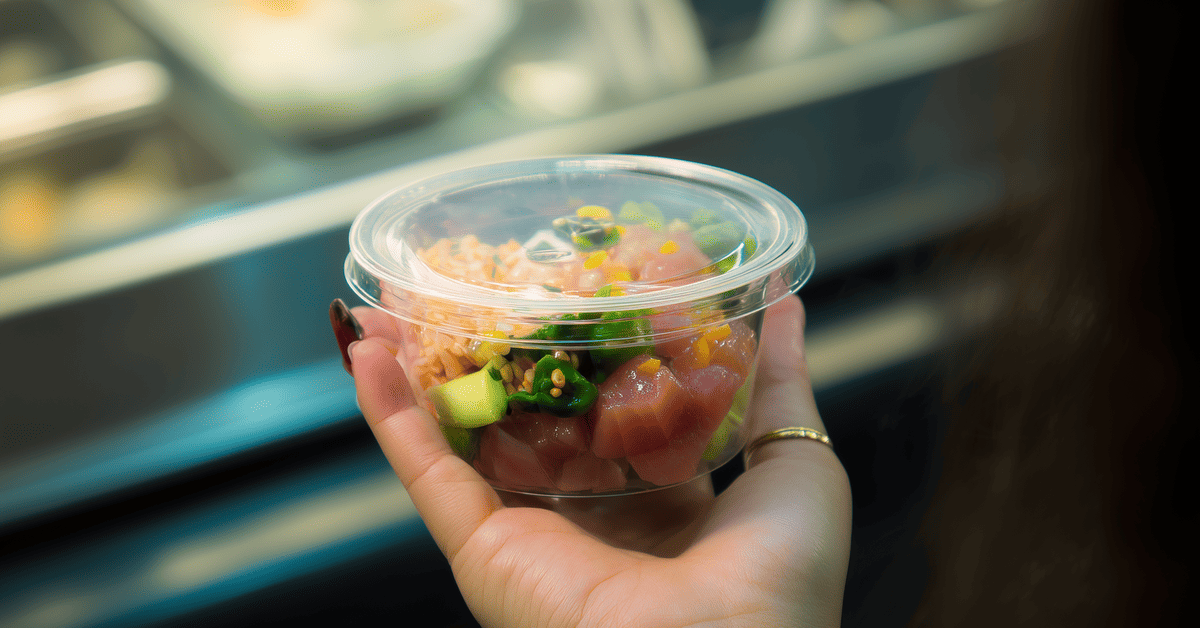
If you’ve ever popped a plastic container lid on a steaming bowl of leftovers, you’ve likely given very little thought to what’s happening chemically in that moment. Lids, particularly those made from softer, more flexible plastics, tend to contain higher concentrations of plasticisers to maintain their grip and seal.
Steam condensing against a warm plastic container lid and dripping back into your food is one of the most direct routes for chemical transfer. This is especially true with fatty foods like soups, curries, and meat dishes – where fat-soluble compounds dissolve more readily and carry chemicals straight into your meal.
Switching to glass, stainless steel, or silicone lids is one of the simplest yet most impactful changes you can make for your mitochondrial health.
Key Takeaways: Flexible plastic lids contain higher concentrations of plasticisers. Steam and condensation accelerate chemical transfer from lid to food.
How Plastic Bags Zip Up Your Cellular Energy
The humble zip varieties – used for sandwiches, snacks, marinating meats, and freezing portions – deserves more scrutiny than it typically receives. These bags are thin, flexible, and in near-constant contact with food.
When food is stored in zip-lock bags, particularly fatty or acidic items, chemical migration occurs continuously. Freezing slows this process, but it doesn’t eliminate it. And when people use these bags for warm food or sous-vide cooking, the exposure increases significantly.
From a mitochondrial perspective, chronic low-level exposure to these leached compounds contributes to what researchers describe as mitochondrial stress – a state where the organelles are working harder to maintain function whilst simultaneously dealing with chemical interference. Over time, this erodes cellular resilience and accelerates the aging process at the cellular level.
Key Takeaway: Zip-lock bags allow continuous chemical migration, especially with fatty or acidic foods.
Takeaways And The Hidden Daily Exposure
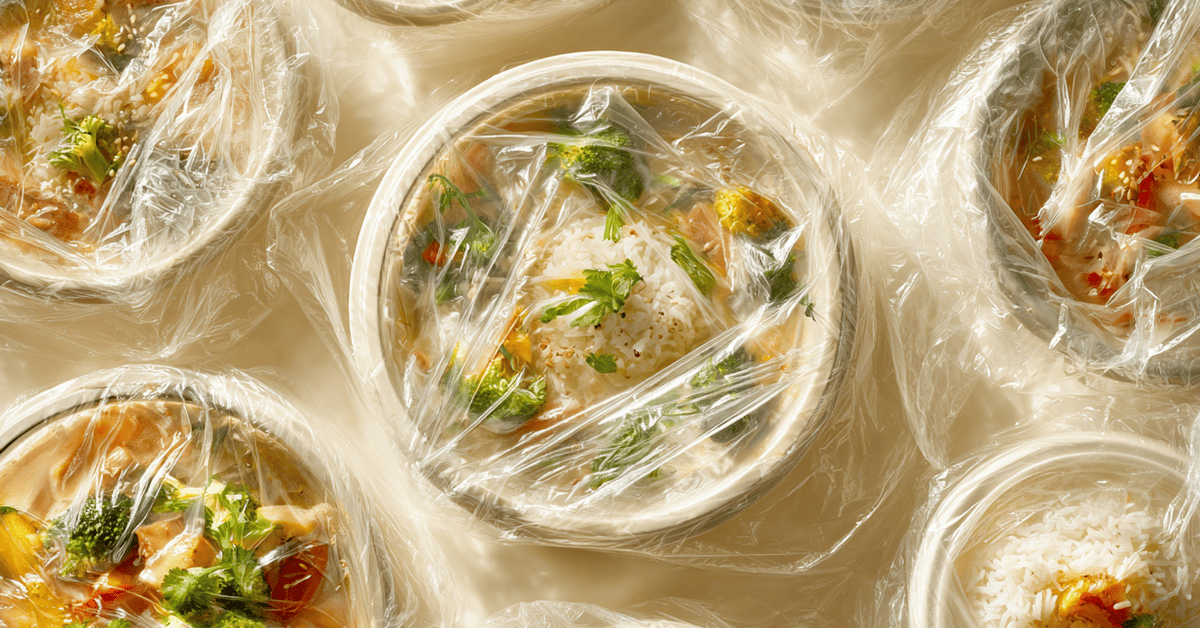
For many people, plastic food containers – “the takeaway culture” – represents one of the most significant – and overlooked – sources of daily plastic chemical exposure. Whether it’s your weekday lunch order, a weekend curry, or a meal-prepped portion from the fridge, disposable and reused plastic containers are a near-constant presence.
The issue with plastic container disposable packaging used by restaurants and cafés is that it is designed for a single use under controlled conditions, yet it routinely ends up reheated in microwaves, stacked in fridges, and used multiple times at home. Each of these uses degrades the plastic further and increases leaching.
Your mitochondria, tasked with processing the very food that arrives in these containers, are among the first to feel the chemical consequences!
Key Takeaway: Takeaway containers are frequently misused beyond their intended single-use design. Reheating and repeated use of disposable containers accelerates chemical degradation.
Switching to Alternatives That Actually Work
The good news is that plastic packaging alternatives have never been more accessible, practical, or affordable. Making the switch doesn’t require an overhaul of your lifestyle – it requires a few deliberate choices.
The best alternatives to conventional plastic include glass containers with silicone-sealed lids, stainless steel tiffin-style boxes, beeswax wraps for shorter-term storage, and compostable or plant-based packaging where disposables are unavoidable.
When choosing alternatives, prioritise:
- Glass or borosilicate containers for hot and fatty foods
- Stainless steel bottles and lunchboxes for daily use
- Silicone zip bags as a reusable swap for plastic bags zip
- Unbleached parchment or beeswax wraps for wrapping foods
- Certified compostable containers when disposable options are necessary
These swaps protect not only your mitochondria but also reduce the broader environmental load of pollution – a win for your cells and the planet alike.
Key Takeaway: Glass, stainless steel, and silicone are the gold-standard alternatives.
FAQs
Plastic food containers may leach harmful chemicals like BPA and phthalates into food, potentially disrupting hormones and increasing the risk of health issues such as cancer and reproductive problems.
Bisphenol A (BPA) disrupts mitochondrial function in human intestinal cells by increasing oxidative stress, impairing energy production, and damaging mitochondrial membranes, which can lead to cellular dysfunction and inflammation.