
Hair Dye Dangers: The Mitochondria Link No One Talks About
Home » Blog » Mitochondrial Dysfunction » Hair Dye and Mitochondria
Reviewed & Edited by: Dr. Dooa Arif, Content Strategist
Estimated Reading Time: 7 minutes
Table of Contents
TL;DR
Hair dyeing, a common beauty ritual, carries hidden risks that go far beyond the visible side effects like scalp irritation or hair damage. The chemicals in hair dyes, particularly permanent ones, generate oxidative stress that can harm both nuclear and mitochondrial DNA in hair follicle cells. This stress compromises mitochondrial function, impairing energy production and cellular repair, which accelerates aging at a cellular level. While the occasional dyeing session might not cause significant damage, repeated exposure over the years can have cumulative effects on mitochondrial health.
Hair colouring is one of the most popular cosmetic rituals in the world. People reach for the box or sit in the salon chair without a second thought – it’s routine, it’s fashionable, and it feels transformative. But beneath that glossy colour, a quiet conversation is happening inside your cells that most people never hear about.
The truth is, what goes onto your scalp doesn’t stay on your scalp. The skin on your head is highly absorbent, and chemical compounds in dyes can make their way into your bloodstream relatively quickly. Once inside the body, these substances can interact with biological systems in ways that go far beyond the surface.
One of the most overlooked systems they may affect? Your mitochondria – the tiny organelles responsible for producing the energy that powers every cell in your body.
What Are Hair Dye Types and What's Actually in Them?
Understanding the varied types is the first step to making more informed choices. Broadly speaking, dyes fall into three categories: permanent, semi-permanent, and temporary.
- Permanent dyes use strong chemicals like hydrogen peroxide and ammonia to open the hair shaft and deposit lasting colour
- Semi-permanent dyes don’t use peroxide in the same concentration but still contain synthetic compounds
- Temporary options coat the outside of the hair strand without penetrating deeply
- Natural or plant-based dyes such as henna use botanical compounds with a very different chemical profile
- Oxidative dyes are the most commonly used and contain the highest concentration of reactive chemicals
Permanent and semi-permanent dyes frequently contain compounds such as para-phenylenediamine (PPD), resorcinol, and various fragrance chemicals. These are the ingredients that have drawn increasing attention from researchers interested in cellular health.
Key Takeaways: Permanent oxidative dyes carry the highest load of reactive compounds that may enter the bloodstream.
The Side Effects: Going Beyond Skin Deep
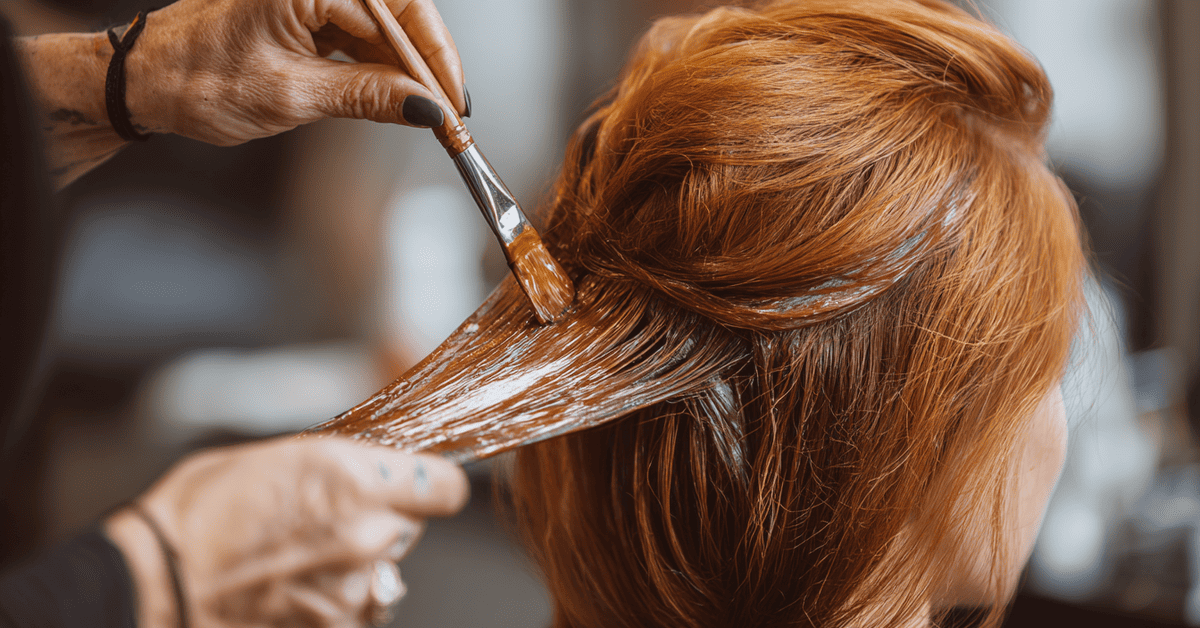
Most people associate hair dye side effects with contact dermatitis, scalp irritation, or the occasional allergic reaction. These are real and worth taking seriously. But research is beginning to suggest that the impact may reach deeper into the body’s systems.
When reactive chemicals are absorbed through the scalp, the liver and kidneys work to process and eliminate them. During this process, something called oxidative stress can occur – an imbalance between free radicals and the body’s ability to neutralise them. And where does oxidative stress do some of its most significant damage? Inside the mitochondria¹.
Key Takeaway: The side effects extend beyond the scalp and may trigger systemic oxidative stress. The liver and kidneys bear the burden of processing absorbed dye chemicals.
The Mitochondria Connection: Your Cells Under Chemical Stress
Think of your mitochondria as tiny rechargeable batteries inside each of your cells. They convert nutrients from food into Adenosine Triphosphate (ATP) – the currency of energy your body uses for everything from breathing to thinking to healing. When mitochondria are functioning well, you feel it: good energy, clear thinking, resilience.
When they’re under stress, the effects ripple outward. Fatigue, brain fog, weakened immunity, and slower recovery are all associated with mitochondrial dysfunction.
Here’s the connection that rarely gets discussed: certain chemicals found in hair dyes are known to generate reactive oxygen species (ROS) – highly unstable molecules that damage cell membranes, disrupt mitochondrial function, and impair the body’s natural energy production cycle. The mitochondria, being particularly sensitive to oxidative damage, can become less efficient over time with repeated chemical exposure.
This doesn’t mean a single appointment will derail your cellular health. But for someone colouring their tresses every four to six weeks over years or decades, the cumulative exposure is worth understanding.
Key Takeaway: Repeated exposure to dye chemicals may gradually impair cellular energy production.
During Pregnancy: Why Caution Matters More
The general guidance from healthcare providers has historically been to wait until the second trimester, when the foetus is considered less vulnerable to chemical exposure.
During pregnancy, a woman’s mitochondria are working exceptionally hard – supporting her own increased energy demands, facilitating placental function, and contributing to the mitochondrial inheritance of the developing baby. Mitochondria are passed from mother to child, making maternal mitochondrial health particularly significant.
Using hair dye during pregnancy introduces additional oxidative stress at a time when the body’s cellular energy systems are already stretched. Opting for temporary or plant-based alternatives during this period is a choice many wellness-conscious individuals are making - and for good reason.
Key Takeaway: Temporary or natural dye alternatives offer a lower-risk option during this sensitive window.
Temporary Options: A Safer Path?
Temporary formulas – from colour-depositing conditioners to wash-out sprays – have come a long way in terms of pigment quality and longevity. Because they don’t rely on peroxide or ammonia to open the hair shaft, they represent a meaningfully different chemical profile.
This doesn’t make them entirely free of synthetic compounds, but the absorption potential is considerably lower. For those who colour frequently, rotating in temporary options between permanent applications can meaningfully reduce cumulative chemical exposure – and in turn, reduce the oxidative burden on your mitochondria.
Key Takeaway: Temporary products work without peroxide, reducing scalp absorption of reactive chemicals.
How to Protect Your Mitochondria Without Ditching Colour
You don’t have to abandon colouring to support your cellular health.
- Space out your colour appointments to reduce cumulative chemical exposure over time
- Choose lower-chemical formulas such as ammonia-free or PPD-free options where possible
- Boost your antioxidant intake through colourful vegetables, berries, and green tea to neutralise free radicals
- Support mitochondrial function with nutrients like CoQ10, magnesium, and B vitamins that fuel cellular energy production
- Consider scalp barriers – applying a protective oil or serum before colouring can reduce absorption of harsh chemicals
FAQs
Dyeing can cause side effects such as scalp irritation, allergic reactions, hair damage, and potential mitochondrial stress, which may affect cell function and energy production in hair follicles.
Yes, certain chemicals in dye, especially in permanent dyes, can potentially damage both nuclear DNA and mitochondrial DNA in your hair’s follicle cells by causing oxidative stress and mutagenic effects.
References
- Korbag, S., & Saleh Korbag, I. M. (2025). Hair dyeing linked to glutathione levels, oxidative stress, reactive oxygen species, changes in antioxidant genes, chemotherapy, radiation resistance, and metastasis. SPC Journal of Medical and Healthcare, 1(4), 248–261. (PDF) Hair Dyeing, Linked to Glutathione Levels, Oxidative Stress, Reactive Oxygen Species, Changes in Antioxidant Genes, Chemotherapy, Radiation Resistance, and Metastasis