
Hormonal Imbalance and Mitochondrial Dysfunction: The Hidden Link
Reviewed & Edited by: Dr. Dooa Arif, Content Strategist
Estimated Reading Time: 8 minutes
Table of Contents
TL;DR
Hormonal imbalances and mitochondrial dysfunction are deeply interconnected, influencing your body's energy production and overall vitality. When hormones are out of balance, the mitochondria - the powerhouses of our cells - struggle to generate sufficient energy, leading to fatigue and decreased mental and physical performance. Thyroid, cortisol, sex hormones, and insulin each play a distinct role in regulating mitochondrial function, with imbalances triggering a cascade of effects that impair cellular health.
Your mitochondria don’t operate in isolation – they respond constantly to hormonal signals throughout your body. These tiny organelles contain receptors for numerous hormones types, allowing them to adjust energy production based on your body’s needs. When hormone production remains balanced, mitochondria efficiently convert nutrients into Adenosine Triphosphate (ATP), the cellular energy currency that powers everything from breathing to thinking.
The hypothalamus coordinates this entire system, acting as your body’s master controller. This almond-sized brain region sends signals that cascade through your endocrine system, ultimately reaching every mitochondrion in your body. When this communication network functions smoothly, you experience sustained energy, mental clarity, and physical vitality.
However, modern life bombards this delicate system with stressors – inadequate sleep, processed foods, environmental toxins, and chronic stress. These factors disrupt hormonal signaling, creating a ripple effect that compromises mitochondrial function. Your cellular powerhouses receive conflicting messages, reducing their efficiency and leaving you chronically exhausted despite adequate rest.
How Thyroid Hormones Control Cellular Energy
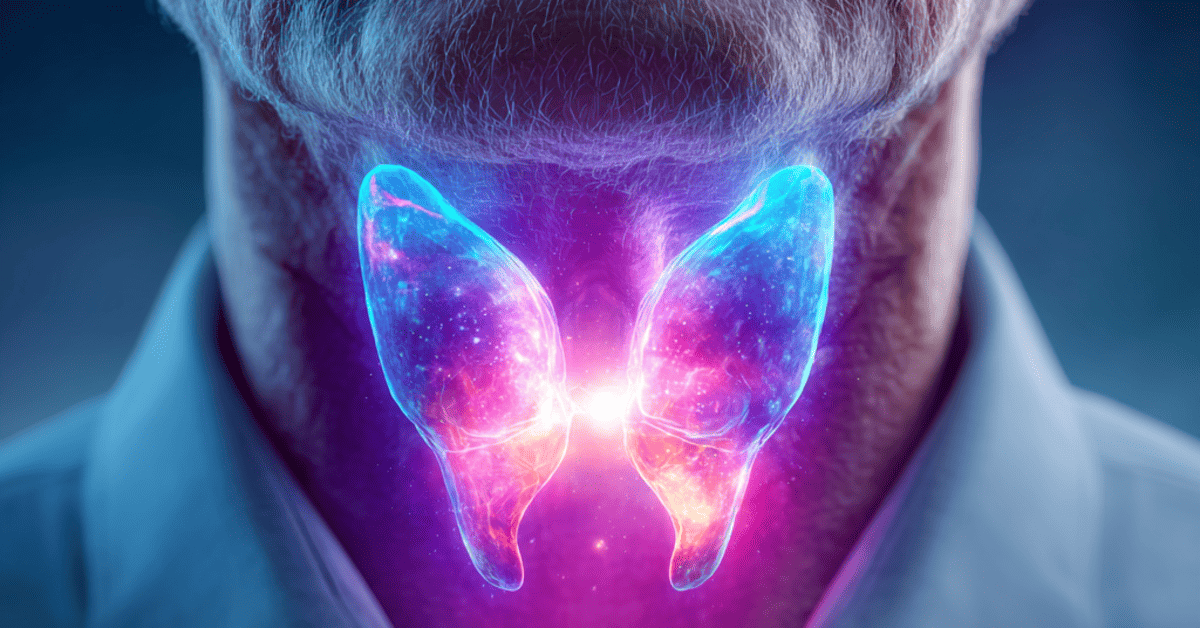
Thyroid hormones serve as your metabolism’s accelerator pedal. These hormones enter mitochondria and bind to specific receptors, directly influencing how efficiently your cells burn fuel. When thyroid function declines, mitochondria shift into lower gear, producing less ATP whilst generating more damaging free radicals¹.
This explains why hypothyroidism creates such profound fatigue – it’s not merely feeling tired, but rather a fundamental reduction in cellular energy capacity. Your mitochondria literally cannot produce enough ATP to meet your body’s demands. Tasks that previously felt effortless become exhausting because every cell operates below optimal capacity.
The connection extends beyond simple energy production. Thyroid hormones also influence mitochondrial biogenesis – the creation of new mitochondria. Insufficient thyroid hormone production means your body struggles to build replacement mitochondria, leading to a gradual decline in total mitochondrial mass. This creates a vicious cycle where low energy perpetuates itself.
Supporting Thyroid-Mitochondrial Health
- Ensure adequate selenium intake for thyroid hormone conversion
- Support iodine levels through sea vegetables or quality supplementation
- Reduce inflammatory foods that impair thyroid receptor sensitivity
- Prioritise quality sleep to support hormone production cycles
- Consider adaptogenic herbs that support thyroid-mitochondrial communication
Key Takeaway: Low thyroid function significantly reduces ATP production.
Cortisol's Double-Edged Impact on Mitochondria
Short-term cortisol surges actually enhance mitochondrial function, mobilising energy stores and sharpening mental focus during genuine emergencies. Your ancestors relied on this system to escape predators or hunt successfully.
Modern life, however, triggers chronic cortisol elevation without corresponding physical demands. Your body interprets work deadlines, relationship conflicts, and financial worries as life-threatening emergencies. Sustained high cortisol damages mitochondrial membranes, impairs calcium handling within cells, and reduces the efficiency of ATP synthesis.
The damage accumulates gradually. Initially, you might feel “wired but tired”- simultaneously anxious and exhausted. Eventually, your adrenal glands struggle to maintain cortisol production, leading to patterns of hypocortisolism where hormonal signaling becomes erratic. Your mitochondria receive inconsistent messages, never knowing whether to ramp up or conserve energy.
Key Takeaway: Chronic cortisol elevation damages mitochondrial membranes.
Sex Hormones and Mitochondrial Health

Sex hormones profoundly influence mitochondrial function, particularly hormones female systems experience throughout monthly cycles and life stages. Oestrogen acts as a mitochondrial protector, reducing oxidative stress whilst enhancing ATP production efficiency. When oestrogen levels decline during perimenopause, many women notice significant energy drops that coincide with mitochondrial stress.
Progesterone complements oestrogen’s effects by supporting mitochondrial membrane stability and reducing inflammation within cells. The cyclical nature of hormones female produces means energy naturally fluctuates throughout the month. Understanding these patterns helps distinguish normal hormonal variations from genuine mitochondrial dysfunction.
Testosterone, present in both sexes though higher in males, directly stimulates mitochondrial biogenesis. Low testosterone correlates with reduced mitochondrial density and impaired energy production. This partially explains why both men and women with low testosterone commonly report persistent fatigue regardless of other health factors.
Navigating Hormonal Transitions
Life stages like pregnancy, postpartum, and menopause create substantial mitochondrial challenges through shifting hormone production:
- Perimenopause often brings energy crashes as oestrogen fluctuates wildly
- Postpartum fatigue reflects both hormonal shifts and mitochondrial demands
- Menopause requires mitochondrial adaptation to lower oestrogen levels
- Supporting mitochondria during transitions preserves energy capacity
- Nutrient density becomes crucial during hormonal flux periods
Key Takeaways: Oestrogen protects mitochondria from oxidative damage. Testosterone supports mitochondrial biogenesis and efficiency.
The Insulin-Energy Production Link
Insulin doesn’t merely regulate blood sugar – it directly influences mitochondrial fuel processing. When insulin signaling functions properly, your mitochondria efficiently convert glucose into ATP. Insulin resistance disrupts this process, forcing mitochondria to struggle with fuel delivery whilst simultaneously dealing with excess glucose-induced oxidative stress.
This creates the familiar energy crashes associated with blood sugar imbalances. Your mitochondria receive abundant fuel but cannot process it efficiently, rather like having a flooded engine. Meanwhile, the oxidative stress from elevated glucose damages mitochondrial membranes, further reducing efficiency in a self-perpetuating decline.
Chronic insulin elevation also impairs mitochondrial fatty acid oxidation – your cells’ ability to burn fat for fuel. This metabolic inflexibility leaves you dependent on constant glucose intake, creating energy instability and persistent hunger despite adequate calorie consumption.
Key Takeaway: Insulin resistance impairs mitochondrial glucose metabolism.
Restoring Hormonal Balance for Better Mitochondria

Reversing hormone-driven mitochondrial dysfunction requires addressing root causes rather than merely treating symptoms.
- It begins with opting for a Mescreen™ Mitochondrial Function Test that helps you assess your mitochondrial health, giving you personalized recommendations based on the results to optimize your energy levels, improve cellular function, and support overall wellness.
- Sleep quality emerges as perhaps the most critical factor – hormone production peaks during deep sleep stages, and sleep deprivation rapidly disrupts multiple hormonal systems simultaneously.
- Adequate protein supports amino acid building blocks for hormones, whilst healthy fats provide cholesterol necessary for steroid hormone synthesis. Micronutrients like magnesium, B vitamins, and zinc serve as cofactors in both hormonal and mitochondrial pathways.
- Practices that activate your parasympathetic nervous system – meditation, gentle movement, nature exposure, meaningful connection – help rebalance cortisol patterns whilst supporting optimal hormonal signaling throughout your body.
Key Takeaway: Supporting hormone production requires foundational lifestyle changes.
FAQs
Common signs of hormonal imbalance include fatigue, weight gain, mood swings, irregular periods, and sleep disturbances.
To naturally fix hormonal imbalance, focus on improving sleep quality, managing stress, eating a nutrient-dense diet, exercising regularly, and incorporating hormone-supporting supplements.
References
- Sinha, R. A., Singh, B. K., Zhou, J., Wu, Y., Farah, B. L., Ohba, K., Lesmana, R., Gooding, J., Bay, B.‑H., & Yen, P. M. (2015). Thyroid hormone induction of mitochondrial activity is coupled to mitophagy via ROS‑AMPK‑ULK1 signaling. 11341–1357. https://doi.org/10.1080/15548627.2015.1061849