
Cruciferous Vegetables: Your Mitochondria’s Secret Weapon
When it comes to supporting your body’s energy production at the cellular level, few food groups pack as powerful a punch as cruciferous vegetables. These remarkable plants have emerged as champions in the world of mitochondrial health, offering compounds that directly influence how your cells generate and maintain energy. Understanding this connection opens up exciting possibilities for enhancing vitality through simple dietary choices.
The Remarkable World of Cruciferous Greens
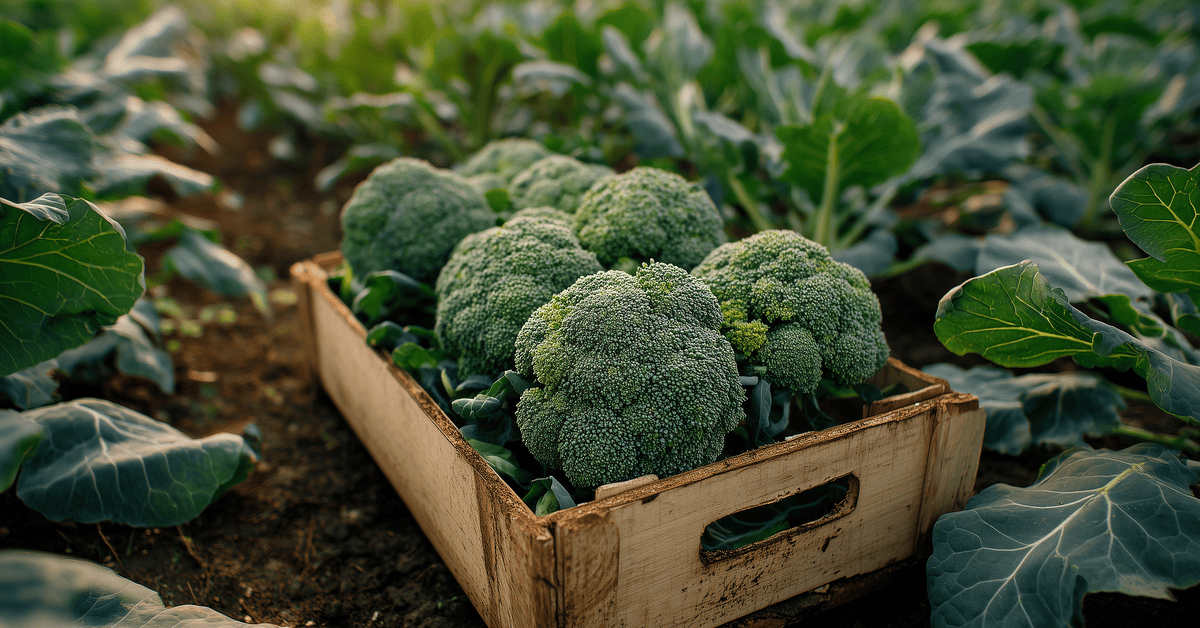
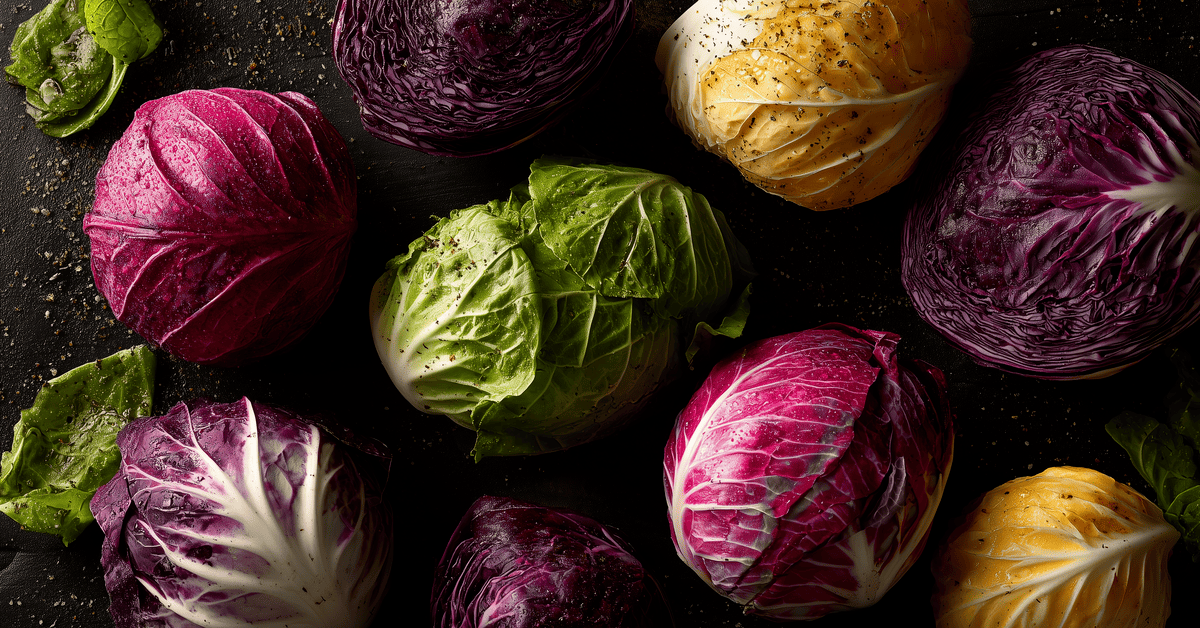
Cruciferous greens belong to the Brassicaceae family, a diverse group of vegetables that includes familiar favourites like broccoli, cauliflower, kale, Brussels sprouts, cabbage, and rocket. What sets these vegetables apart isn’t just their distinctive flavours or nutritional profiles – it’s their unique chemistry. Each bite delivers glucosinolates, specialised compounds that transform into powerful bioactive substances when you chew, preparing your body’s cellular machinery for optimal performance.
The beauty of incorporating cruciferous greens into your daily routine lies in their accessibility and versatility. Whether you’re drawn to the peppery bite of rocket, the mild sweetness of cauliflower, or the robust earthiness of Brussels sprouts, you’re gaining access to the same fundamental compounds that support mitochondrial function. These vegetables work quietly behind the scenes, influencing cellular processes that determine your energy levels, resilience, and overall wellness.
Understanding Your Cellular Power Plants
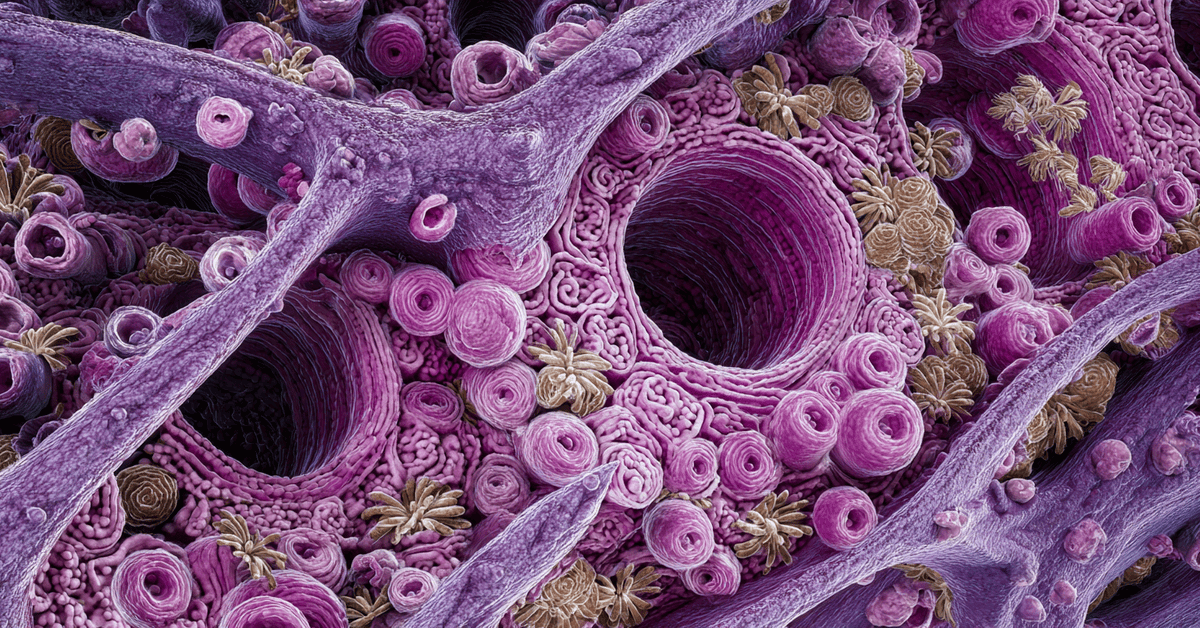
Your mitochondria function as microscopic energy factories, converting nutrients from food into Adenosine Triphosphate (ATP) – the universal energy currency your body uses for everything from thinking to moving. These remarkable organelles number in the hundreds to thousands within each cell, working tirelessly to keep you functioning optimally. When mitochondria operate efficiently, you experience sustained energy, mental clarity, and physical vitality throughout your day.
However, modern life presents numerous challenges to mitochondrial health. Oxidative stress from environmental toxins, processed foods, chronic stress, and inadequate sleep can compromise mitochondrial function over time. This decline manifests as fatigue, reduced mental sharpness, slower recovery from exercise, and decreased overall resilience. Supporting these cellular powerhouses becomes essential for maintaining wellness as we navigate contemporary lifestyle demands.
The Sulforaphane Advantage
Among the many beneficial compounds found in these vegetables, sulforaphane stands out as a mitochondrial health superstar. This potent molecule forms when the enzyme myrosinase interacts with glucoraphanin, a process that begins the moment you chew raw cruciferous veggies. Sulforaphane activates your body’s Nrf2 pathway, a master regulator of antioxidant responses that protects mitochondria from oxidative damage whilst promoting their healthy function.
Research has illuminated sulforaphane’s remarkable ability to stimulate mitochondrial biogenesis – the creation of new mitochondria within your cells. This process essentially increases your cellular energy capacity, much like adding more solar panels to power your home. Broccoli sprouts contain particularly concentrated amounts of sulforaphane precursors, making them an efficient way to maximise this beneficial compound’s intake without consuming enormous vegetable volumes.
The protective effects of sulforaphane extend beyond simple antioxidant activity. This compound helps maintain mitochondrial membrane integrity, supports efficient energy production pathways, and assists in clearing damaged mitochondrial components. By activating cellular cleanup mechanisms, sulforaphane helps ensure your mitochondrial population remains healthy and functional rather than accumulating dysfunctional units that drain cellular resources.
Building a Cruciferous Vegetables Diet

Creating a diet rich of the “cruciferous” kind doesn’t require dramatic lifestyle overhauls or restrictive eating patterns. The key lies in consistent, mindful incorporation of these powerful plants throughout your weekly meal planning. Starting with familiar varieties helps build confidence before exploring more adventurous options like kohlrabi or romanesco.
Consider these practical approaches for increasing your cruciferous vegetable intake:
- Begin each day with a green smoothie incorporating raw kale or rocket alongside fruits for palatability
- Roast cauliflower or Brussels sprouts with olive oil and herbs as a satisfying dinner side dish
- Add finely chopped broccoli to omelettes, frittatas, or scrambled eggs for a nutrient-dense breakfast
- Include raw cabbage slaw with meals to maximise glucosinolate preservation through minimal processing
- Snack on raw broccoli or cauliflower florets with hummus for convenient, nutrient-rich fuel between meals
The beauty of this approach lies in its flexibility. You’re not following rigid rules but rather creating sustainable habits that deliver consistent mitochondrial support. Variety matters too – different cruciferous edibles contain varying glucosinolate profiles, so rotating your choices ensures comprehensive benefits rather than limiting yourself to a single type.
Cruciferous Vegetables Spinach Combinations

While spinach isn’t technically a cruciferous vegetable – it belongs to the amaranth family – pairing cruciferous greens with spinach creates synergistic nutritional benefits. Spinach provides iron, magnesium, and additional antioxidants that complement the unique compounds found in cruciferous greens. This combination supports mitochondrial health from multiple angles, addressing different aspects of cellular function simultaneously.
Creating mixed green salads that incorporate both cruciferous vegetables and spinach delivers comprehensive nutrition in every bite. The iron from spinach supports oxygen transport to cells, whilst the sulforaphane from cruciferous additions protects mitochondrial membranes from oxidative damage. Magnesium from spinach plays crucial roles in energy production pathways, working alongside the mitochondrial support provided by glucosinolate-rich vegetables.
When preparing these combinations, consider including raw cruciferous options like shredded cabbage or rocket alongside lightly wilted spinach. This approach preserves heat-sensitive compounds whilst making certain nutrients more bioavailable through gentle cooking. A simple warm spinach salad topped with roasted Brussels sprouts and a tahini dressing offers both nutritional density and satisfying flavours that encourage regular consumption.
Maximising Benefits Through Preparation

How you prepare cruciferous greens significantly impacts their mitochondrial health benefits. Raw consumption preserves myrosinase enzymes essential for sulforaphane formation, making raw broccoli, cabbage, and cauliflower particularly potent choices. However, raw cruciferous vegetables aren’t always palatable or digestible for everyone, making thoughtful cooking methods important for maintaining consistent intake.
Light steaming represents an excellent middle ground, softening vegetables for easier digestion whilst preserving substantial glucosinolate content. Steaming for three to four minutes maintains enzyme activity whilst reducing the sharp, sometimes bitter flavours that discourage some people from eating these vegetables raw. Adding a small amount of mustard powder to cooked cruciferous dishes can restore myrosinase activity if cooking has deactivated it.
Fermentation offers another powerful preparation method that enhances bioavailability whilst adding probiotic benefits. Sauerkraut and kimchi – traditional fermented cabbage preparations – deliver glucosinolates alongside beneficial bacteria that support gut health. Since gut health directly influences mitochondrial function through various metabolic pathways, fermented cruciferous vegetables provide multifaceted wellness support beyond their inherent nutritional properties.
Crafting the Perfect Cruciferous Vegetables Salad
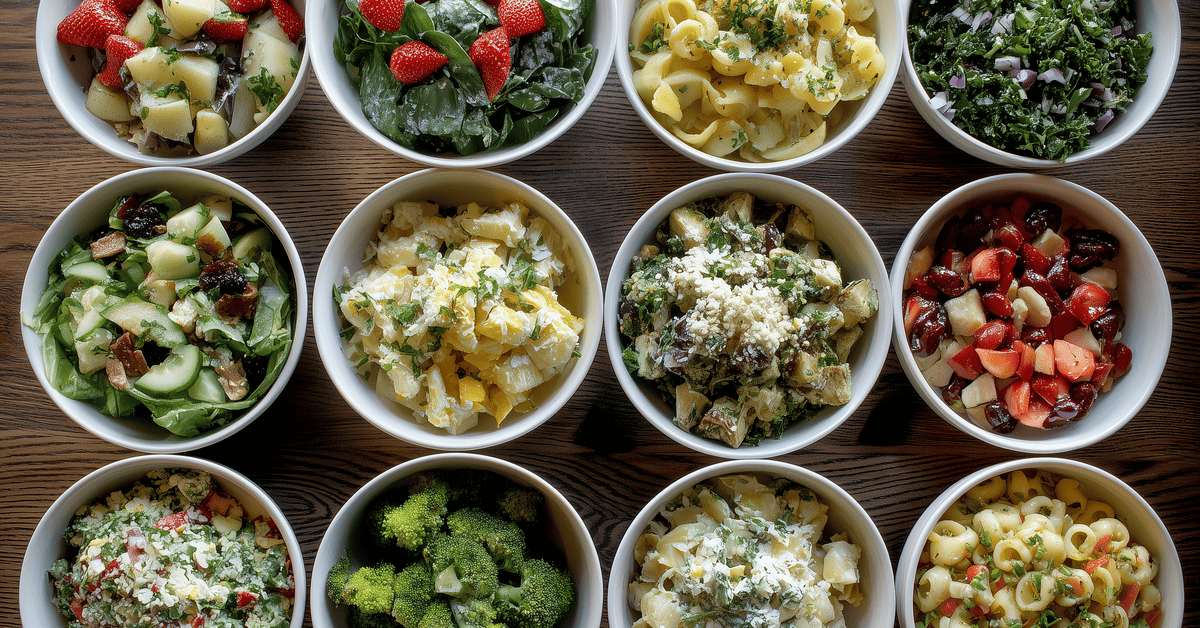
A well-constructed cruciferous green salad serves as a convenient vehicle for delivering concentrated mitochondrial support whilst satisfying your taste buds. The foundation begins with variety – combining different textures and flavours prevents monotony whilst ensuring diverse glucosinolate profiles. Shredded raw cabbage provides crunch, finely chopped kale adds substance, and peppery rocket contributes brightness.
Building layers of complementary ingredients transforms simple cruciferous salads into complete, satisfying meals. Consider these elements for creating balanced, delicious options:
- Protein sources like grilled chicken, poached eggs, or chickpeas for sustained energy and satiety
- Healthy fats from avocado, nuts, or olive oil-based dressings to enhance nutrient absorption
- Fresh herbs including parsley, coriander, or basil for additional phytonutrients and flavour complexity
- Acidic components like lemon juice or apple cider vinegar to brighten flavours whilst supporting digestion
- Warming spices such as turmeric or ginger that complement cruciferous vegetables’ earthy notes
The key to sustainable salad enjoyment lies in preventing repetition whilst maintaining nutritional excellence. Rotating your base vegetables weekly – perhaps cabbage one week, broccoli the next, then kale – keeps meals interesting whilst your body benefits from varied phytochemical profiles. Experimenting with different dressings, toppings, and preparation methods transforms the humble salad into an anticipated meal rather than a dietary obligation.
Cruciferous Vegetables Life Extension Potential

The connection between cruciferous diet and life extension has captured researchers’ attention due to these plants’ remarkable impact on cellular ageing processes. Mitochondrial dysfunction represents a hallmark of ageing, with declining mitochondrial quality and quantity contributing to many age-related conditions. By supporting mitochondrial health throughout life, cruciferous vegetables may influence not just lifespan but healthspan -the period of life spent in good health.
Studies exploring longevity-promoting dietary patterns consistently identify cruciferous vegetable consumption as a common thread among populations enjoying extended healthy lifespans. The mechanisms extend beyond simple mitochondrial support, encompassing reduced inflammation, enhanced cellular detoxification, and improved stress response pathways. These interconnected benefits create a comprehensive approach to supporting healthy aging rather than targeting single pathways in isolation.
The sulforaphane in cruciferous greens activates longevity-associated genes whilst protecting against cellular damage accumulation. This dual action – promoting beneficial processes whilst defending against harmful ones – creates conditions favouring extended healthspan. Regular consumption essentially provides your cells with tools for maintaining function despite the inevitable stresses and challenges that accumulate over time.
Practical Integration Strategies

Successfully integrating cruciferous edibles into your daily routine requires moving beyond good intentions to establish concrete habits. Meal prepping washed, chopped cruciferous vegetables on weekends removes preparation barriers that might discourage weekday consumption. Having ready-to-eat broccoli florets, shredded cabbage, or trimmed Brussels sprouts available transforms these vegetables from aspirational choices to convenient defaults.
Creating themed meal days helps ensure consistent cruciferous intake without requiring constant decision-making. Perhaps Tuesdays become roasted vegetable nights featuring different cruciferous options each week, whilst Thursdays centre around hearty salads packed with raw greens. This structure provides flexibility within a framework, making healthy choices easier through reduced cognitive load.
Starting gradually prevents overwhelm whilst allowing your palate and digestive system to adapt. If cruciferous greens currently play minimal roles in your diet, begin with one serving daily rather than attempting dramatic overnight transformations. As these vegetables become familiar and comfortable, naturally expanding consumption becomes effortless rather than forced.
Supporting Your Mitochondrial Journey
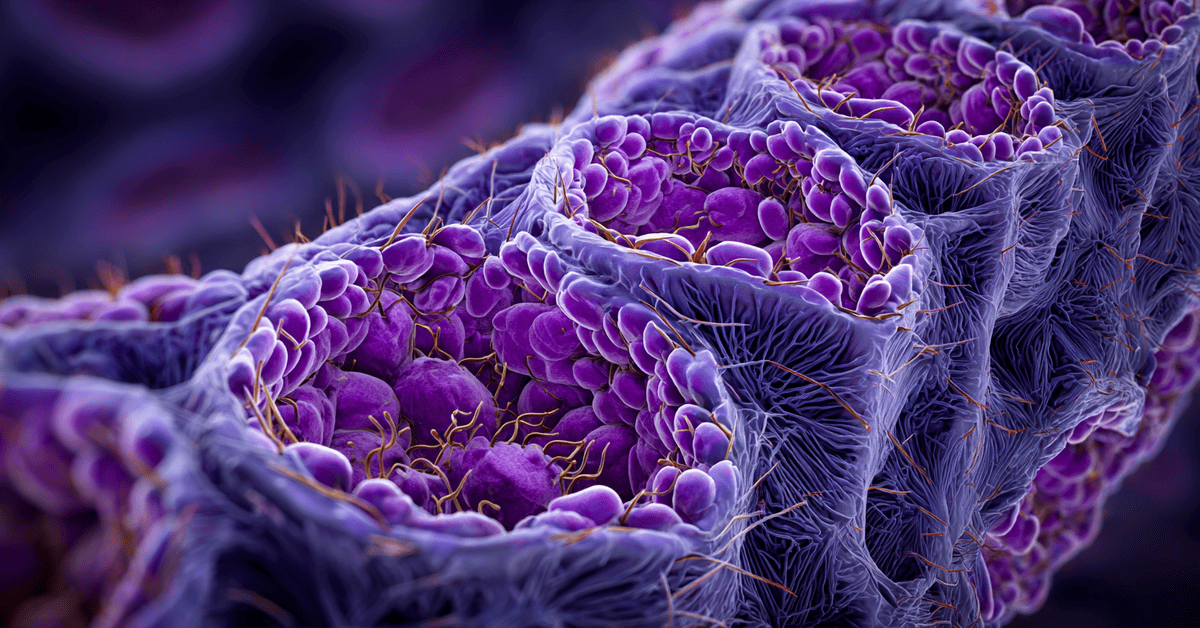
Optimising mitochondrial health through cruciferous vegetables represents just one aspect of comprehensive cellular support. Adequate sleep, regular movement, stress management, and overall dietary quality all contribute to mitochondrial function. Cruciferous diets work synergistically with these lifestyle factors, amplifying benefits when incorporated into a holistic wellness approach rather than viewed as isolated interventions.
Hydration deserves particular attention when increasing vegetable intake, as the fibre in cruciferous vegetables requires adequate fluid for optimal digestion. Drinking sufficient water throughout the day supports the cellular processes these vegetables enhance, creating conditions where mitochondria can function optimally. Think of water as the medium through which all cellular activities occur -without it, even the most beneficial compounds cannot reach their targets effectively.
Patience proves essential when making dietary changes aimed at cellular health improvements. Mitochondrial adaptations occur gradually, with noticeable energy shifts often emerging after several weeks of consistent cruciferous vegetable consumption. Trust the process, maintain consistency, and allow your body time to respond to the nutritional support you’re providing through these remarkable vegetables.
Moving Forward With Confidence
Embracing cruciferous edibles as allies in your mitochondrial health journey empowers you to take meaningful action supporting cellular vitality. These accessible, affordable, versatile plants offer profound benefits without requiring expensive supplements or complicated protocols. By simply including more broccoli, cabbage, kale, and their cruciferous relatives in your regular meals, you’re providing your mitochondria with compounds they need for optimal function.
The path forward involves experimentation, discovering which cruciferous vegetables you genuinely enjoy and which preparation methods suit your lifestyle and preferences. Some people thrive on raw salads, others prefer roasted vegetables, whilst many find success combining various approaches throughout the week. Your unique cruciferous vegetable strategy should feel sustainable and enjoyable rather than restrictive or burdensome.
Remember that every small step towards increased cruciferous vegetable consumption represents meaningful progress in supporting your mitochondrial health. Whether you’re adding rocket to sandwiches, blending kale into smoothies, or roasting cauliflower for dinner, you’re investing in your cellular energy production with every bite. These vegetables offer a delicious, natural pathway to enhanced vitality – one meal at a time.