
Why Your Mitochondria Need Cruciferous Greens
Reviewed & Edited by: Dr. Dooa Arif, Content Strategist
Estimated Reading Time: 6 minutes
Table of Contents
TL;DR
Cruciferous vegetables, such as broccoli, kale, and cabbage, are not just nutrient-packed foods but also powerful allies in supporting mitochondrial health. Their rich antioxidant profile, particularly the presence of compounds like sulforaphane, enhances the body’s ability to protect and regenerate mitochondria, which are essential for energy production. These vegetables stimulate mitochondrial biogenesis, improve cellular detoxification, and reduce oxidative damage, making them key players in maintaining vitality and reducing the risk of chronic diseases. Consuming a variety of these greens, both raw and cooked, along with healthy fats, maximizes their benefits and supports sustained mitochondrial function, offering a natural and effective approach to boosting energy levels and overall health.
Cruciferous vegetables belong to the Brassicaceae family, distinguished by their cross-shaped flowers and remarkable concentration of bioactive compounds. These vegetables contain glucosinolates, sulphur-containing molecules that break down into powerful protective substances when you chew, chop, or digest them. This unique chemical process sets cruciferous greens apart from other vegetables, creating compounds that directly influence mitochondrial health.
The sulforaphane and indole-3-carbinol produced from glucosinolates activate cellular defence pathways that protect mitochondria from oxidative damage. Think of these compounds as molecular switches that turn on your cells’ internal protection systems, enhancing their ability to neutralise harmful molecules whilst maintaining energy production efficiency.
Antioxidant Compounds in Cruciferous Greens
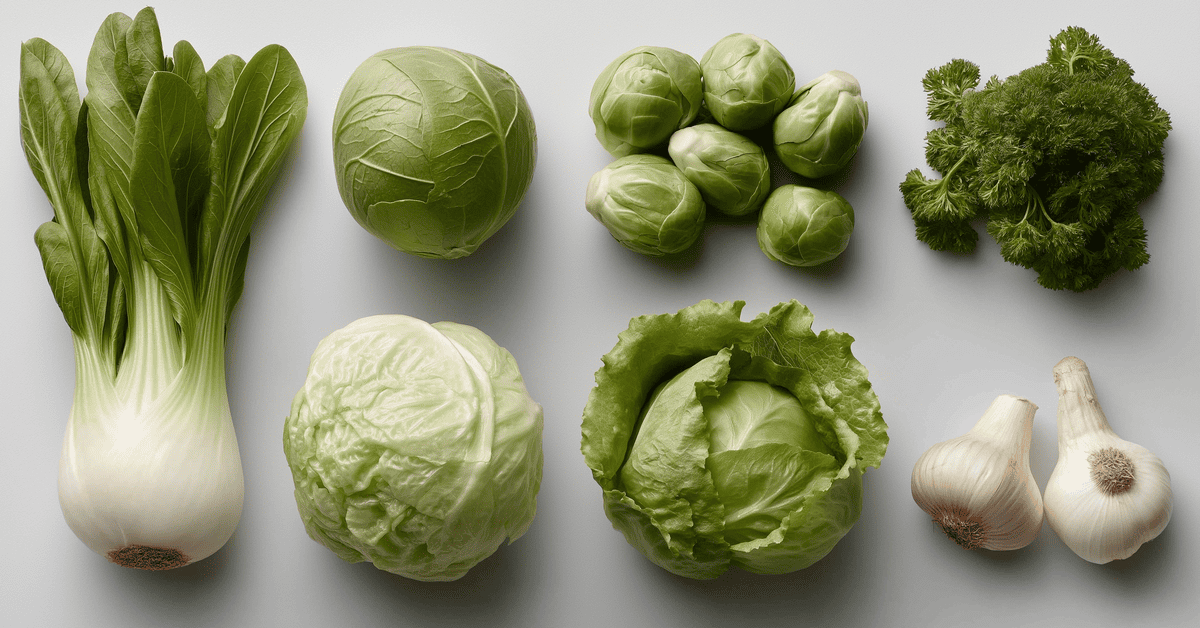
The antioxidant profile of cruciferous vegetables extends beyond common vitamins to include specialised phytochemicals that target mitochondrial protection. Sulforaphane, perhaps the most studied compound from these vegetables, triggers the production of glutathione, your cells’ master antioxidant. This indirect mechanism proves more sustainable than simply consuming antioxidants directly, as it enhances your body’s own production systems.
Cruciferous greens also provide kaempferol and quercetin, flavonoids that concentrate around mitochondrial membranes where they intercept reactive oxygen species before damage occurs. These compounds work synergistically with vitamins C, E, and K found abundantly in these vegetables, creating multiple layers of antioxidant defence.
The timing of this protection matters significantly. Mitochondria produce reactive oxygen species continuously during energy generation, requiring constant antioxidant presence. Regular cruciferous consumption maintains this protective environment, preventing the accumulated oxidative damage that impairs mitochondrial efficiency over time.
Key Takeaways: Sulforaphane boosts glutathione production, enhancing cellular antioxidant capacity. Flavonoids in cruciferous vegetables position themselves strategically near mitochondria for immediate protection. Regular consumption maintains continuous antioxidant defence during energy production.
How Cruciferous Vegetables Support Mitochondrial Function
Mitochondrial support from cruciferous vegetables operates through several complementary mechanisms.
- The compounds from these vegetables enhance mitochondrial biogenesis, the process of creating new, healthy mitochondria to replace damaged ones. This regenerative capacity proves essential for maintaining cellular energy output as you age.
- Cruciferous compounds also support mitochondrial quality control through autophagy, the cellular recycling system that removes dysfunctional mitochondria. By promoting this cleanup process, these vegetables help maintain a healthy mitochondrial population within each cell, ensuring efficient energy production continues.
- The anti-inflammatory effects of cruciferous vegetables reduce chronic inflammation that otherwise impairs mitochondrial function. Persistent inflammation disrupts the delicate environment mitochondria require, whilst the protective compounds in these greens help maintain optimal conditions for energy generation.
Key Takeaways: Cruciferous compounds stimulate the creation of new, healthy mitochondria. These vegetables enhance cellular quality control systems that remove damaged mitochondria. Anti-inflammatory effects protect the cellular environment mitochondria need to function optimally.
Broccoli Health Benefits for Cellular Energy
Broccoli stands out amongst cruciferous vegetables for its concentrated sulforaphane content, particularly in broccoli sprouts where levels reach their peak. This compound activates Nrf2, a protein that switches on genes responsible for antioxidant production and cellular protection. The broccoli health benefits extend to supporting the electron transport chain within mitochondria, where energy actually gets generated.
The vitamin K in broccoli participates in mitochondrial energy metabolism, whilst its folate content supports methylation processes that influence mitochondrial DNA health. Together, these nutrients create an environment where mitochondria can operate at peak efficiency.
Consuming broccoli regularly helps maintain mitochondrial membrane integrity, preventing the leakage that causes energy inefficiency and oxidative damage. The combination of vitamins, minerals, and unique phytochemicals makes broccoli particularly effective for supporting cellular powerhouses.
Key Takeaways: Broccoli’s sulforaphane content activates genetic pathways that enhance cellular protection. Multiple nutrients in broccoli support various aspects of mitochondrial energy production. Regular consumption maintains the structural integrity mitochondria need for efficient function.
Kale Leaves Benefits and Mitochondrial Protection
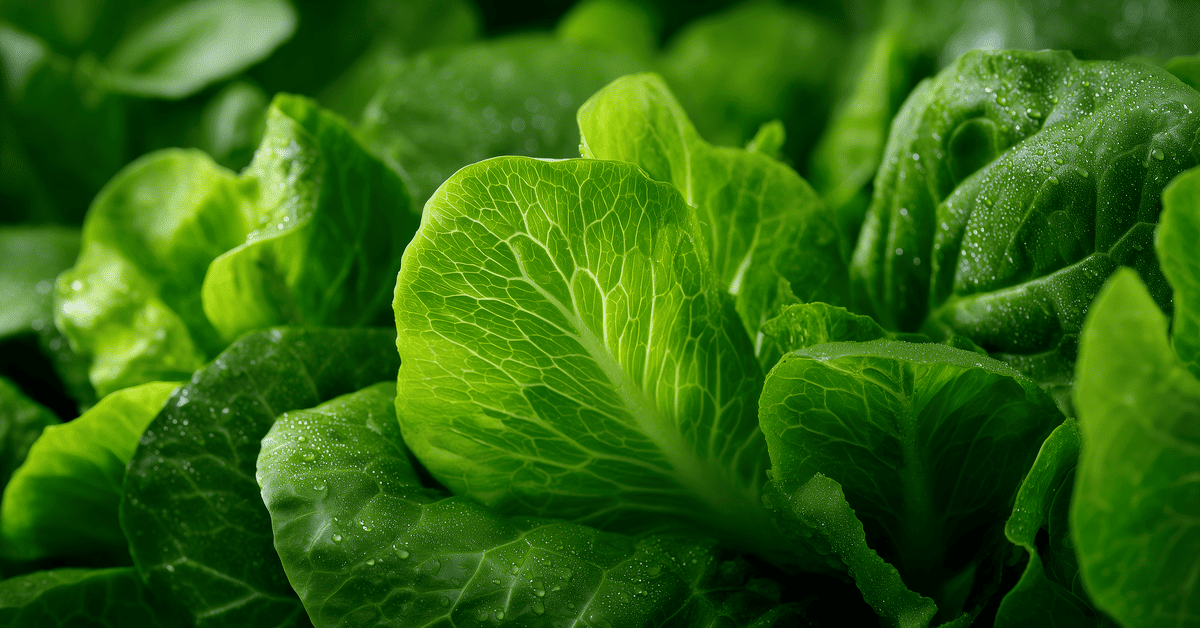
Kale provides exceptional antioxidant density, combining high levels of vitamins A, C, and K with substantial quantities of protective compounds. The kale leaves benefits include particularly effective protection against lipid peroxidation, the oxidative damage to fats that compromises mitochondrial membranes. These membranes require specific fatty acid compositions to function properly, and kale’s antioxidants help preserve this delicate structure.
The glucosinolates in kale break down into compounds that support detoxification pathways, reducing the toxic burden that otherwise stresses mitochondria. Think of this as reducing the background noise that interferes with mitochondrial efficiency, allowing these cellular powerhouses to focus on energy production.
Kale’s mineral content, including manganese and copper, provides cofactors for mitochondrial antioxidant enzymes. These minerals enable the enzymatic systems that neutralise reactive oxygen species directly at their source within mitochondria.
Key Takeaways: Kale’s antioxidants specifically protect the fatty membranes surrounding mitochondria. Detoxification support reduces the toxic stress that impairs mitochondrial function. Essential minerals in kale enable mitochondrial antioxidant enzyme systems.
Cabbage Nutrition and Antioxidant Defence
Often overlooked, cabbage nutrition provides substantial mitochondrial support through its diverse glucosinolate profile and affordability. Red cabbage particularly excels with anthocyanins that complement the protective effects of cruciferous compounds, creating enhanced antioxidant coverage.
The various cabbage forms -green, red, savoy, and fermented varieties like sauerkraut – each offer slightly different phytochemical profiles. This diversity allows for varied intake patterns that provide comprehensive mitochondrial protection through multiple pathways.
Fermented cabbage products enhance bioavailability of certain compounds whilst adding probiotic benefits that indirectly support mitochondrial health through gut-mitochondria communication pathways. The fermentation process also pre-digests some compounds, making protective molecules more readily available.
Key Takeaways: Cabbage provides cost-effective mitochondrial support with diverse protective compounds. Different cabbage varieties offer complementary phytochemical profiles. Fermented forms enhance compound bioavailability and add gut health benefits.
Spinach Benefits and Side Effects Considerations
Whilst technically not cruciferous, spinach often accompanies these vegetables in wellness discussions and provides complementary mitochondrial support. The spinach benefits include exceptional magnesium content, essential for ATP production within mitochondria, alongside coenzyme Q10, a critical component of the electron transport chain.
However, spinach benefits and side effects require balanced consideration. The oxalate content can interfere with mineral absorption when consumed in excessive quantities, potentially limiting some beneficial effects. Cooking reduces oxalate levels whilst maintaining most protective compounds, offering a practical solution for those concerned about absorption.
Combining spinach with cruciferous vegetables creates a synergistic effect, with different protective compounds working through complementary mechanisms. This variety ensures comprehensive mitochondrial support across multiple pathways simultaneously.
Key Takeaways: Spinach provides complementary nutrients that support mitochondrial energy production. Oxalate considerations suggest moderate consumption and cooking preparation. Combining spinach with cruciferous vegetables enhances overall mitochondrial protection.
Practical Ways to Maximise Cruciferous Benefits
Optimising cruciferous vegetable benefits requires attention to preparation and consumption patterns. Light steaming or brief sautéing preserves glucosinolates whilst improving digestibility, offering an ideal middle ground between raw and overcooked preparations.
Combining cruciferous vegetables with healthy fats enhances absorption of fat-soluble protective compounds, whilst adding mustard seeds or wasabi can boost sulforaphane formation through their myrosinase enzyme content. These simple preparation strategies significantly enhance the mitochondrial benefits you receive.
Consider these practical integration approaches:
- Rotate varieties regularly: Different cruciferous vegetables provide varying glucosinolate profiles that protect mitochondria through complementary pathways
- Include raw and cooked forms: Raw vegetables maximise certain compounds, whilst cooking enhances others and improves overall digestibility
- Pair with healthy fats: Adding olive oil, avocado, or nuts improves absorption of fat-soluble protective compounds
- Consume throughout the day: Spreading intake maintains continuous antioxidant presence during ongoing mitochondrial energy production
- Choose fresh, quality sources: Fresher vegetables contain higher levels of protective compounds that degrade over time
Key Takeaways: Proper preparation methods preserve beneficial compounds whilst improving digestibility. Strategic combinations enhance the bioavailability of protective molecules. Regular, varied consumption provides sustained mitochondrial support throughout the day.
FAQs
Yes, cruciferous vegetables are rich in antioxidants, which help protect cells from oxidative stress and inflammation.
Cruciferous vegetables offer numerous health benefits, including improved detoxification, reduced inflammation, and a lower risk of chronic diseases like cancer and heart disease.