
Why Cruciferous Veggies Are Your Mitochondria’s BFF
Reviewed & Edited by: Dr. Dooa Arif, Content Strategist
Estimated Reading Time: 7 minutes
Table of Contents
TL;DR
Cruciferous vegetables are not just a staple of healthy eating; they are powerhouses for mitochondrial health, providing crucial compounds like sulforaphane that enhance energy production and protect against oxidative stress. Incorporating these vegetables into your diet, from broccoli and kale to brussels sprouts and cabbage, can significantly support cellular function by protecting mitochondrial membranes and promoting the creation of new mitochondria. Their diverse range of benefits, coupled with their ability to activate your body's natural antioxidant defenses, makes them an essential part of any diet aimed at boosting vitality and long-term health.
Your mitochondria work tirelessly every moment, producing the energy that powers every cellular process in your body. These tiny organelles require specific nutrients and protective compounds to function optimally, and cruciferous vegetables deliver precisely what they need. Understanding how these remarkable vegetables support your cellular powerhouses can transform your approach to nutrition and vitality.
Understanding Cruciferous Vegetables and Mitochondrial Connection
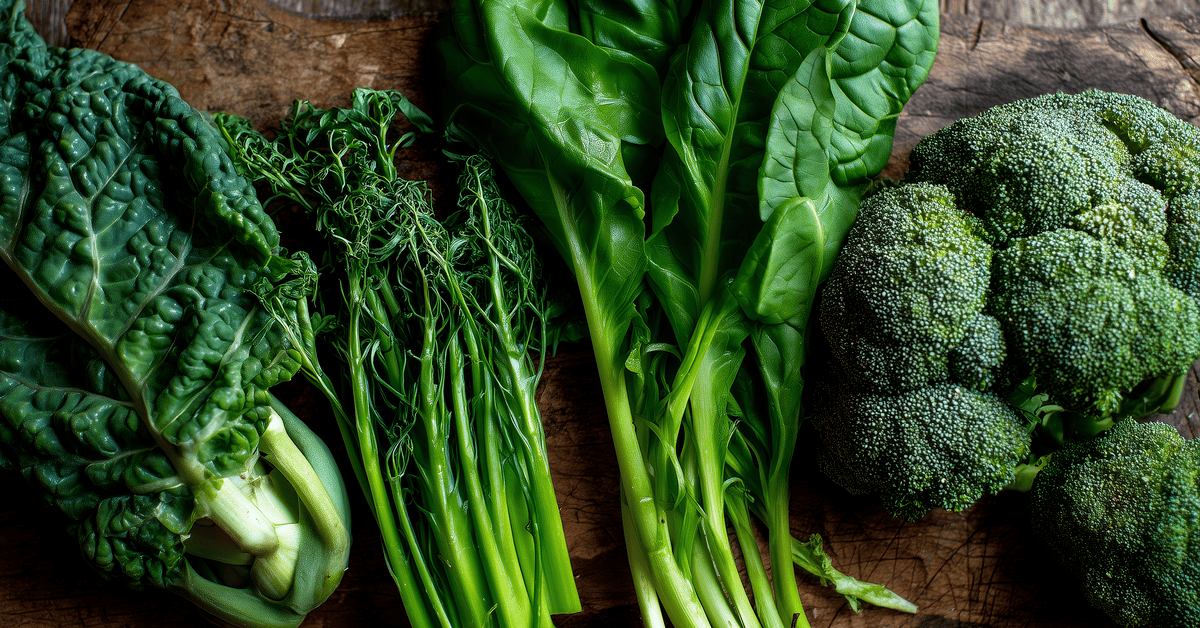
Cruciferous vegetables belong to the Brassicaceae family and contain unique compounds called glucosinolates, which break down into powerful bioactive substances when you chew, chop, or digest them. The star player amongst these breakdown products is sulforaphane, a molecule that directly supports mitochondrial function through multiple pathways.
These vegetables activate your body’s own antioxidant defence systems rather than simply providing antioxidants. This activation process helps mitochondria manage oxidative stress more effectively, reducing the burden of free radicals that naturally accumulate during energy production. Think of it as teaching your mitochondria to defend themselves rather than just providing temporary protection.
The connection runs deeper than simple antioxidant support. Compounds from these vegetables influence mitochondrial biogenesis- the creation of new mitochondria – whilst simultaneously improving the efficiency of existing ones¹. This dual action makes them particularly valuable for anyone seeking to optimise cellular energy production.
Key Takeaways: Cruciferous vegetables contain glucosinolates that support mitochondrial defence systems. These compounds enhance both mitochondrial quality and quantity. They activate your body’s natural protective mechanisms rather than just providing passive antioxidants.
Health Benefits for Cellular Energy
The cruciferous greens health benefits extend far beyond basic nutrition. These vegetables support mitochondrial health through several interconnected mechanisms that work synergistically to enhance cellular function.
Sulforaphane and other isothiocyanates help maintain mitochondrial membrane integrity, essential for efficient energy production. Damaged membranes lead to energy leaks and increased oxidative stress, creating a vicious cycle. By protecting these delicate structures, cruciferous veggies help your mitochondria operate at peak efficiency.
These vegetables also support the electron transport chain, the final stage of cellular “energy” production where most Adenosine Triphosphate (ATP) is generated. By reducing oxidative damage to the proteins involved in this process, crucifers help maintain optimal energy output whilst minimising harmful byproducts.
Additionally, compounds in cruciferous greens influence calcium signalling within mitochondria, helping regulate energy production in response to cellular demands. This dynamic regulation ensures your cells receive appropriate energy levels without overproduction that could lead to oxidative damage.
Key Takeaways: Cruciferous vegetables protect mitochondrial membranes and energy-producing machinery. They support efficient ATP production whilst reducing harmful byproducts. These vegetables help maintain optimal mitochondrial calcium balance.
Top Examples: Your Mitochondrial Toolkit
Understanding which cruciferous edibles examples to incorporate into your diet empowers you to make strategic nutritional choices. Each variety offers unique benefits whilst sharing core mitochondrial-supporting properties.
Common cruciferous vegetables include:
- Broccoli: Rich in sulforaphane, particularly when lightly steamed or eaten raw
- Brussels sprouts: Packed with glucosinolates and protective compounds
- Cauliflower: Versatile and gentler on digestion for sensitive individuals
- Cabbage: Available year-round and excellent for fermentation
- Rocket (arugula): Peppery leaves with concentrated isothiocyanates
Each vegetable contains varying levels of different glucosinolates, so rotating through different types ensures you receive a broad spectrum of beneficial compounds. This variety also prevents dietary monotony whilst maximising mitochondrial support.
Key Takeaways: Different cruciferous vegetables provide complementary mitochondrial benefits. Rotating varieties ensures comprehensive nutritional support. All crucifers share core compounds that protect cellular energy production.
Kale: The Mitochondrial Superfood
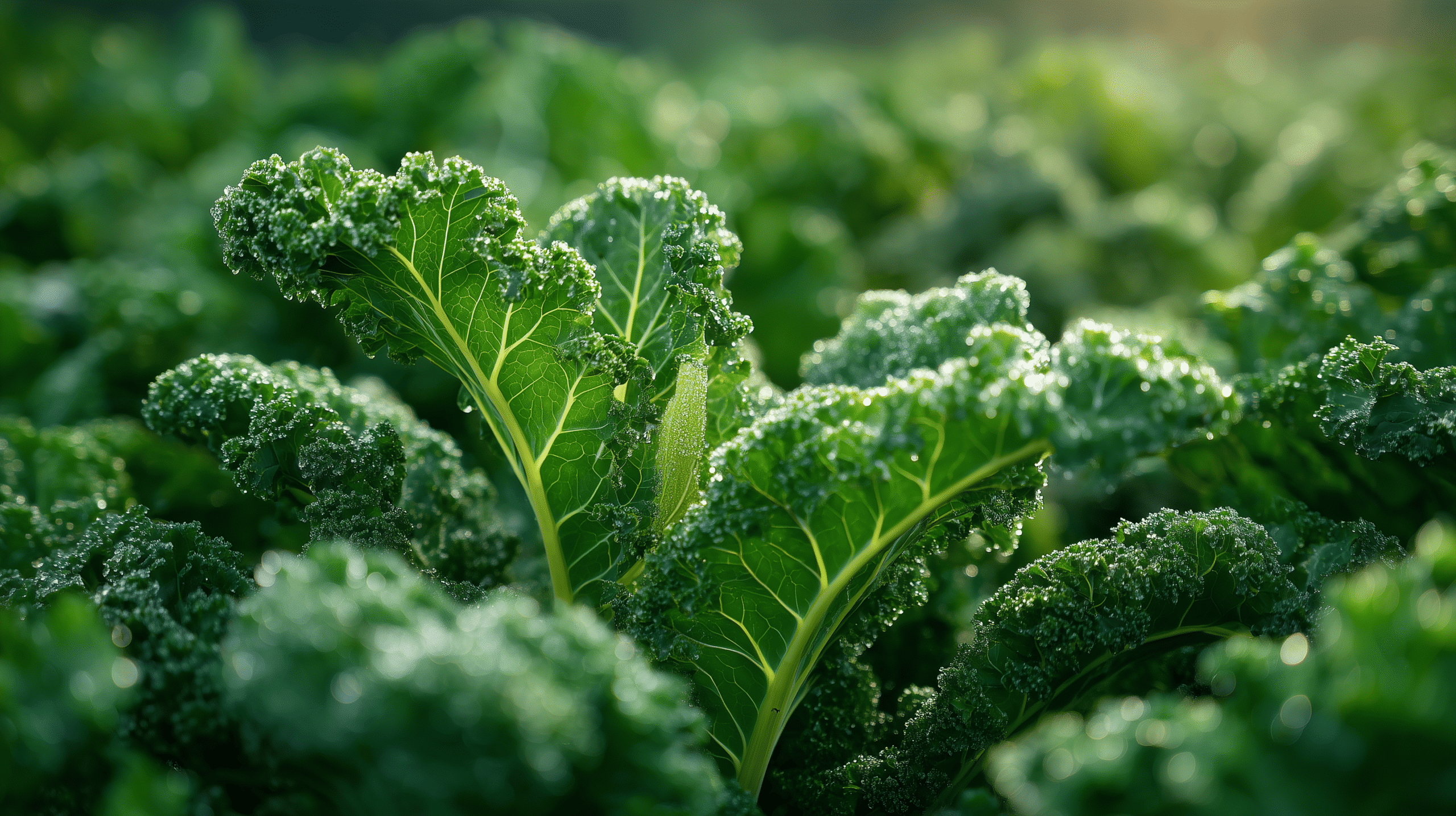
Whilst exploring these vegetables kale deserves special attention for its exceptional nutrient density and mitochondrial-supporting compounds. This leafy green combines high levels of sulforaphane precursors with abundant vitamins and minerals essential for energy metabolism.
Kale contains significant amounts of vitamin K, which plays a role in mitochondrial electron transport. It also provides vitamin C, supporting the regeneration of other antioxidants that protect mitochondria. The mineral content, particularly magnesium, supports hundreds of enzymatic reactions involved in energy production.
The dark colour of kale indicates high levels of carotenoids and flavonoids, which provide additional antioxidant protection for mitochondria. These compounds work alongside glucosinolates to create a comprehensive protective effect that few other vegetables can match.
Key Takeaways: Kale combines cruciferous compounds with essential vitamins and minerals. Its nutrient density makes it particularly efficient for mitochondrial support. Multiple protective compounds work synergistically in kale.
Recipes for Optimal Benefits
Preparing cruciferous veggies recipes properly maximises their mitochondrial benefits whilst making them delicious enough to eat regularly. The key lies in balancing palatability with preservation of beneficial compounds.
Light steaming for three to four minutes optimises sulforaphane production in broccoli whilst maintaining pleasant texture. Adding a sprinkle of mustard seeds to cooked cruciferous greens can restore myrosinase, the enzyme responsible for converting glucosinolates into active compounds that heat may have deactivated.
Raw preparations in salads preserve maximum compounds, though some people find them harder to digest. Massaging kale with a touch of olive oil and lemon juice breaks down fibres whilst keeping nutrients intact. Fermented preparations like sauerkraut offer probiotic benefits alongside cruciferous compounds.
Roasting at moderate temperatures creates appealing caramelisation without excessive compound degradation. Toss Brussels sprouts or cauliflower with olive oil and roast until golden for a delicious side dish that supports your mitochondria.
Key Takeaways: Cooking method significantly affects beneficial compound availability. Light steaming and raw preparations often preserve the most active compounds. Adding mustard seeds can restore enzyme activity lost during cooking.
FAQs
Yes, it is generally safe to eat cruciferous edibles every day, as they are nutrient-dense and provide numerous mitochondrial health benefits.
Foods high in sulforaphane include broccoli, especially its sprouts, as well as brussels sprouts, kale, and cabbage.
References
- Shimizu, S., Kasai, S., Yamazaki, H., Tatara, Y., Mimura, J., Engler, M. J., Tanji, K., Nikaido, Y., Inoue, T., Suganuma, H., Wakabayashi, K., & Itoh, K. (2022). Sulforaphane increases mitochondrial biogenesis‑related gene expression in the hippocampus and suppresses age‑related cognitive decline in mice. International Journal of Molecular Sciences, 23(15), 8433. https://doi.org/10.3390/ijms23158433