
Resveratrol Superfoods: How Grapes & Berries Boost Mitochondria
Reviewed & Edited by: Dr. Dooa Arif, Content Strategist
Estimated Reading Time: 7 minutes
Table of Contents
TL;DR
Incorporating resveratrol-rich superfoods like grapes and berries into your daily routine can significantly support mitochondrial function and cellular energy production. These powerful antioxidants help protect mitochondria from oxidative stress, promote energy production, and contribute to overall longevity. Grapes, especially red varieties, provide concentrated resveratrol, while berries offer complementary antioxidants like anthocyanins that further enhance mitochondrial health. By strategically combining these foods, you can maximize their benefits, ensuring a steady intake of vital nutrients that support both immediate and long-term cellular vitality.
Resveratrol stands as one of nature’s most remarkable polyphenolic compounds, offering profound benefits for cellular health and longevity. Found primarily in the skins of certain fruits, this powerful antioxidant has captured scientific attention for its ability to support mitochondrial function at the cellular level.
Your mitochondria serve as the energy powerhouses within every cell, converting nutrients into usable energy through complex biochemical processes. When these cellular structures function optimally, you experience better energy levels, enhanced cognitive performance, and improved overall vitality. The resveratrol compound supports these vital organelles by activating specific cellular pathways that promote mitochondrial biogenesis – the creation of new, healthy mitochondria.
The compound achieves this through activation of sirtuins, proteins that regulate cellular health and longevity. These “longevity proteins” help maintain mitochondrial integrity, protect against oxidative stress, and support efficient energy production throughout your body.
Red Grapes: Nature's Resveratrol Powerhouse
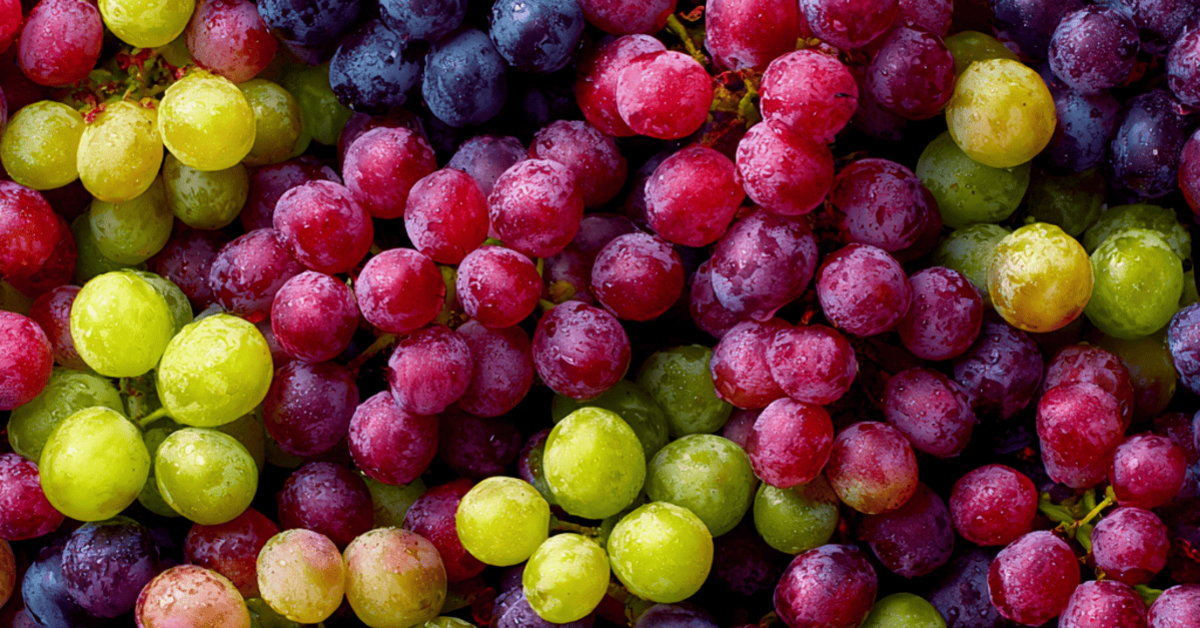
Red grapes resveratrol content makes them exceptional superfoods for mitochondrial support¹. The compound concentrates primarily in grape skins, where it develops as a natural defence mechanism against environmental stressors like UV radiation and fungal infections.
Dark-skinned grape varieties contain particularly high concentrations, with Muscadine grapes leading the pack. When you consume whole red grapes, you’re accessing not just resveratrol but a symphony of complementary compounds including quercetin, catechins, and anthocyanins that work synergistically to support cellular health.
The beauty of red grapes lies in their versatility and accessibility. Fresh grapes provide immediate benefits, whilst raisins offer concentrated nutrition in a convenient form. The fermentation process in red wine production actually increases the compound’s bioavailability, though the alcohol content means moderation remains essential.
Beyond resveratrol, red grapes deliver proanthocyanidins that specifically support mitochondrial membrane integrity, helping these cellular powerhouses maintain their structural stability whilst producing energy efficiently.
Key Takeaway: Grape skins contain the highest resveratrol concentrations. Dark-skinned varieties offer superior polyphenol content.
Berries: Antioxidant Champions for Cellular Energy
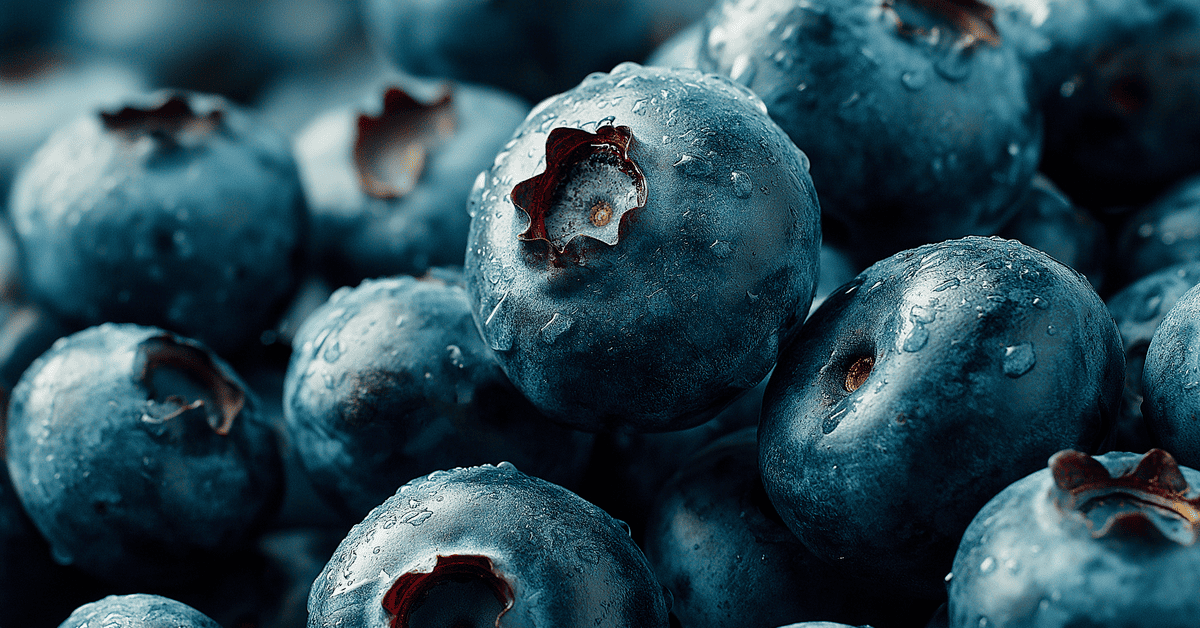
The blueberry connection represents just one aspect of how berries support mitochondrial health. Whilst blueberries contain modest amounts of this compound, they excel in delivering complementary antioxidants that work alongside resveratrol to protect mitochondria from oxidative damage.
Berries antioxidant capacity stems from their rich anthocyanin content – the pigments responsible for their vibrant colours. These compounds cross the blood-brain barrier, offering particular benefits for cognitive function and neural mitochondrial health.
Cranberries, blackberries, and raspberries each contribute unique phytonutrient profiles. Mulberries stand out for their notable resveratrol content, whilst strawberries provide ellagic acid that supports cellular detoxification processes. This diversity means incorporating various berry types ensures comprehensive mitochondrial support.
The cellular benefits extend beyond direct antioxidant action. Berries promote healthy inflammatory responses, support vascular function, and enhance nutrient delivery to cells – all factors that indirectly support mitochondrial efficiency and energy production.
Key Takeaways: Different berries provide complementary antioxidant compounds. Anthocyanins in berries specifically protect neural mitochondria.
How Resveratrol Uses Support Mitochondrial Function
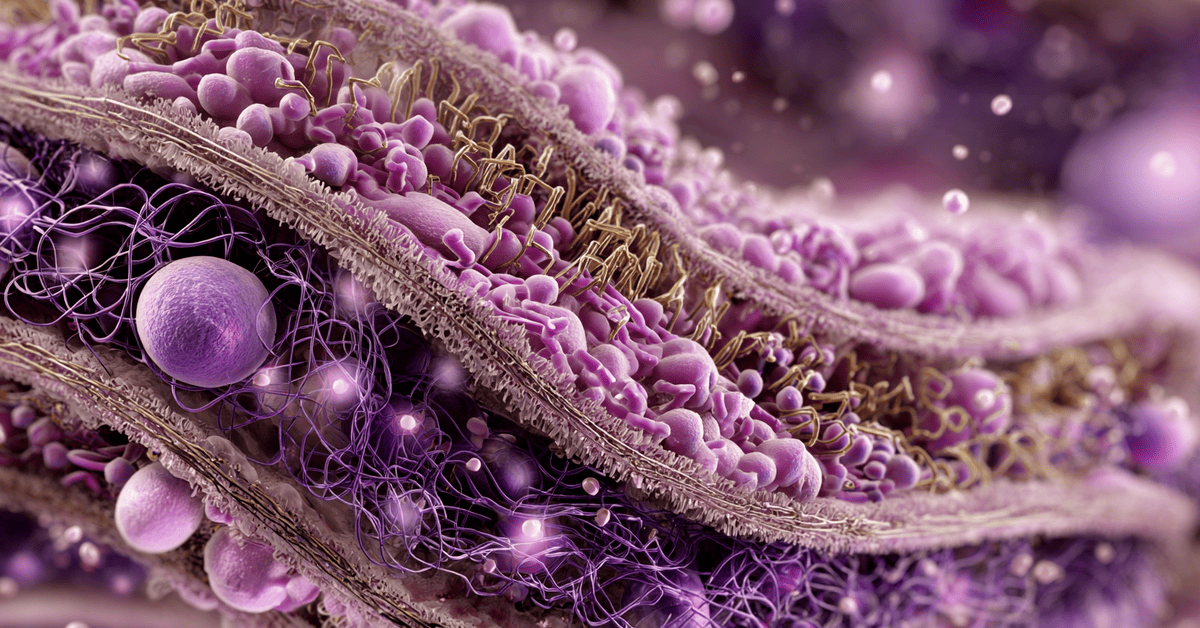
Understanding the uses reveals why this compound proves so valuable for cellular energy. The molecule activates AMPK, an enzyme that serves as your cells’ energy sensor. When AMPK activates, it triggers numerous beneficial processes including enhanced glucose uptake, improved fat oxidation, and increased mitochondrial biogenesis.
Resveratrol also supports mitochondrial DNA integrity. Your mitochondria contain their own genetic material, separate from nuclear DNA, making them vulnerable to oxidative damage. By reducing reactive oxygen species and enhancing cellular antioxidant systems, the compound helps preserve mitochondrial genetic stability.
The compound influences mitochondrial dynamics – the processes of fusion and fission that maintain healthy mitochondrial networks. Proper dynamics ensure damaged components get recycled whilst healthy mitochondria merge to optimise function. This quality control mechanism proves essential for sustained cellular energy production.
Perhaps most remarkably, this compound mimics certain aspects of caloric restriction at the cellular level, activating pathways associated with longevity and metabolic health without requiring actual dietary restriction.
Key Takeaway: Resveratrol activates cellular energy sensors for enhanced metabolism.
Combining Grapes and Berries for Maximum Benefits
Strategic combination of grapes and berries creates synergistic effects that exceed individual benefits. The diverse polyphenol profiles complement each other, offering comprehensive mitochondrial protection through multiple mechanisms.
Morning consumption of mixed berries provides antioxidant protection that lasts throughout the day, whilst evening grape consumption may support cellular repair processes during sleep. This timing strategy aligns with natural cellular rhythms, optimising nutrient utilisation.
Colour variety matters tremendously. Purple grapes combined with red strawberries, blue blueberries, and black blackberries deliver a full spectrum of anthocyanins and polyphenols. Each pigment offers unique cellular benefits, creating comprehensive mitochondrial support.
Fresh, frozen, and freeze-dried options all retain beneficial compounds, making year-round consumption practical. Frozen berries actually maintain excellent nutrient profiles, sometimes exceeding fresh varieties picked before peak ripeness.
Key Takeaways: Colour variety ensures comprehensive polyphenol intake. Both fresh and frozen options deliver powerful nutrients.
Practical Ways to Incorporate Resveratrol Superfoods
Start your day with a berry-rich smoothie combining blueberries, strawberries, and a handful of red grapes. This provides immediate antioxidant protection whilst supporting morning energy production. Add leafy greens for additional mitochondrial cofactors like magnesium and B vitamins.
Create afternoon snack plates featuring grape clusters alongside mixed berries, nuts, and perhaps dark chocolate – another resveratrol source. This combination satisfies sweet cravings whilst delivering sustained cellular benefits.
Consider these additional incorporation methods:
- Freeze grapes and berries as refreshing, nutrient-dense frozen treats
- Add fresh berries to breakfast porridge or yoghurt with crushed walnuts
- Blend frozen berries into homemade chia seed puddings
- Create grape and berry salads with fresh mint and lime
Organic options reduce pesticide exposure, particularly important for grapes which otherwise appear on lists of heavily sprayed produce.
Key Takeaways: Simple daily incorporation strategies ensure consistent benefits. Variety in preparation methods prevents dietary monotony.
FAQs
The food highest in resveratrol is red grapes, particularly the skins, followed by red wine made from them.
Taking this compound daily may help improve mitochondrial function, reduce inflammation, and support heart health, though its long-term effects require more research.
References
1. Lekli, I., Ray, D., & Das, D. K. (2010). Longevity nutrients resveratrol, wines and grapes. Genes & Nutrition, 5(1), 55–60. https://doi.org/10.1007/s12263-009-0145-2