
What Is Mitochondrial Dysfunction?
Reviewed & Edited by: Dr. Dooa Arif, Content Strategist
Estimated Reading Time: 6 minutes
Table of Contents
TL;DR
Mitochondrial dysfunction plays a significant role in overall health, contributing to issues like fatigue, muscle weakness, and cognitive decline. With the rise of chronic conditions linked to poor mitochondrial function, it’s essential to focus on lifestyle changes, such as improving diet, reducing oxidative stress, and prioritizing exercise and sleep. By supporting mitochondrial health through these measures, we can boost energy levels, enhance cellular efficiency, and promote long-term wellness.
Think of your body as a high-performance machine, where every cell functions like a gear in a complex engine. Mitochondria are the fuel cells, constantly powering these gears with Adenosine Triphosphate (ATP), the energy currency of life. When these power cells start to malfunction, the entire engine slows down, leading to what we call mitochondrial dysfunction.
Unlike a simple on-off switch, this condition exists on a spectrum, ranging from mild inefficiency to severe impairment.
A widely cited estimate places the prevalence of this organelle dysfunction diseases at approximately 1 in 4,300 individuals¹.
The Science Behind Mitochondrial Malfunction
Mitochondrial malfunction doesn’t happen overnight. These organelles possess their own DNA, separate from your nuclear genetic material, making them uniquely vulnerable to damage. Throughout your lifetime, various factors can compromise integrity.
Environmental toxins, poor nutrition, chronic stress, and simply the passage of time all contribute to their declining function. Think of it like a car engine that gradually loses efficiency – the pistons still move, but performance deteriorates.
The electron transport chain, a series of protein complexes within mitochondria, serves as the assembly line for ATP production. When any component in this chain malfunctions, energy output plummets. This cascade effect means even minor disruptions can have significant consequences for cellular health.
Key Takeaway: Modern lifestyle factors accelerate mitochondrial decline.
Mitochondrial Dysfunction and Oxidative Stress
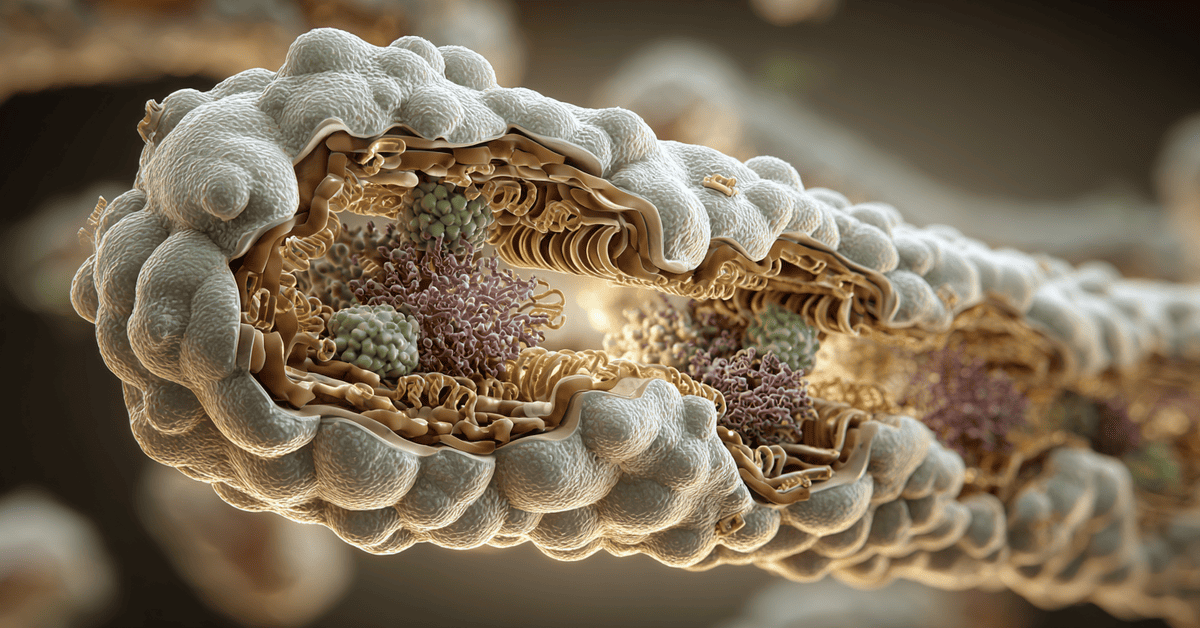
The relationship between mitochondrial dysfunction and oxidative stress creates a vicious cycle that perpetuates cellular damage. As mitochondria produce energy, they naturally generate reactive oxygen species (ROS) – essentially cellular exhaust fumes. Healthy mitochondria manage these byproducts efficiently through antioxidant systems.
However, when dysfunction occurs, this balance collapses. Damaged mitochondria produce excessive reactive oxygen species whilst simultaneously losing their ability to neutralise them. This oxidative stress then causes further damage, creating a downward spiral.
Picture rust spreading across metal – oxidative stress similarly corrodes cellular structures. Lipids, proteins, and DNA all become targets, with mitochondrial DNA being particularly susceptible due to its proximity to the electron transport chain.
Your body possesses natural antioxidant defences, but chronic oxidative stress can overwhelm these protective mechanisms. This is where targeted nutritional support becomes crucial for breaking the cycle.
Key Takeaways: Dysfunctional mitochondria create excessive reactive oxygen species (ROS).Oxidative stress and organelle dysfunction form a self-perpetuating cycle.
The Inflammation Connection
Mitochondrial dysfunction and inflammation engage in constant dialogue within your cells. When mitochondria struggle, they release damage signals that trigger inflammatory responses. This inflammation, initially protective, can become chronic and further impair organelle function.
Inflammatory molecules interfere with mitochondrial metabolism, reducing ATP production whilst increasing oxidative stress. The immune system interprets failing mitochondria as threats, mounting responses that ironically worsen the underlying problem.
This inflammatory cascade doesn’t remain isolated. It spreads throughout tissues and organs, potentially contributing to fatigue, brain fog, joint discomfort, and metabolic disturbances. Many wellness enthusiasts notice these symptoms improve when they address mitochondrial health.
Key Takeaway: The organelle’s dysfunction triggers inflammatory responses.
Supporting Your Mitochondria Through Diet

A mitochondrial dysfunction addressing diet focuses on providing the nutrients these powerhouses need whilst reducing factors that impair their function.
Foods That Support Mitochondria:
- Fatty fish rich in omega-3 fatty acids for membrane integrity
- Colourful vegetables providing polyphenols and antioxidants
- Grass-fed meats offering CoQ10 and L-carnitine
- Nuts and seeds packed with vitamin E and minerals
- Fermented foods supporting gut-mitochondria communication
Allowing periods between meals gives mitochondria recovery time, much like rest days benefit athletic performance. This intermittent approach to eating can enhance the organelle’s efficiency and promote the generation of new, healthy mitochondria.
Organic produce reduces toxic burden, whilst minimising processed foods decreases the inflammatory load on your mitochondria. Each meal becomes an opportunity to support or hinder cellular energy production.
Key Takeaways: Nutrient-dense whole foods provide essential mitochondrial cofactors.
Mitochondria Dysfunction Supplements
Strategic supplementation can address nutritional gaps that diet alone might miss. Mitochondria dysfunction supplements work by providing cofactors, antioxidants, and substrates necessary for optimal energy production.
CoQ10 stands as perhaps the most recognised supplement in this category, serving as an electron carrier in the energy production process. Your body produces it naturally, but levels decline with age and certain health conditions.
Alpha-lipoic acid functions as both an antioxidant and a metabolic cofactor, supporting the conversion of food into energy whilst protecting mitochondria from oxidative damage. Its unique ability to work in both water and fat-soluble environments makes it particularly versatile.
Additional Supportive Supplements:
- Magnesium for hundreds of enzymatic reactions including ATP synthesis
- B-complex vitamins serving as essential metabolic cofactors
- N-acetyl cysteine supporting glutathione production
- PQQ potentially promoting mitochondrial biogenesis
- Carnitine facilitating fatty acid transport into mitochondria
Key Takeaways: Supplements provide targeted mitochondrial support beyond diet.
Lifestyle Strategies for Mitochondrial Health
Beyond nutrition and supplements, daily habits profoundly influence mitochondrial function. Exercise represents one of the most powerful interventions, stimulating the creation of new mitochondria through a process called biogenesis.
Both endurance and resistance training benefit mitochondria, though they work through different mechanisms. The key is consistency and progressive challenge – your mitochondria respond to demands by becoming more efficient and numerous.
Sleep quality directly impacts organelle health. During deep sleep, cellular repair processes accelerate, damaged mitochondria are removed, and new ones are synthesised. Prioritising seven to nine hours of quality sleep isn’t luxury; it’s mitochondrial maintenance.
Stress management deserves equal attention. Chronic stress hormones impair organelle function whilst increasing oxidative damage. Meditation, breathwork, time in nature, and meaningful social connections all support cellular energy systems through stress reduction.
Cold exposure and heat therapy provide hormetic stressors – mild challenges that strengthen mitochondrial resilience. These practices trigger adaptive responses that enhance overall cellular function.
Key Takeaways: Regular exercise stimulates new mitochondria creation. Quality sleep enables essential organelle repair processes.
To gain a deeper understanding of your mitochondrial health and take proactive and personalised steps towards better energy and wellness, consider using the mescreen™ mitochondrial screening kit. Enjoy a more vibrant, sustainable life by understanding and supporting your body’s mitochondrial functioning.
FAQs
Mitochondrial dysfunction can be caused by genetic mutations, environmental factors, aging, or damage from oxidative stress and toxins.
Mitochondrial dysfunction can be suspected based on symptoms like unexplained fatigue, muscle weakness, neurological issues, and confirmed through diagnostic tests such as genetic screening and metabolic panels.
References
- Gorman, G. S., Schaefer, A. M., Ng, Y., Gomez, N., Blakely, E. L., Alston, C. L., … Turnbull, D. M. (2015). Prevalence of nuclear and mitochondrial DNA mutations related to adult mitochondrial disease. Annals of Neurology, 77(5), 753–759. https://doi.org/10.1002/ana.24362