
How Mitochondria Work: The Science of Cellular Energy
Reviewed & Edited by: Dr. Dooa Arif, Content Strategist
Estimated Reading Time: 6 minutes
Table of Contents
TL;DR
Mitochondria are the unsung heroes of cellular energy production, essential to nearly every process in the body. Their complex structure, including the outer membrane, cristae, and matrix, is perfectly designed to maximize ATP generation, which fuels everything from muscle movement to brain function. By efficiently converting nutrients into usable energy through processes like the citric acid cycle and electron transport chain, they not only power cells but also regulate vital functions like calcium balance and cell death. As the body’s energy production hubs, maintaining mitochondrial health is crucial for overall vitality, cognitive function, and longevity. Understanding how these cellular powerhouses work reinforces their central role in sustaining life and optimal wellness.
When people ask “What does Mitochondria do,” the simple answer is that these remarkable organelles generate the energy currency your body needs to survive. Every breath you take, every thought you think, and every movement you make depends on the tireless work of these tiny organelles in cell after cell throughout your body.
Mitochondria convert the nutrients from your food into adenosine triphosphate, or ATP-the universal energy molecule that fuels virtually every cellular process.
Without properly functioning mitochondria, your cells would quickly run out of energy, much like a mobile phone with a dead battery. This is why understanding them becomes crucial for anyone interested in optimising their health and wellness.
The Structure of Mitochondria: A Closer Look
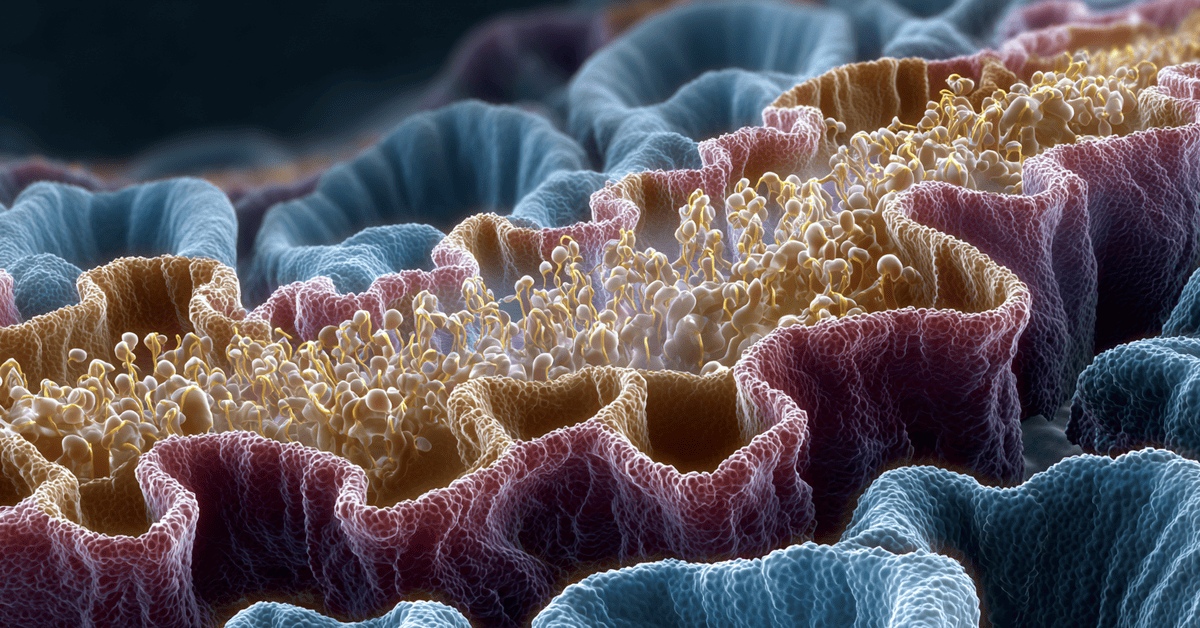
Mitochondria possess a unique double-membrane structure that sets them apart from other cellular components. The outer membrane acts as a smooth boundary, whilst the inner membrane folds inward to create the distinctive cristae of the mitochondria.
This double-membrane design isn’t merely aesthetic – it’s functionally brilliant. The space between these membranes, called the intermembrane space, plays a vital role in energy production. Meanwhile, the innermost compartment houses the mitochondrial matrix, where much of the metabolic magic happens.
The Outer and Inner Membranes
The outer membrane serves as a permeable gateway, allowing small molecules to pass through relatively freely. In contrast, the inner membrane is highly selective, creating the controlled environment necessary for efficient energy production. This selectivity enables mitochondria to maintain the precise conditions required for ATP synthesis.
Key Takeaways: The organelles feature a unique double-membrane structure. The inner membrane’s selective permeability is crucial for function.
The Mitochondrial Matrix: Command Centre of Energy Production
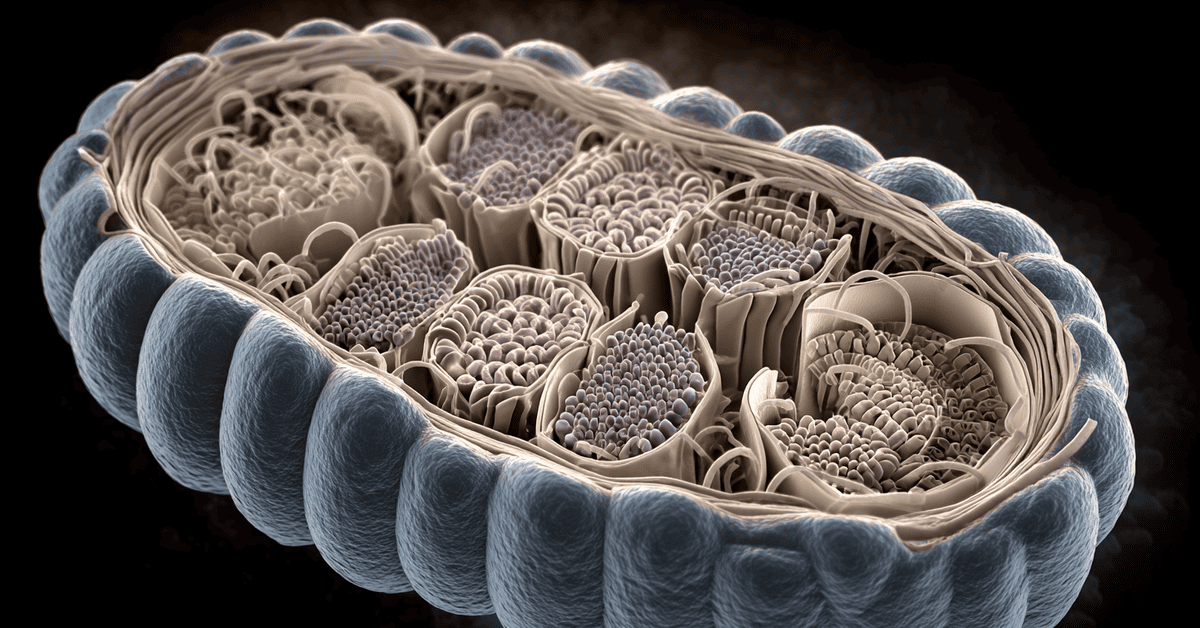
The matrix of mitochondria represents the innermost compartment where critical biochemical reactions occur. This gel-like substance contains enzymes, ribosomes, and even mitochondria’s own DNA – a fascinating remnant suggesting these organelles were once independent bacteria billions of years ago¹.
Within this matrix, the citric acid cycle (also known as the Krebs cycle) takes place. This cycle systematically breaks down nutrients from your diet, extracting electrons that will ultimately drive ATP production. The mitochondrial matrix also contains enzymes responsible for fatty acid breakdown, making it central to both carbohydrate and fat metabolism.
The matrix’s composition allows for optimal enzyme function. Its slightly alkaline pH and high protein concentration create the perfect environment for the hundreds of reactions that occur simultaneously within this microscopic space.
Key Takeaways: The mitochondria matrix hosts the citric acid cycle.It contains its own DNA and ribosomes. This compartment processes both carbohydrates and fats for energy
Cristae: The Folded Powerhouses Within
The cristae are perhaps the most ingenious structural feature of these organelles. These elaborate folds of the inner membrane dramatically increase the surface area available for ATP production – similar to how intestinal villi increase nutrient absorption area.
Along these folded surfaces sit thousands of protein complexes that form the electron transport chain. This arrangement maximises the number of ATP-generating sites within each mitochondrion, making energy production remarkably efficient.
The number and structure of cristae can vary depending on a cell’s energy demands. Heart muscle cells, which require enormous amounts of energy to pump blood continuously, contain mitochondria packed with cristae. In contrast, less metabolically active cells have mitochondria with fewer folds.
Key Takeaways: Cristae multiply the surface area for energy production. They house the electron transport chain complexes. Cristae density reflects cellular energy requirements.
How Mitochondria Work: The ATP Production Process
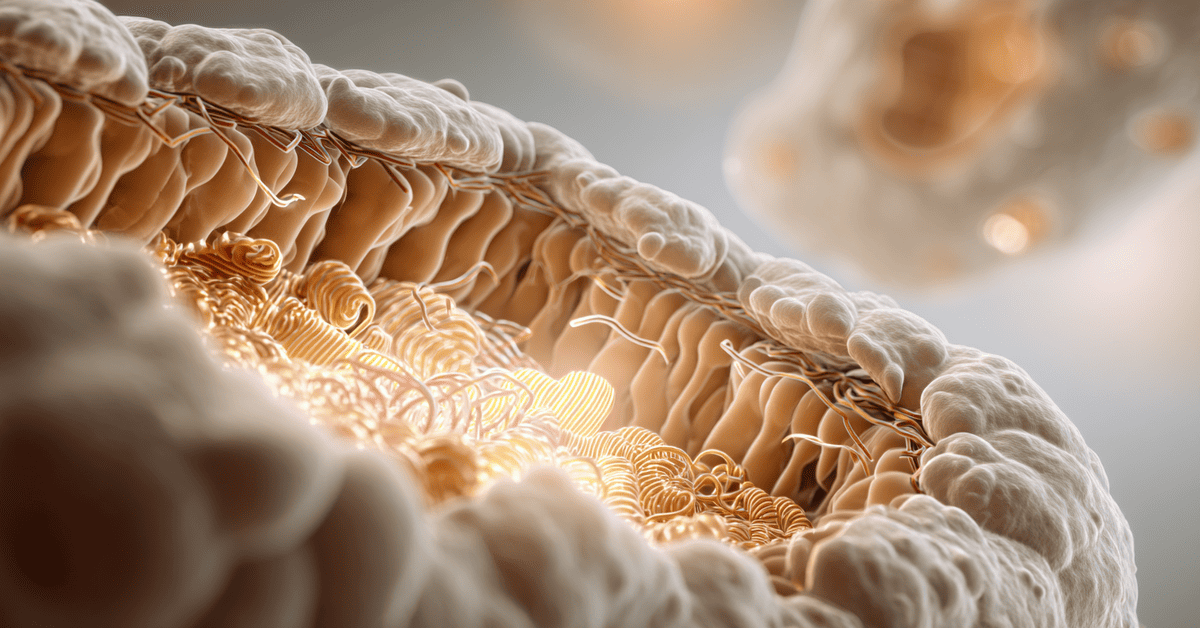
Understanding how mitochondria work reveals one of nature’s most elegant energy conversion systems. The process begins when nutrients from your food are broken down into smaller molecules that enter these organelles.
Inside the mitochondrial matrix, these molecules undergo the citric acid cycle, releasing electrons in the process. These high-energy electrons then pass through a series of protein complexes embedded in the cristae – the famous electron transport chain.
As electrons move through this chain, they release energy that pumps hydrogen ions across the inner membrane, creating a concentration gradient. This gradient represents stored potential energy, much like water behind a dam. When these ions flow back through a special enzyme called ATP synthase, their energy drives the synthesis of ATP molecules.
This process, called oxidative phosphorylation, produces the vast majority of ATP in your body:
- Glycolysis breaks down glucose outside mitochondria
- Citric acid cycle extracts electrons in the matrix
- Electron transport chain transfers electrons along cristae
- Chemiosmosis generates the proton gradient
- ATP synthase produces ATP as protons flow back
Key Takeaways: ATP production involves multiple coordinated steps.The electron transport chain is central to energy generation. This process occurs continuously in every living cell.
Mitochondria Parts and Functions: A Complete Overview
When examining mitochondria parts and functions comprehensively, we see how each component contributes to the whole. The outer membrane provides structural integrity whilst allowing nutrient entry. The intermembrane space facilitates proton gradient formation. The inner membrane houses the electron transport machinery. The cristae maximise production capacity. The matrix contains the enzymatic machinery for nutrient processing.
This division of labour among mitochondria in cell structures exemplifies biological efficiency. Each part performs its specific role whilst coordinating seamlessly with others, creating a sophisticated energy generation system that has evolved over billions of years.
Beyond energy production, mitochondria also regulate calcium levels, participate in cell signalling, and even influence programmed cell death. These additional functions highlight why maintaining this organelle’s health is so important for overall wellness.
Key Takeaways: Each mitochondrial component has a specific, vital function. All parts work together in coordinated fashion.
FAQs
The mitochondria generate ATP, the primary energy currency of the cell, by converting nutrients into usable energy through processes like the citric acid cycle and oxidative phosphorylation.
The 5 functions of Mitochondria are ATP Production, Calcium Storage, Cell Signaling, Heat Production and Hormone Synthesis.
References
- Cooper, G. M. (2000). Mitochondria. In The Cell: A Molecular Approach (2nd ed.). Sinauer Associates. https://www.ncbi.nlm.nih.gov/books/NBK9896/