
Food safety: Dubai’s missing cold-chain check
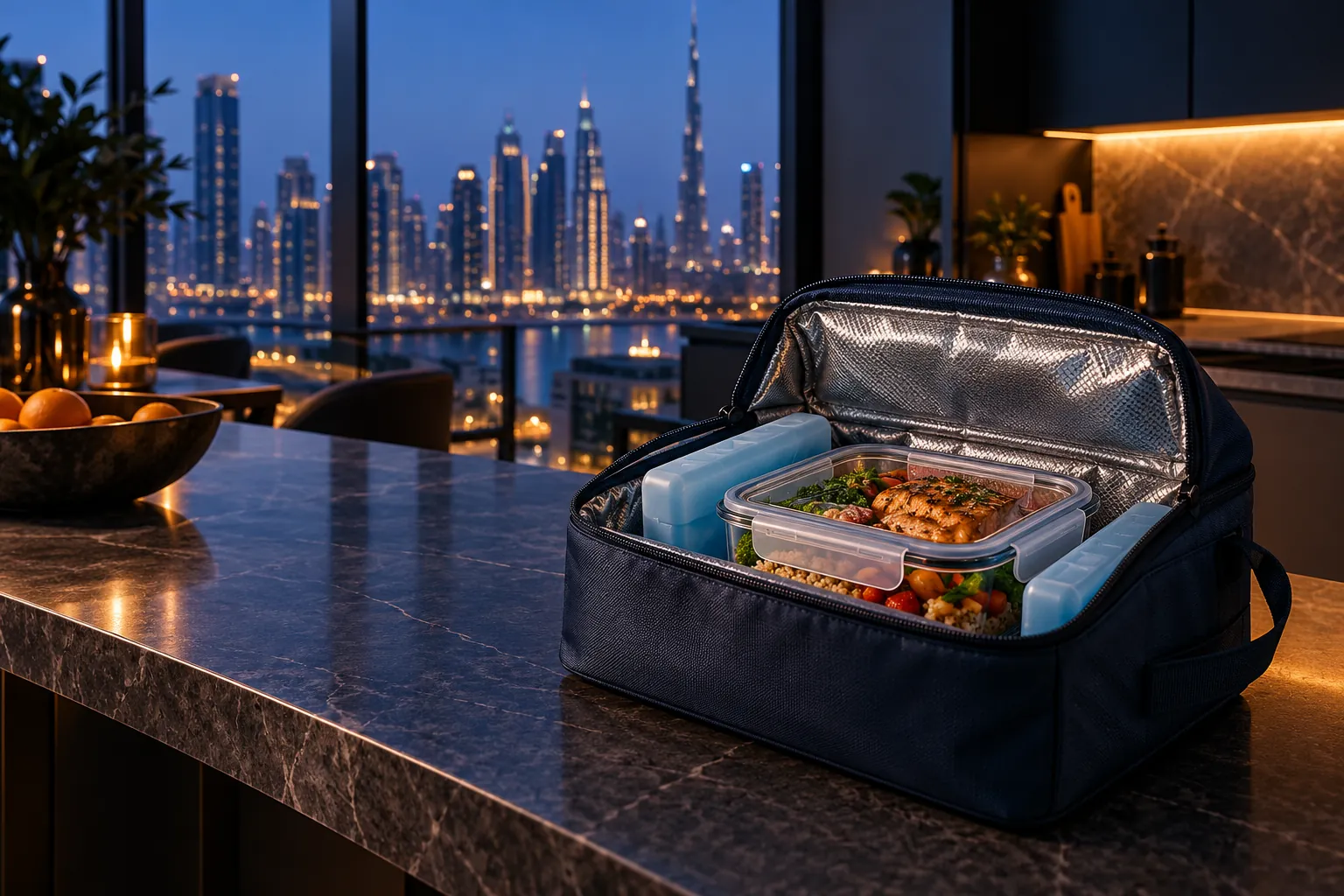
TL;DR: Food safety depends on handling and storage as well as ingredients: WHO advises prompt refrigeration of cooked and perishable food, preferably below 5°C, and no more than two hours at room temperature for cooked food.
Key takeaways
- WHO advises keeping cooked food piping hot, above 60°C, before serving, or refrigerating it promptly, preferably below 5°C.
- The two-hour room-temperature guidance is not permission to leave a meal sitting out until the deadline.
- Smell, taste and appearance cannot reliably establish whether food is safe.
- A nutrition label and a food's storage history answer different questions.
The temperature and handling guidance here comes from the World Health Organization's Five keys to safer food manual. For a Dubai lunch delivery or meal-prep routine, the useful question is not just what is in the box, but what happened to it before lunch.
What is the cold chain?
The cold chain is the sequence of temperature-controlled storage and transport used to keep chilled food cold. In practical terms, think about the whole journey: collection, transport, arrival and storage until eating, rather than treating the fridge as the beginning of the story.
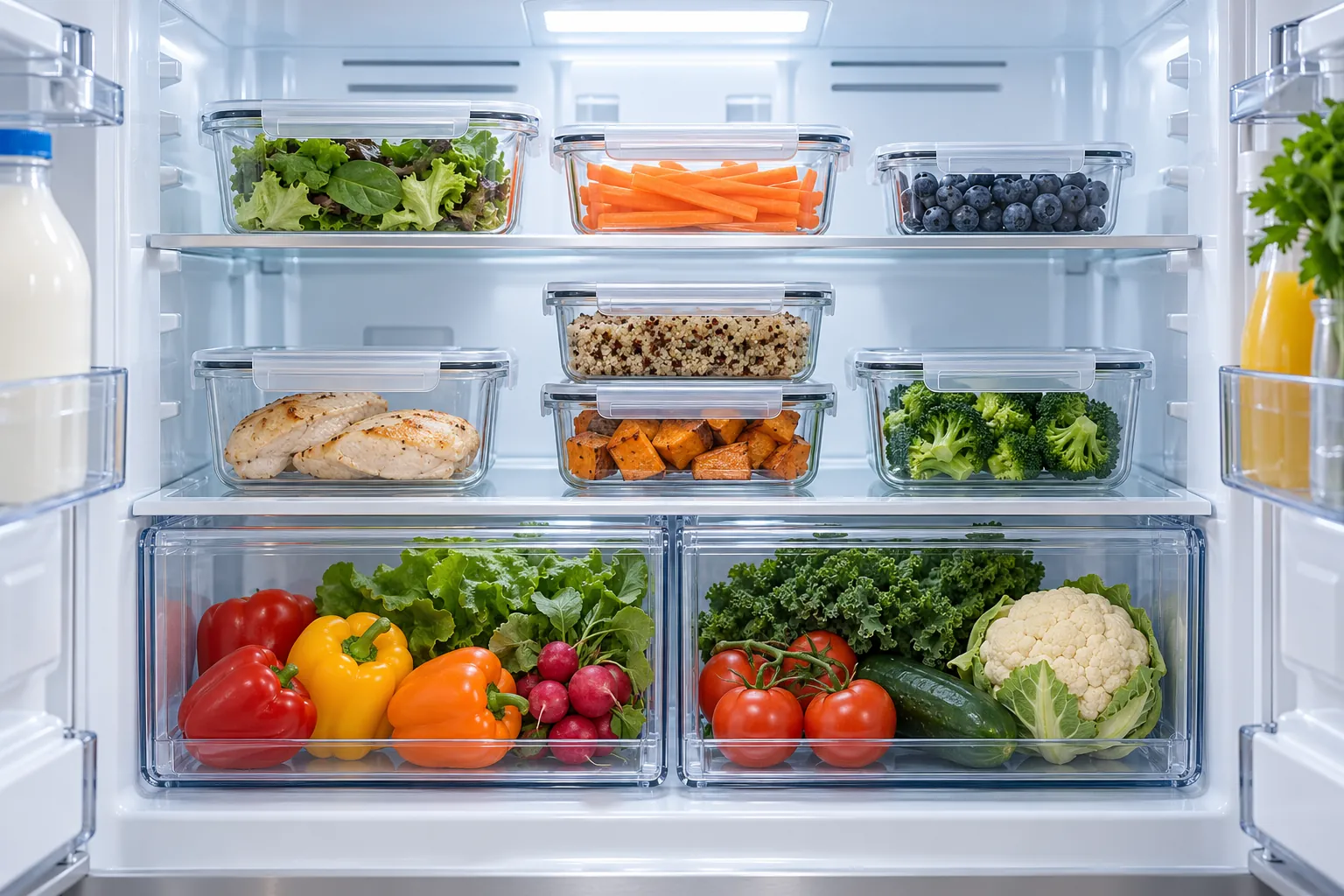
The WHO manual's safe-temperature section explains that microorganisms can multiply quickly in food stored at room temperature. Holding food below 5°C or above 60°C slows or stops their growth, although some dangerous microorganisms can still grow below 5°C. Refrigeration is a control measure, not a certificate of invincibility.
For a UAE reader, consider a meal collected before a commute, left at reception and then kept beside a desk. This is a practical example, not a claim about how often local deliveries are mishandled. The point is to ask about every handover, not merely the final one.
How long can cooked food sit out?
WHO advises not leaving cooked food at room temperature for more than two hours, and refrigerating cooked and perishable food promptly. Its core temperature instructions, on printed page 18, specify refrigeration preferably below 5°C and hot holding above 60°C before serving.
The word worth noticing is promptly. Reading two hours as a target misses that instruction. The guidance is not a guarantee that every food is safe for two hours in every environment, and it does not establish a safe waiting period inside a parked car.
A useful question for a meal-prep supplier is: does this delivery arrive ready to eat hot, or chilled for refrigeration? Ask for the product's storage instructions and use-by information rather than assuming that every prepared meal follows the same timetable. A delivery notification is excellent at confirming arrival. It is rather less qualified to confirm temperature.
Does a cool room or insulated bag settle it?
No: neither the room's comfort nor the presence of a bag establishes the food's temperature history. The WHO temperature guidance concerns food storage conditions, not whether the surroundings feel pleasant.
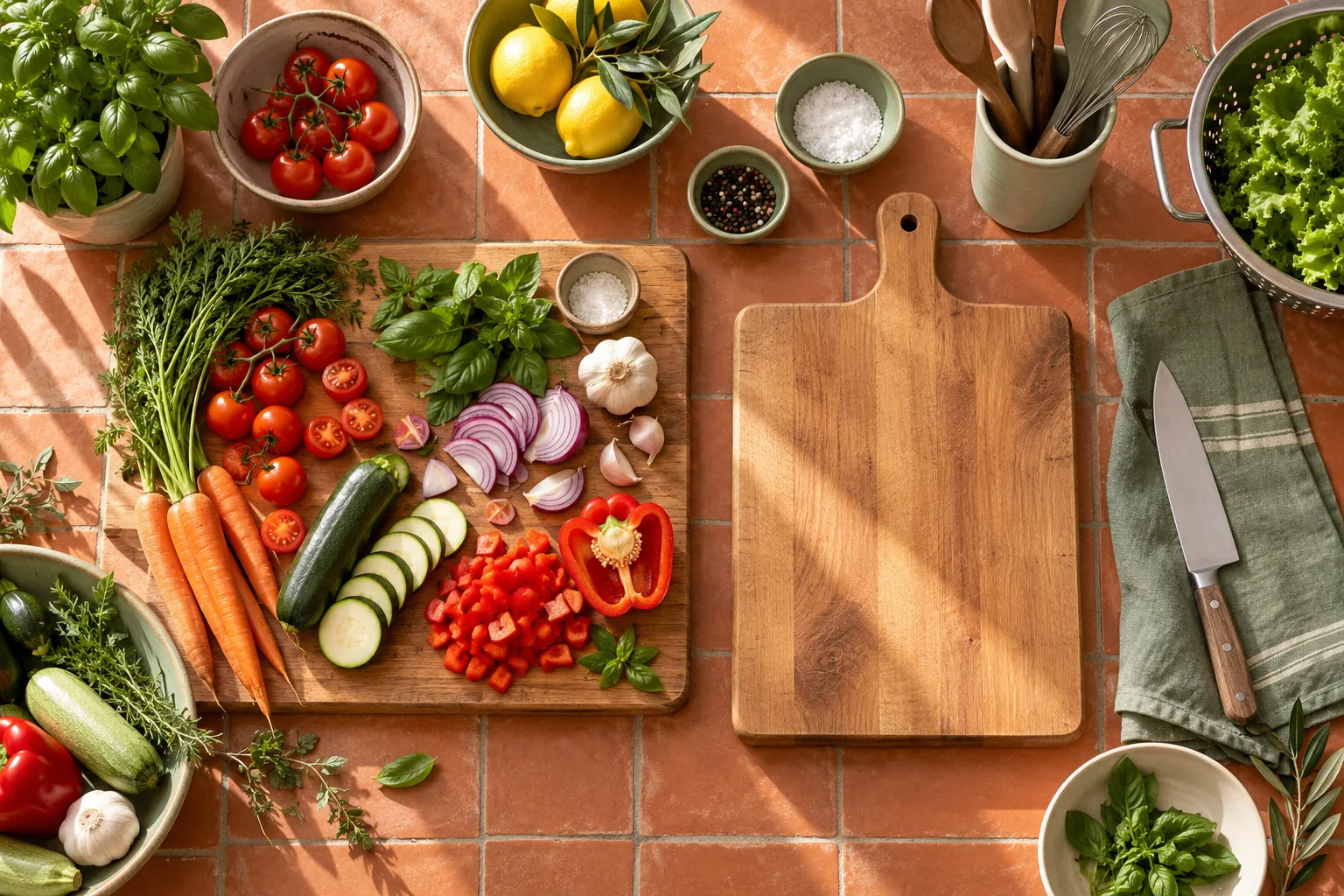
For a Dubai office lunch, separate three questions: how was the food transported, what storage does its label require, and where will it go after arrival? An insulated bag can be part of a transport arrangement, but the word insulated alone does not answer those questions. Nor does a photograph of an ice pack establish a measured temperature.
The editorial takeaway is simple: assess the process, not the accessory. This article cannot certify a lunch bag, delivery service or particular meal.
Can food smell fine and still be unsafe?
Yes: WHO says smell, taste and appearance are not good indicators of whether food will make someone ill. Its background explanation of microorganisms notes that most dangerous microorganisms do not change a food's appearance.
That makes a reassuring smell a poor substitute for a known storage history. This is not an invitation to taste questionable food to investigate it. When the history or instructions are unclear, the appropriate next step is to ask the supplier, not to invent a safety verdict.
Is food safety only about temperature?
No: temperature is one part of a wider handling system. The WHO's current safe-food-handling guidance lists five keys: keep clean, separate raw and cooked food, cook thoroughly, keep food at safe temperatures, and use safe water and raw materials.
A useful review of a home meal-prep routine therefore covers preparation as well as storage. A nutrition label cannot answer all of those questions. For the separate task of interpreting drink labels, our Dubai guide to energy drinks explains why caffeine, sugar and pack size deserve separate checks. Neither discussion substitutes for the other.
Where does mescreen™ fit?
mescreen™ belongs to a separate wellness discussion, not to deciding whether a meal is safe. The current mescreen™ UAE product page describes an at-home mitochondrial function assessment using a dried blood spot sample and laboratory analysis. It describes the service as wellness profiling, not diagnostic, and says it is not intended to diagnose, treat or cure a medical condition.
For a separate look at the site's wellness offering, you can review the 90-second health check. Neither that next step nor this article should be used to assess suspected foodborne illness.
Limitations
This is general information, not personalised medical advice, a restaurant inspection or a food-business compliance guide. It does not establish whether a particular meal is safe, prescribe a storage life for every food or interpret symptoms. The temperature figures are WHO consumer guidance, not a statement of current UAE commercial food regulations.

The WHO manual dates from 2006; its Five Keys framework remains presented on the WHO's current safe-food-handling page. This article uses its handling instructions, not its older disease-burden estimates. Product-specific instructions and use-by information still matter. For symptoms or a suspected illness, seek advice from a licensed healthcare professional in the UAE rather than using a wellness assessment.
Sources
- Five keys to safer food manual, World Health Organization, 2006. Relevant sections: microorganisms, printed page 7; safe temperatures, printed page 18.
- Promoting safe food handling, World Health Organization.
- Mescreen Mitochondrial Function Assessment, mescreen™ UAE.