
What Are Mitochondria and Why They Matter?
Every single moment of your life, from breathing and thinking to moving and healing – depends on tiny structures inside your cells that most people have never heard of! These remarkable organelles are working tirelessly right now, keeping you alive and energised.
Understanding what “Mitochondria” are and why they matter could be the key to unlocking better health, more energy, and a deeper appreciation for the incredible biology that powers your existence.
So, What Are Mitochondria?
Mitochondria are microscopic structures found inside nearly every cell in your body. Think of them as tiny power stations, working around the clock to produce the energy your cells need to function. Whilst they’re incredibly small – you’d need an electron microscope to see them properly – their impact on your health and wellbeing is absolutely enormous.
These remarkable organelles are found in numbers that vary depending on the cell type. A typical cell might contain anywhere from a few hundred to several thousand of them. Cells that require lots of energy, such as those in your heart, brain, and muscles, contain particularly high numbers. Your heart cells, for instance, can pack in up to 5,000 of them each, reflecting the constant energy demands of keeping your heart beating.
What makes them particularly fascinating is that they have their own DNA, separate from the DNA in your cell’s nucleus. This has led scientists to believe that these organelles were once independent bacteria that entered into a symbiotic relationship with our cells billions of years ago. This unique origin story makes them unlike any other structure in your body!
The Mitochondria Structure: A Closer Look
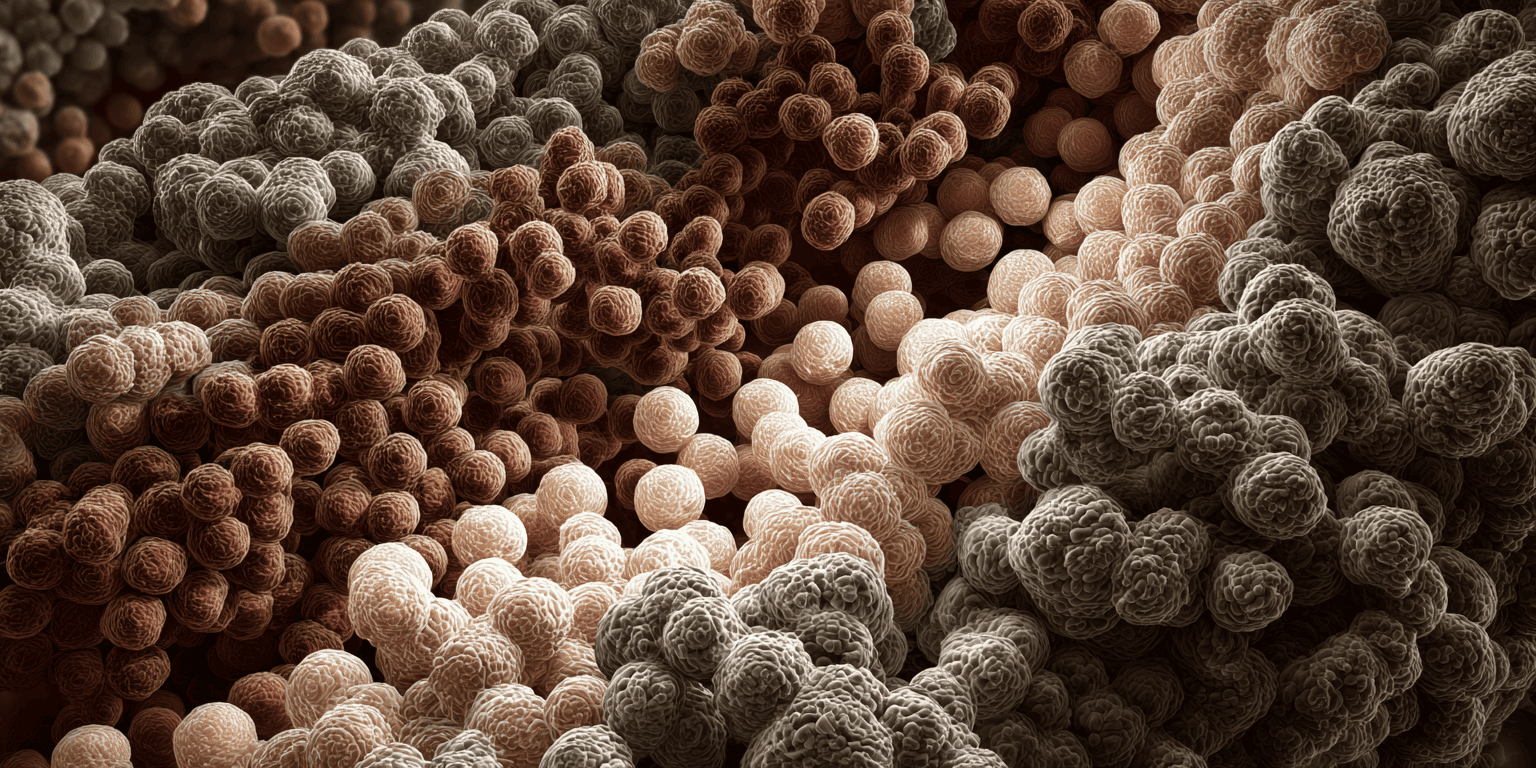
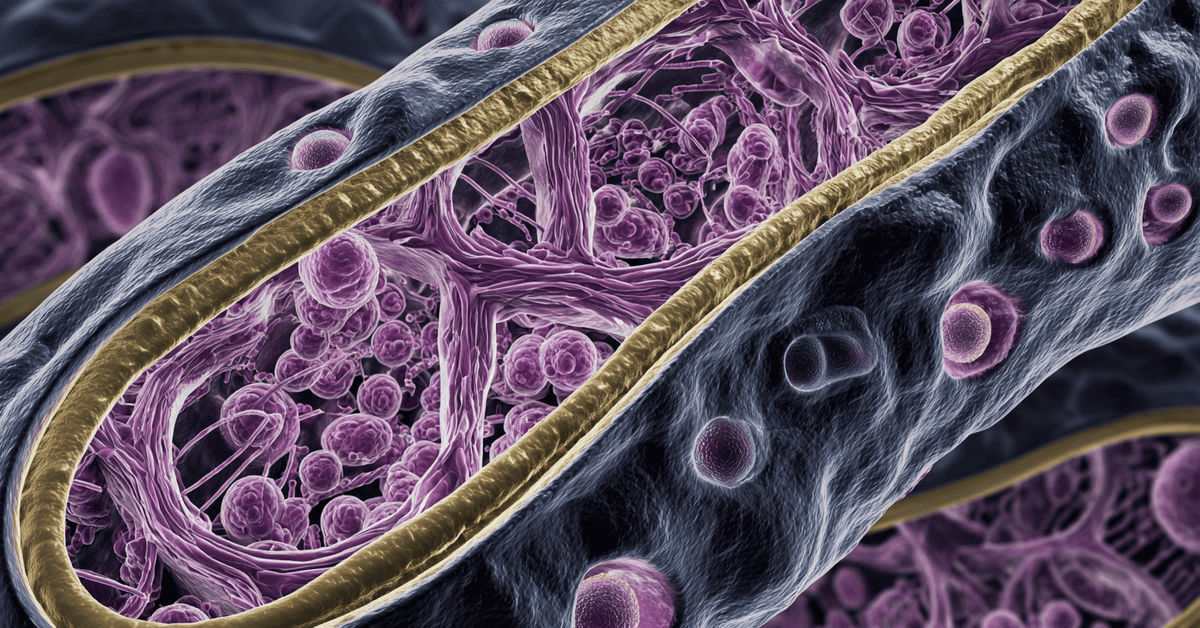
Understanding the structure of mitochondria helps explain why they’re so efficient at their job. These organelles have a distinctive double-membrane structure that’s crucial to their function. The outer membrane is smooth and acts as a protective barrier, whilst the inner membrane is highly folded, creating structures called cristae.
These folds aren’t just for show! They dramatically increase the surface area available for energy production. Imagine trying to work on a flat sheet versus a corrugated surface with lots of ridges and valleys. The folded structure provides much more space for the chemical reactions that generate energy.
Inside the inner membrane lies the mitochondrial matrix, a gel-like substance containing enzymes, DNA, and ribosomes. This matrix is where some of the most important chemical reactions in your body take place. The space between the outer and inner membranes, called the intermembrane space, also plays a vital role in energy production.
The cristae contain proteins that are essential for the final stages of energy production. These proteins form what scientists call the electron transport chain, a series of molecules that work together like a molecular assembly line to create energy in a form your cells can use.
What Are the Mitochondria Functions?

Their primary function is to produce adenosine triphosphate, or ATP – the energy currency of your cells. Every action your body performs, from contracting a muscle to firing a neuron, requires ATP. Without adequate ATP production, your cells simply cannot function properly.
The process of creating ATP is called cellular respiration, and it’s remarkably efficient. These organelles take the food you eat, primarily glucose from carbohydrates, and convert it into ATP through a series of complex chemical reactions. This process requires oxygen, which is why breathing is so essential to life.
Beyond energy production, they serve several other crucial functions. They play a key role in regulating cell death, a process called “apoptosis”. This might sound negative, but controlled cell death is actually essential for health. It allows your body to remove damaged or unnecessary cells and helps prevent diseases like cancer.
They also help regulate calcium levels within cells. Calcium acts as an important signalling molecule, and mitochondria can quickly absorb or release calcium to help cells communicate and function properly. This is particularly important in muscle cells, where calcium triggers muscle contraction.
Additionally, they are involved in heat production, particularly in brown fat tissue. This process, called thermogenesis, helps maintain your body temperature in cold conditions. Some research suggests that enhancing mitochondrial function in brown fat could even help with weight management.
These organelles also participate in the synthesis of certain molecules your body needs, including some hormones and components of cell membranes. They’re truly multi-tasking powerhouses that do far more than simply produce energy.
Why Mitochondria Is Known as the Powerhouse of the Cell
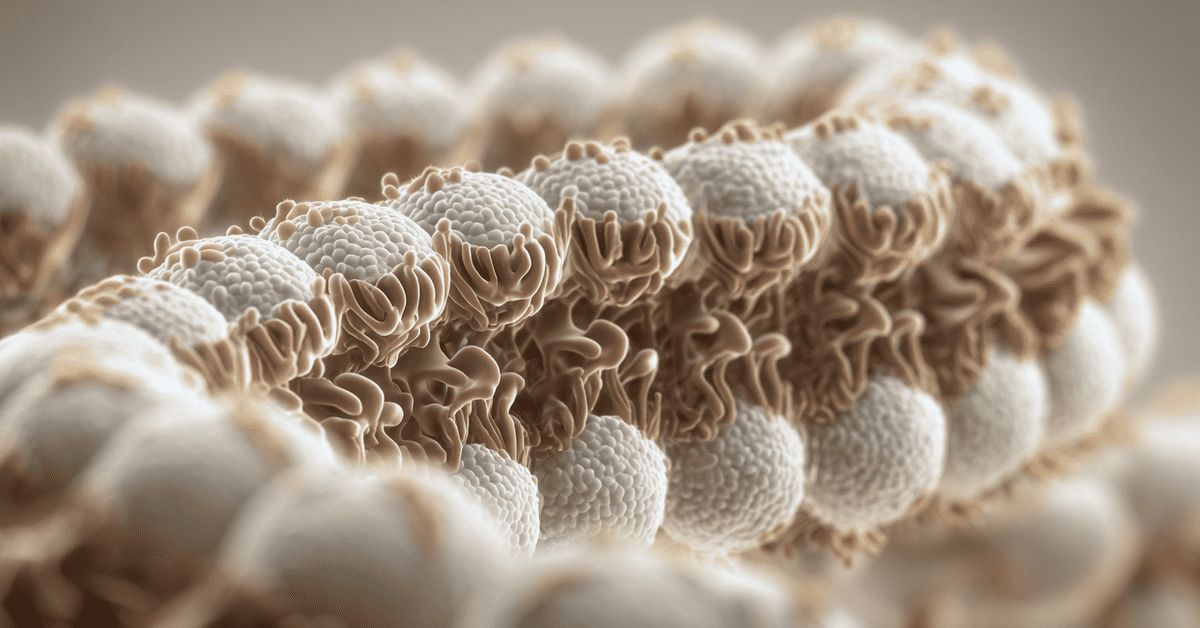
The nickname “powerhouse of the cell” is well-deserved when you consider the sheer amount of energy these organelles produce. Each day, they generate approximately 50-70 kilograms of ATP, roughly equivalent to your body weight. This ATP is constantly being produced, used, and recycled throughout the day.
The efficiency of mitochondrial energy production is remarkable. Through cellular respiration, these can extract about 34-38 molecules of ATP from a single glucose molecule. Compare this to the process of glycolysis (which occurs outside mitochondria), which produces only 2 ATP molecules from the same glucose. This dramatic difference in efficiency is why they have earned their powerhouse reputation.
The process works through several stages. First, glucose is broken down in the cell’s cytoplasm through glycolysis. The products then enter the mitochondria, where they undergo further processing in the citric acid cycle (also called the Krebs cycle). Finally, the electron transport chain in the inner mitochondrial membrane produces the bulk of ATP.
This intricate system requires oxygen, which is why we need to breathe constantly. The oxygen you inhale travels through your bloodstream to your cells, where mitochondria use it in the final steps of energy production. Without oxygen, these organelles cannot function efficiently, which is why you feel tired and weak when you cannot breathe properly.
The powerhouse metaphor also reflects how mitochondria respond to energy demands. When you exercise or engage in mentally demanding tasks, your cells need more ATP. These organelles can ramp up production quickly to meet these demands. Over time, regular exercise can even increase the number and efficiency of mitochondria in your cells, a process called “Mitochondrial biogenesis”.
Mitochondrial Disease: When Power Stations Fail
Whilst they are incredibly robust, sometimes things can go wrong. Mitochondrial disease refers to a group of disorders that occur when mitochondria fail to produce enough energy for cells to function properly. These conditions can be inherited or acquired and affect approximately 1 in 5,000 people.
Because they are found in nearly every cell, mitochondrial disease can affect virtually any organ system. However, it tends to impact organs with high energy demands most severely, including the brain, heart, muscles, and eyes. Symptoms can vary enormously depending on which cells are affected and how severe the dysfunction is.
Common symptoms of the disease include extreme fatigue, muscle weakness, exercise intolerance, and developmental delays in children. Some people experience neurological problems, including seizures, strokes, and difficulties with movement or coordination. Vision and hearing problems are also common, as are heart and liver issues.
Diagnosing mitochondrial disease can be challenging because symptoms often overlap with other conditions. Doctors may use a combination of genetic testing, muscle biopsies, and metabolic testing to reach a diagnosis. Treatment typically focuses on managing symptoms and supporting organelle function through dietary supplements, exercise programmes, and avoiding triggers that stress mitochondria.
Research into mitochondrial disease is advancing rapidly. Scientists are exploring potential treatments including gene therapy, mitochondrial replacement therapy, and compounds that might enhance their function. Understanding these diseases also provides insights into more common conditions where organelle dysfunction plays a role, including Diabetes, Parkinson’s disease, and Alzheimer’s disease.
Supporting Your Mitochondrial Health
The good news is that you can take steps to support healthy mitochondrial function. Regular exercise is one of the most powerful interventions. Both aerobic exercise and strength training have been shown to increase their numbers and improve their efficiency. Even moderate activity, such as brisk walking, can make a difference.
Nutrition plays a crucial role too. These tiny organelles need specific nutrients to function optimally, including B vitamins, coenzyme Q10, magnesium, and antioxidants. A diet rich in colourful vegetables, fruits, whole grains, and healthy fats provides these essential nutrients. Some people choose to supplement, particularly with coenzyme Q10, though it’s best to consult a healthcare provider first.
Getting adequate sleep is essential for mitochondrial health. During sleep, your body repairs and regenerates mitochondria. Chronic sleep deprivation can impair function and reduce energy production. Aim for 7-9 hours of quality sleep each night.
Managing stress is equally important. Chronic stress can damage mitochondria and impair their function. Practices such as meditation, yoga, and deep breathing can help reduce stress and support organelle health. Some research suggests that these practices may even promote mitochondrial biogenesis.
Avoiding toxins is another key factor. Environmental toxins, excessive alcohol, and certain medications can damage mitochondria. Whilst you cannot avoid all toxins, minimising exposure where possible helps protect these vital organelles.
The Future of Mitochondrial Research

Scientific understanding of mitochondria continues to evolve, opening exciting possibilities for health and medicine. Researchers are investigating how their dysfunction contributes to aging and age-related diseases. Some scientists believe that keeping them healthy could be key to extending healthspan, the number of years we live in good health.
Emerging research suggests links between mitochondrial function and mental health. Studies indicate that their dysfunction may play a role in depression, anxiety, and other mood disorders. This has led to investigation of mitochondrial-targeted treatments for mental health conditions.
The field of mitochondrial medicine is also advancing rapidly. Techniques such as mitochondrial replacement therapy offer hope for preventing inherited mitochondrial diseases. This involves replacing defective mitochondria with healthy ones, potentially eliminating certain genetic diseases before birth.
Understanding these organelles also has implications for athletic performance and recovery. Athletes and sports scientists are increasingly interested in optimising mitochondrial function to enhance endurance and speed recovery. This knowledge is filtering down to everyday wellness enthusiasts looking to improve their vitality and resilience.
Why This Matters to You
Understanding what mitochondria are and why they matter isn’t just academic knowledge, it’s information that can transform your approach to health and wellness. These tiny powerhouses influence virtually every aspect of your physical and mental wellbeing, from your energy levels and exercise capacity to your risk of chronic disease and how you age.
By recognising the central role they play in your health, you can make informed choices that support their function. Whether it’s choosing to take the stairs, eating more colourful vegetables, prioritising sleep, or managing stress, every positive health behaviour ultimately benefits these tiny but powerful cellular organelles.
The remarkable story of mitochondria – from their bacterial origins to their crucial role in human health – reminds us of the incredible complexity and interconnectedness of life. These microscopic structures, working silently within trillions of cells, make every moment of your life possible. They truly are the unsung heroes of human biology, deserving of recognition and care.
As research continues to unveil the secrets of mitochondrial function, we’re likely to discover even more ways to support these vital organelles. For now, the message is clear: taking care of your mitochondria is taking care of your health at the most fundamental level. Understanding what they are and why they matter is the first step towards harnessing their power for optimal wellness.