
Mitochondria and Cancer Treatment Resistance: What Doctors Skip
Home » Blog » Mitochondrial Dysfunction » Cancer and Mitochondria
Reviewed & Edited by: Dr. Dooa Arif, Content Strategist
Estimated Reading Time: 7 minutes
Table of Contents
TL;DR
The connection between mitochondria and cancer treatment resistance is a game-changer in how we understand cancer biology and treatment outcomes. Mitochondria, the energy-producing organelles in cells, are often overlooked in research, yet they are central to the development and survival of cancer cells. Their ability to adapt, repair damage, and resist treatment mechanisms like chemotherapy makes them key players in relapse. Understanding how these cells rewire their mitochondria to survive treatment opens up new possibilities for more targeted therapies that address mitochondrial dysfunction. Supporting mitochondrial health, even during remission, could play a significant role in improving long-term outcomes and preventing relapse, emphasizing the need for a holistic approach to cancer care.
Most cancer awareness campaigns focus on early detection, lifestyle factors, and treatment options. Rarely do they zoom in on the microscopic drama happening inside cancer cells themselves – specifically, in the mitochondria.
Mitochondria are often called the powerhouses of the cell, and for good reason. They generate the energy that keeps every cell in your body running. But in cancer, something goes quietly, profoundly wrong with this energy system – and it’s one of the biggest reasons treatments sometimes stop working.
Understanding the causes means looking beyond genetics and environment. It means asking: what’s happening inside the cell’s own energy factory?
How Mitochondria in Cancer Cells Behave Differently
Healthy mitochondria produce energy efficiently using oxygen. Cancer cells, however, tend to rewire this process. Even when oxygen is available, many such cells prefer a faster, less efficient energy route – a phenomenon sometimes called the Warburg Effect¹.
This metabolic shift isn’t just a quirk. It’s a survival strategy. By switching energy pathways, these cells can grow rapidly, avoid signals that would normally trigger cell death, and adapt to hostile environments – including the presence of chemotherapy drugs.
Mitochondria in cancer cells also communicate differently with the rest of the cell. They send altered signals that suppress the body’s natural clean-up systems, allowing damaged or mutant cells to survive far longer than they should.
Key Takeaway: Mitochondria in affected cells rewire their energy production to fuel rapid, uncontrolled growth.
Why Treatment Resistance Happens And What's Really Going On
Here’s what many oncology conversations skip: treatment resistance is often a mitochondrial story. When chemotherapy or radiation attacks cancer cells, some cells survive – not by luck, but because their mitochondria have adapted.
These resilient cells can:
- Repair DNA damage faster than treatment can cause it
- Shift energy production to avoid drug-targeted pathways
- Release protective signals that shield neighbouring such cells
- Suppress the cellular death process that treatments rely upon
- Evolve new mitochondrial mutations that make them harder to kill
This is why remission, while deeply hopeful, is sometimes followed by relapse. The cells that survived treatment were often the most mitochondrially resilient – and they pass those traits on.
Key Takeaway: Treatment resistance is frequently rooted in mitochondrial adaptation rather than random genetic luck. Surviving cancer cells are often the most metabolically tough – and the most dangerous.
Cancer Characteristics That Make Resistance Possible
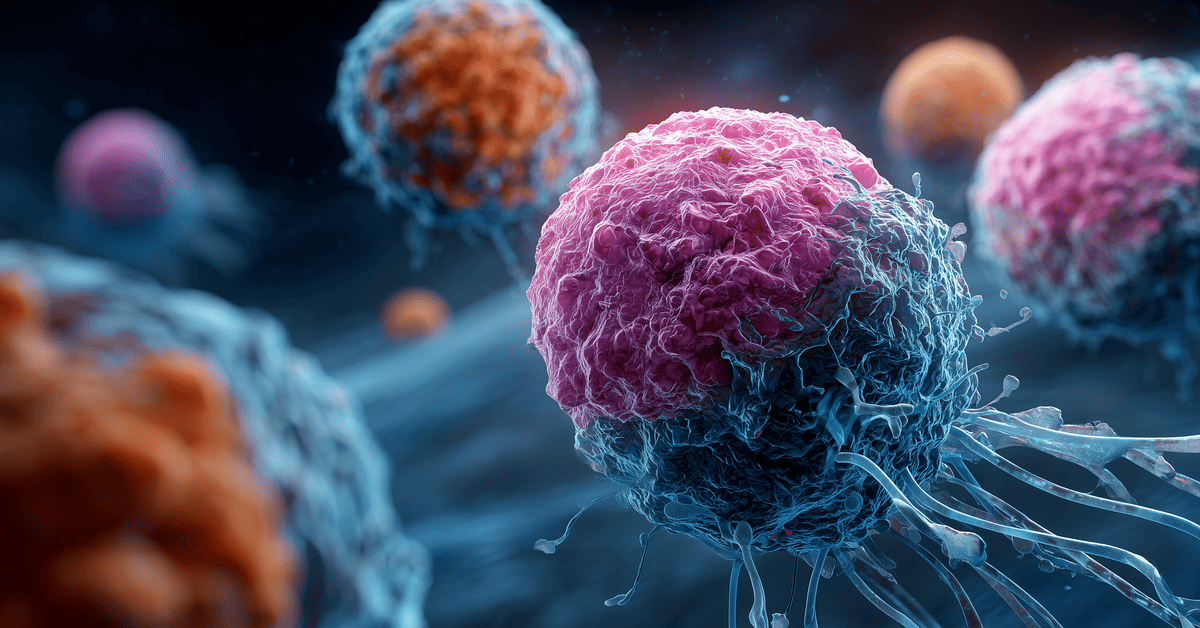
Certain characteristics make mitochondrial resistance more likely. Tumours that grow in low-oxygen environments, for instance, tend to have mitochondria that are especially skilled at switching energy modes. Tumours with high rates of genetic mutation may also develop mitochondrial changes more quickly.
Interestingly, the very characteristics that make a tumour aggressive – fast growth, high adaptability, resistance to stress – are also the traits most closely linked to mitochondrial dysfunction. This isn’t coincidence. The mitochondria are partly orchestrating these behaviours.
Key Takeaways: Aggressive characteristics are deeply tied to how mitochondria function within tumour cells.
Symptoms in Women and the Mitochondrial Link
The symptoms in women are sometimes subtler and more easily dismissed – fatigue, bloating, persistent back pain, or unexplained weight changes. What’s striking is that many of these symptoms overlap with signs of mitochondrial dysfunction in healthy cells too.
When mitochondria across the body are under stress – whether from a developing tumour or from treatment itself – the whole system can feel the strain. Women may notice energy crashes, cognitive fog, or hormonal disruption that goes unexplained.
This connection doesn’t mean every fatigue spell signals cancer. But it does highlight why mitochondrial health matters as part of broader awareness – and why symptoms in women deserve more careful, holistic investigation.
Key Takeaway: Cancer symptoms in women often mirror signs of broader mitochondrial stress throughout the body.
What Remission Really Means at a Cellular Level

Remission of cancer is a beautiful milestone – but it doesn’t always mean every affected cell is gone. Some may persist in a dormant state, their mitochondria quietly ticking over, waiting for conditions to change.
This is one reason why lifestyle factors matter so much after a diagnosis or during remission. Diet, sleep, stress management, and movement all directly influence mitochondrial health – and therefore the environment in which any remaining cells exist.
Supporting your mitochondria during remission isn’t about fear. It’s about giving your body the best possible cellular conditions to maintain that hard-won healing.
Key Takeaways: Remission does not always guarantee complete cellular clearance – dormant cells may linger.
What You Can Do: Supporting Mitochondrial Health
You don’t need to be in treatment to care about your mitochondria. Supporting them is one of the smartest things anyone can do for long-term cellular health.
Practical steps that support healthy mitochondrial function include:
- Prioritising sleep, as deep rest is when mitochondria repair and regenerate most actively
- Eating a diet rich in colourful vegetables, healthy fats, and quality proteins
- Moving your body regularly, as exercise is one of the most powerful mitochondrial stimulators known
- Managing chronic stress, which directly impairs mitochondrial efficiency
- Reducing exposure to environmental toxins that disrupt mitochondrial membranes
These habits won’t guarantee immunity from illness, but they create a cellular environment where resilience – not resistance – becomes the norm.
Key Takeaways: Everyday lifestyle choices have a measurable impact on mitochondrial function and cellular resilience. Proactive mitochondrial care is relevant for everyone – not just those navigating a cancer diagnosis.
FAQs
Mitochondria affect cancer by regulating energy production, cell survival, and apoptosis, with dysfunction promoting uncontrolled cell growth, resistance to treatment, and metastasis.
T lymphocytes (T cells) destroy these cells by recognizing and attacking them, with mitochondria playing a crucial role in triggering the cell death process (apoptosis).
References
- Liberti, M. V., & Locasale, J. W. (2016). The Warburg Effect: How does it benefit cancer cells? Trends in Biochemical Sciences, 41(3), 211–218. https://www.ncbi.nlm.nih.gov/pmc/articles/PMC4783224/