
How Mitochondria Affect Gut Health and Digestion
Reviewed & Edited by: Dr. Dooa Arif, Content Strategist
Estimated Reading Time: 6 minutes
Table of Contents
TL;DR
Your gut health depends on more than just the food you eat - it relies heavily on the microscopic energy factories within your intestinal cells called mitochondria. These cellular powerhouses fuel every aspect of digestion, from nutrient absorption to maintaining the protective gut barrier. When they function optimally, your digestive system thrives, supporting everything from regular bowel movements to immune defence. Explore the fascinating connection between mitochondrial health and gut function, revealing how cellular energy production shapes your digestive wellness and know how to support both systems simultaneously!
Your digestive system ranks amongst the most energy-demanding systems in your body. Every moment, countless cells lining your intestinal tract work tirelessly – absorbing nutrients, producing protective mucus, and defending against harmful invaders. This continuous activity requires enormous amounts of cellular fuel, and that’s precisely where mitochondria step onto the stage.
The cells forming your gut lining contain particularly high concentrations of this organelle. Think of your intestinal epithelium as a bustling factory where workers need constant energy to maintain production. These organelles generate adenosine triphosphate (ATP), the universal energy currency that powers every cellular function. Without adequate organelle support, your digestive processes simply cannot operate at optimal capacity.
Mitochondria and Intestinal Barrier Integrity
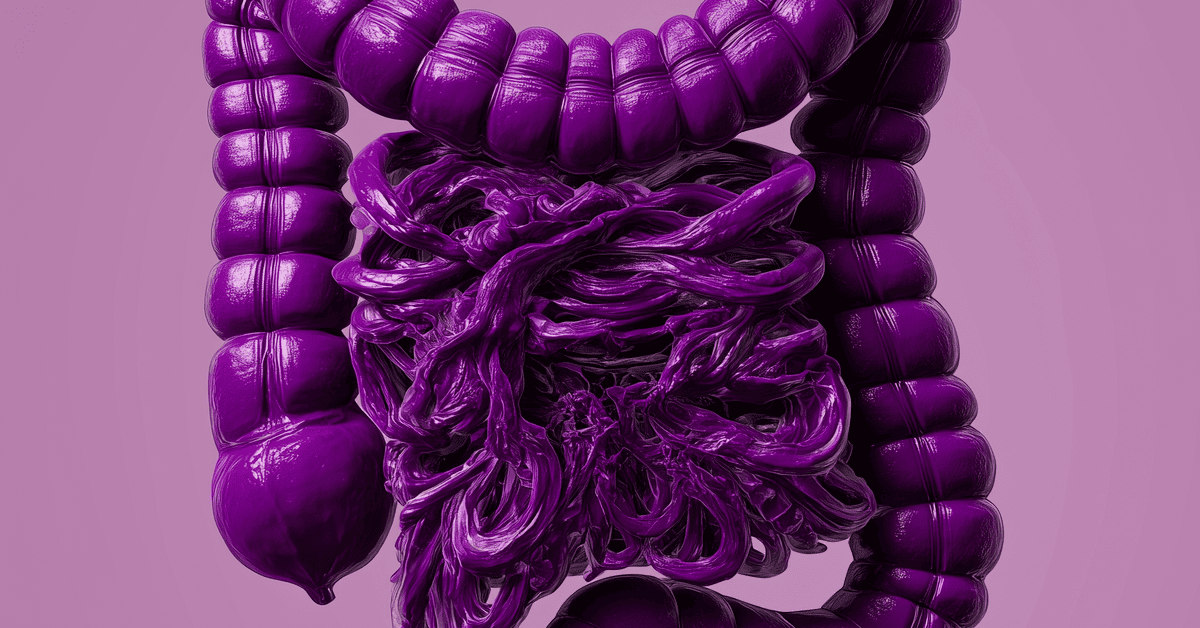
Your gut barrier serves as a selective gateway, allowing beneficial nutrients through whilst blocking toxins and pathogens. This remarkable feat requires constant energy, supplied exclusively by mitochondria. The tight junctions between intestinal cells act like sophisticated locks, and maintaining these connections demands substantial cellular power.
When mitochondrial function declines, these protective barriers weaken. The intestinal lining becomes more permeable – a condition often described as leaky gut. This compromise allows unwanted substances to pass through, potentially triggering inflammation and immune responses. It is estimated that more than 50% of mitochondrial disorders present some form of gastrointestinal compromise¹.
Healthy mitochondria essentially keep your gut’s security system functioning properly.
The relationship between digestion and barrier function creates a fascinating cycle. Strong organelle health supports robust barriers, which in turn protect mitochondria from oxidative damage caused by inflammatory compounds. Supporting your mitochondria healthy foods intake becomes crucial for maintaining this protective relationship.
Key Takeaways: These organelles power the tight junctions that maintain gut barrier integrity.
Cellular Power and Nutrient Absorption
Absorbing nutrients from food involves far more complexity than you might imagine. Each villus – the finger-like projections lining your small intestine – contains thousands of cells packed with mitochondria. These cellular powerhouses fuel the active transport systems that move nutrients from your gut into your bloodstream.
Consider how your body absorbs iron, calcium, or B vitamins. These processes require specialised transport proteins that work against concentration gradients, demanding significant energy input. Without adequate organelle ATP production, nutrient absorption becomes inefficient regardless of dietary quality.
The connection between food choices and absorption efficiency works both ways. Certain nutrients your body absorbs – including B vitamins, magnesium, and coenzyme Q10 – directly support mitochondrial function. This creates a beneficial cycle where efficient absorption supports the very system enabling that absorption.
Your digestive system also relies on mitochondria to produce digestive enzymes. Pancreatic cells, which manufacture crucial digestive enzymes, contain particularly dense mitochondrial populations. These powerhouses enable enzyme production that breaks down proteins, fats, and carbohydrates into absorbable units.
Key Takeaways: Active nutrient transport requires substantial mitochondrial energy. Absorbed nutrients support mitochondria, creating a beneficial feedback loop.
The Mitochondria-Microbiome Connection
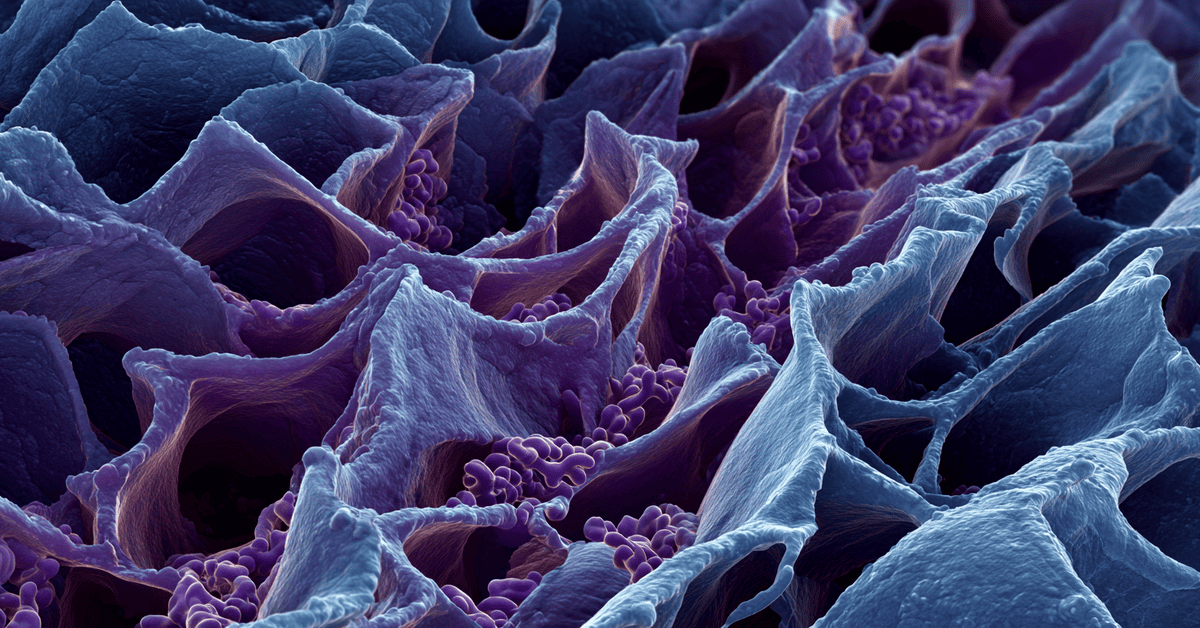
Your gut microbiome and mitochondria share a remarkable evolutionary relationship. Scientists believe these organelles descended from ancient bacteria, and this heritage influences how these organelles interact with modern gut bacteria. The relationship between your cellular powerhouses and intestinal microbes profoundly affects digestive health.
Beneficial gut bacteria produce compounds called short-chain fatty acids through fermenting dietary fibre. These molecules serve as preferred fuel sources for mitochondria in intestinal cells. When your microbiome thrives, it essentially feeds and supports your cellular energy systems.
Conversely, healthy mitochondria support a balanced microbiome. Mitochondrial dysfunction can trigger inflammation that disrupts microbial populations, allowing harmful species to flourish. This bidirectional relationship means supporting one system inherently benefits the other.
The mitochondria food you consume influences both players in this partnership. Fibre-rich whole foods feed beneficial bacteria whilst providing nutrients that support mitochondrial function. Processed foods, however, may starve beneficial microbes whilst promoting mitochondrial stress through oxidative compounds.
Key Takeaways: Gut bacteria produce compounds that fuel intestinal mitochondria. Mitochondrial health influences microbiome balance and diversity. Dietary choices simultaneously affect both systems.
Supporting Gut Mitochondria Through Diet

Building a mitochondrial health diet that supports digestive function centres on whole, nutrient-dense foods. Colourful vegetables provide antioxidants that protect this organelle from oxidative damage whilst supplying the fibre that feeds beneficial gut bacteria. Leafy greens, berries, and cruciferous vegetables offer particularly rich organelle support.
Healthy fats play crucial roles in both mitochondrial and gut health. Omega-3 fatty acids from sources like fatty fish, walnuts, and flaxseeds reduce inflammation that stresses both systems. The mitochondrial membranes themselves require quality fats to maintain optimal function.
Fermented foods deserve special mention in any gut-focused mitochondria food plan. Kimchi, sauerkraut, and kefir provide beneficial bacteria whilst containing compounds that support mitochondrial function. These traditional foods address both aspects of the gut-mitochondria relationship simultaneously.
Consider these healthy foods on priority:
- Colourful vegetables: Provide antioxidants protecting mitochondria whilst feeding beneficial bacteria
- Fatty fish: Supplies omega-3s reducing inflammation in both gut lining and cellular powerhouses
- Nuts and seeds: Offer minerals like magnesium essential for organelle enzyme function
- Fermented foods: Support microbiome diversity whilst providing mitochondrial cofactors
- Herbs and spices: Contain concentrated compounds protecting mitochondria from oxidative stress
Timing matters too. Regular meal patterns support circadian rhythms that influence both mitochondrial function and gut microbiome composition. Allowing adequate time between meals gives your digestive system opportunities to rest and repair, supporting long-term mitochondrial health.
Key Takeaways: Whole foods simultaneously support mitochondria and gut microbiome. Healthy fats and antioxidants protect mitochondria from digestive inflammation. Regular eating patterns support both mitochondrial and microbiome rhythms.
FAQs
Yes, gut health is crucial as it impacts nutrient absorption and the overall inflammatory environment, which can influence mitochondrial function.
Foods rich in antioxidants, healthy fats, and vitamins, such as leafy greens, berries, fatty fish, nuts, and seeds, support organelle repair and function.
References
- Finsterer, J., & Frank, M. (2016). Gastrointestinal manifestations of disorders: A systematic review. Therapeutic Advances in Gastroenterology, 10(1), 142–154. https://doi.org/10.1177/1756283X16666806