
How Olive Oil Improves Mitochondrial Function
Reviewed & Edited by: Dr. Dooa Arif, Content Strategist
Estimated Reading Time: 7 minutes
Table of Contents
TL;DR
Olive oil, particularly extra virgin varieties, stands out as a powerful ally in enhancing mitochondrial health and energy production. The unique combination of monounsaturated fats, polyphenols, and fat-soluble vitamins in this Mediterranean superfood not only supports mitochondrial function but also helps protect against oxidative damage, promotes efficient ATP synthesis, and boosts overall cellular resilience.
Your mitochondria work tirelessly to convert nutrients into adenosine triphosphate (ATP), the energy currency powering every cellular function in your body. These microscopic powerhouses depend heavily on the quality of fats you consume, and this is where olive oil extra virgin varieties shine brilliantly. Unlike many cooking oils that can burden cellular machinery, it provides the precise molecular structure your mitochondria prefer for optimal function.
The monounsaturated fatty acids in this oil integrate seamlessly into mitochondrial membranes, creating the ideal environment for energy production. Think of it as providing premium fuel to a high-performance engine. When your mitochondrial membranes incorporate these healthy fats, they maintain better fluidity and flexibility, allowing nutrients to flow in and waste products to exit efficiently. This smooth operation translates directly to increased energy levels you can feel throughout your day.
What makes this oil particularly special is its ability to reduce the metabolic stress your mitochondria experience during energy production. Every time your cells generate ATP, they also create reactive oxygen species as byproducts.The unique composition of this oil helps buffer this oxidative pressure, allowing your cellular powerhouses to function without accumulating damage over time.
How Polyphenols Protect Your Mitochondrial Membrane
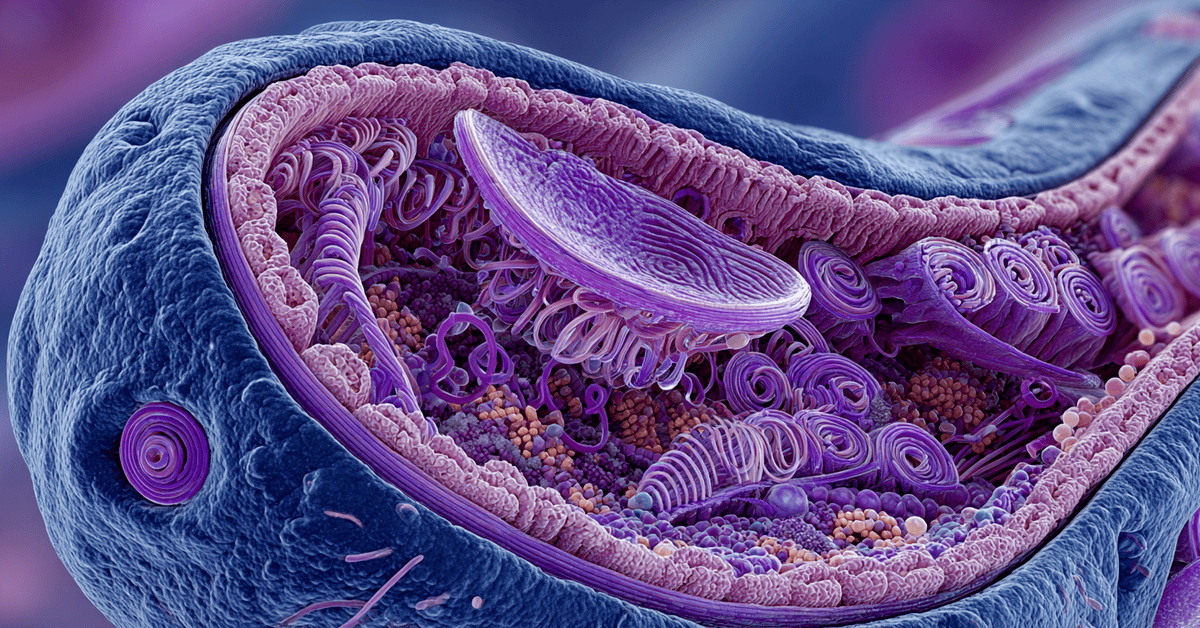
The polyphenolic compounds in extra virgin olive oil act as microscopic shields for your mitochondria. These plant-derived molecules, including hydroxytyrosol and oleuropein, possess remarkable antioxidant properties that neutralize harmful free radicals before they can damage delicate mitochondrial structures. Your mitochondrial membrane contains complex protein machinery essential for energy production, and polyphenols ensure this equipment remains intact and functional.
Beyond simple antioxidant action, these compounds actively communicate with your mitochondrial DNA, triggering beneficial adaptive responses. They encourage mitochondria to produce their own internal antioxidant systems, creating a self-sustaining cycle of protection. This process, known as hormesis, strengthens your cellular powerhouses much like exercise strengthens muscles.
The polyphenol content also influences mitochondrial biogenesis¹ – your body’s production of new, healthy mitochondria. More mitochondria means greater energy capacity, improved metabolic flexibility, and enhanced cellular resilience. This explains why populations consuming this oil-rich diets often display better metabolic health and sustained vitality as they age.
Key Takeaway: Polyphenols neutralize free radicals that threaten mitochondrial integrity.
Extra Virgin Olive Oil Nutrition and Cellular Performance
When examining extra virgin olive oil nutrition, the profile reveals why this oil stands apart for mitochondrial support. Beyond its famous oleic acid content, it contains vitamin E, which protects mitochondrial membranes from lipid peroxidation – a process that can compromise energy production efficiency. The vitamin K present supports proper calcium handling within mitochondria, crucial for maintaining optimal energy metabolism.
The squalene found naturally in quality olive oil provides additional mitochondrial benefits. This compound helps maintain membrane integrity whilst supporting the electron transport chain, the final stage of ATP production where most cellular energy gets generated. When this chain operates smoothly, you experience steady energy levels without the peaks and crashes associated with metabolic dysfunction.
Is extra virgin olive oil good for you at the cellular level? Absolutely. The synergistic combination of fats, polyphenols, and fat-soluble vitamins creates an environment where mitochondria thrive. This nutritional complexity cannot be replicated by isolated supplements or refined oils, which explains why whole-food sources consistently demonstrate superior health benefits in traditional Mediterranean populations.
Key Takeaway: Vitamin E and K in the oil protect mitochondrial membranes and support calcium regulation.
The Temperature Factor: Cold Pressed vs Heat Processed
The distinction between cold pressed and heat-processed varieties matters enormously for mitochondrial health. Cold extraction preserves the delicate polyphenolic compounds and volatile antioxidants that heat destroys. When olives are pressed without exceeding natural temperatures, the resulting oil retains its full complement of mitochondrial-supporting molecules.
Heat processing damages the very compounds that make this oil beneficial for cellular energy. High temperatures during extraction break down polyphenols and alter fatty acid structures, creating molecules that may actually burden mitochondrial function rather than enhance it. The golden-green colour and peppery taste of quality cold-pressed oil indicate intact polyphenols ready to support your cellular powerhouses.
Choosing cold-pressed varieties ensures you receive the maximum mitochondrial benefits. These oils maintain their molecular integrity from grove to table, delivering the precise compounds your cells evolved to utilize efficiently. The slight premium in cost translates to substantially greater cellular benefits, making it a worthwhile investment in your long-term energy metabolism.
Key Takeaway: Cold extraction preserves heat-sensitive polyphenols essential for mitochondrial protection.
Cooking Methods That Preserve Mitochondrial Benefits
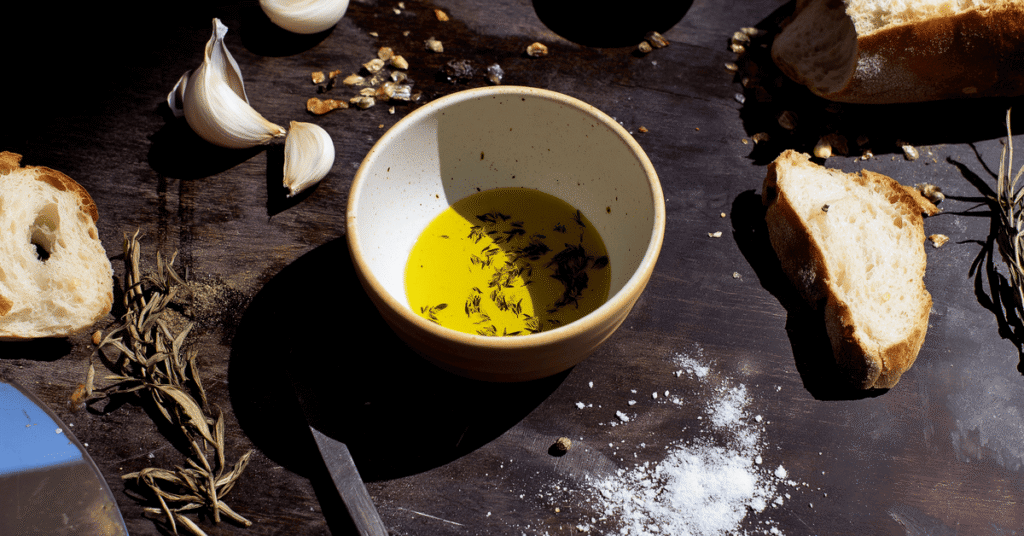
Understanding cooking techniques helps maximize mitochondrial advantages. Whilst extra virgin olive oil possesses reasonable heat stability, gentle cooking methods preserve more beneficial compounds. Drizzling raw oil over prepared vegetables, incorporating it into dressings, or adding it to dishes after cooking maintains the delicate polyphenols that support cellular energy.
When heating becomes necessary, medium-temperature sautéing proves ideal. The oil’s smoke point allows for flavourful cooking whilst minimizing oxidative damage to its beneficial components. Avoid extended high-heat exposure, which degrades both the polyphenols and the fatty acid structures your mitochondria prefer.
Consider finishing cooked dishes with a fresh drizzle of cold-pressed kind. This approach combines the practical benefits of cooking with heat-stable fats whilst delivering uncompromised mitochondrial-supporting compounds through the raw oil addition. Your cells receive the full spectrum of benefits this way.
- Drizzle raw oil over cooked vegetables to preserve all polyphenolic compounds
- Use medium-heat sautéing to balance cooking needs with nutritional preservation
- Add fresh oil as a finishing touch to maximize mitochondrial-supporting benefits
- Store oil away from light and heat to maintain its cellular health properties
- Rotate stock regularly to ensure you consume oil at peak freshness
Key Takeaways: Raw consumption preserves maximum polyphenol content for mitochondrial health.
FAQs
Yes, olive oil, especially extra virgin varieties, supports mitochondrial health by providing essential fats and antioxidants that enhance energy production and protect against oxidative damage.
Foods that repair and support mitochondrial health include olive oil, particularly extra virgin varieties, along with fatty fish (like salmon and mackerel), avocados, nuts, berries, leafy greens, and whole grains.
References
- Silva‑Soto, M. Á., Carrillo‑Fernández, P., Saez Lancellotti, E. T., Medina‑Jiménez, E., Mogaburo Alba, J. F., Catena‑Granados, N., López‑Carmona, M. D., Pérez‑Belmonte, L. M., Prieto Lain, N., Gómez Hernández, A. I., Gómez‑Huelgas, R., & Bernal‑López, M.‑R. (2025). Extra virgin olive oil phenolic compounds: Modulating mitochondrial function and protecting against chronic diseases - A narrative review. Nutrients, 17(9), 1443. https://doi.org/10.3390/nu17091443