
How Mitochondria Age and Why Your Energy Levels Decline
Home » Blog » Mitochondrial Dysfunction » How Mitochondria Age
Reviewed & Edited by: Dr. Dooa Arif, Content Strategist
Estimated Reading Time: 7 minutes
Table of Contents
TL;DR
As we age, mitochondrial function naturally declines, leading to reduced energy production and visible signs of aging like fatigue and skin changes. However, emerging research offers hope, showing that lifestyle adjustments such as regular exercise, a balanced diet rich in antioxidants, and sleep prioritization can help slow down this decline. Supporting mitochondrial health not only enhances vitality but may also hold the key to aging well and reducing age-related cellular damage.
You’ve probably heard mitochondria called the “powerhouse of the cell” – and it’s a nickname well earned. These tiny, bean-shaped structures sit inside almost every cell in your body, quietly converting the food you eat and the oxygen you breathe into usable energy. That energy fuels everything: your heartbeat, your thoughts, your digestion, even your mood.
But here’s the thing – mitochondria are not invincible. Like every other part of your body, they age. And when they do, the consequences ripple outward in ways you can actually feel and see.
Understanding how mitochondria age is one of the most compelling frontiers in modern wellness science. It shifts the conversation from “I’m just getting older” to “here’s what’s happening at a cellular level – and here’s what I can do about it.”
What Actually Happens When Mitochondria Age
The aging process doesn’t happen overnight. Inside your cells, it’s a slow accumulation of damage, inefficiency, and loss of function. As the years pass, mitochondria begin to change in some notable ways¹:
- They become fewer in number, so less energy is produced overall
- Their structure becomes irregular and less efficient
- They struggle to clear out damaged components through a process called mitophagy
- Communication between mitochondria and the cell nucleus weakens
- Their ability to adapt to physical or metabolic stress diminishes
What this means in practice is that your cells are working harder for less output. You might notice this as persistent fatigue, slower recovery after exercise, or a general sense of reduced vitality – the very hallmarks of aging that so many people experience but can’t quite explain.
Key Takeaways: Mitochondria naturally decline in number and efficiency as we age. This cellular shift underlies many of the energy-related symptoms people associate with getting older.
The Link Between Mitochondrial Decline and Aging Skin
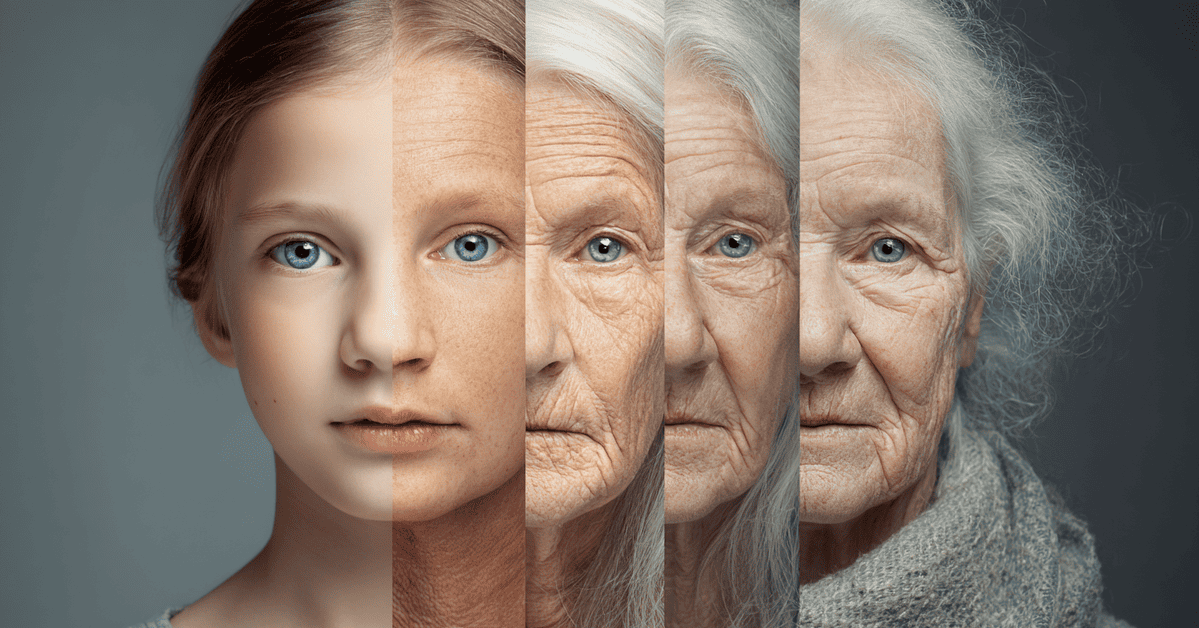
It might surprise you to learn that aging skin has a direct connection to what’s happening in your mitochondria. Skin cells – particularly the fibroblasts that produce collagen – are extraordinarily energy-demanding. When mitochondrial function declines, these cells can no longer perform at their best.
The result? Reduced collagen synthesis, slower cell turnover, and a diminished ability to repair UV damage. Over time, this contributes to the fine lines, loss of elasticity, and dullness that we associate with aging skin. Your complexion is, in a very real sense, a window into your cellular energy status.
This is why many researchers now view skin aging not merely as a surface issue, but as a reflection of deeper mitochondrial health.
Key Takeaways: Declining mitochondrial function directly affects skin cell performance, contributing to visible signs of aging skin.
Free Radicals: The Tiny Troublemakers
Central to understanding how mitochondria age is the concept of oxidative stress. As mitochondria produce energy, they also generate byproducts called free radicals – unstable molecules that can damage nearby structures if left unchecked.
In youth, the body manages this beautifully. Antioxidant defences are robust, and the damage is kept to a minimum. But as we age, this balance tips. Free radical production increases, antioxidant capacity decreases, and the cumulative damage to mitochondrial membranes, proteins, and DNA begins to mount.
Think of it like a factory that’s been running for decades – the machinery gets worn, the waste builds up, and efficiency drops. The factory doesn’t close, but it’s no longer performing at its peak.
Key Takeaways: Free radical accumulation over time is a primary driver of mitochondrial aging. A shift in the oxidative balance accelerates the decline in cellular energy production.
Why Mitochondrial DNA Is Uniquely Vulnerable
Unlike the DNA housed safely in your cell’s nucleus, mitochondrial DNA sits much closer to where energy – and free radical – production happens. It has fewer protective proteins and less sophisticated repair mechanisms, making it particularly susceptible to damage over time.
As errors accumulate in mitochondrial DNA across the aging process, the instructions mitochondria rely on to build and maintain themselves become increasingly corrupted. The result is a progressive loss of function that compounds with each passing decade.
This vulnerability is one reason why scientists studying aging reversal strategies pay such close attention to mitochondrial DNA integrity. It may be one of the most meaningful targets for future interventions.
Key Takeaways: Mitochondrial DNA is highly vulnerable to age-related damage due to its location and limited repair capacity.
Can We Support Aging Reversal at the Cellular Level?
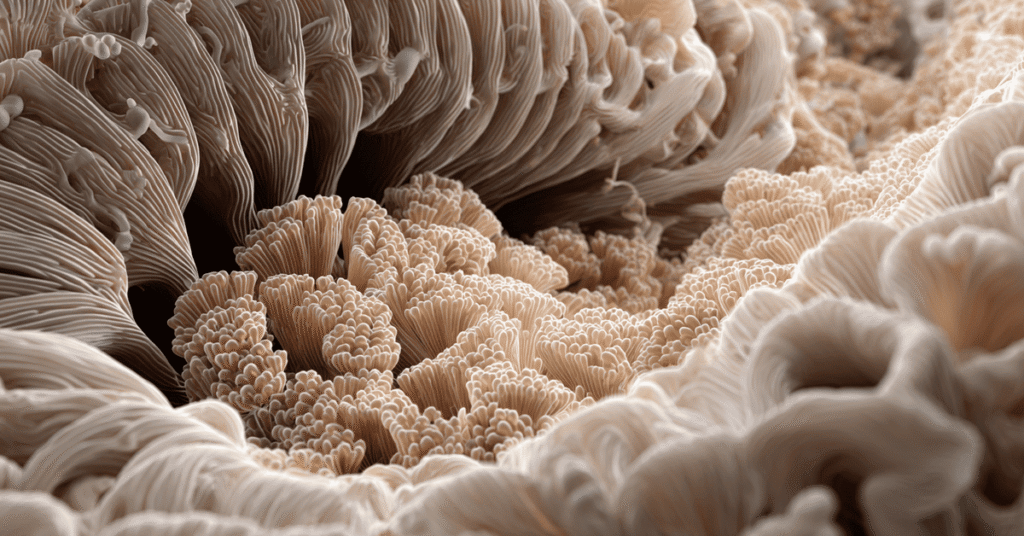
The idea of aging reversal sounds dramatic – perhaps even sci-fi. But at the cellular level, the conversation is more nuanced and genuinely exciting. Research into compounds like NAD+ precursors, urolithin A, and various polyphenols suggests that it may be possible to partially restore mitochondrial function in ageing cells.
Mitophagy – the cellular process of clearing out dysfunctional mitochondria – appears to be a key mechanism here. When this process works well, damaged mitochondria are removed and replaced. When it slows with age, the bad ones linger and drag the whole system down. Supporting mitophagy through targeted nutrition and lifestyle choices may be one of the most promising avenues for aging reversal at a cellular level.
Key Takeaway: Emerging research supports the idea that mitochondrial function can be partially restored.
Lifestyle Habits That Support Aging Well
There is a growing body of evidence showing that daily lifestyle choices have a profound impact on mitochondrial health.
The most impactful habits include:
- Regular movement: Exercise – particularly aerobic and resistance training – is one of the most powerful stimuli for mitochondrial biogenesis (the creation of new mitochondria)
- Intermittent fasting or time-restricted eating: These approaches activate cellular clean-up pathways that benefit mitochondrial quality
- Prioritising sleep: Deep sleep is when mitochondrial repair and regeneration are most active
- Eating a nutrient-dense, whole-food diet: Rich in polyphenols, healthy fats, and B vitamins to support the energy production chain
- Managing chronic stress: Prolonged stress hormones impair mitochondrial efficiency and accelerate the aging process
Key Takeaways: Exercise, quality sleep, mindful eating, and stress management are powerful tools for supporting mitochondrial health.
FAQs
While complete reversal of cellular aging is not yet possible, research into mitochondrial health, genetic manipulation, and lifestyle changes shows promise in slowing or mitigating the effects.
Increasing physical activity, especially endurance exercises, a nutrient-rich diet, and certain supplements like CoQ10 can help promote mitochondrial biogenesis as we age.
References
- Xu, X., Pang, Y., & Fan, X. (2025). Mitochondria in oxidative stress, inflammation and aging: From mechanisms to therapeutic advances. Signal Transduction and Targeted Therapy, 10(190). https://doi.org/10.1038/s41392-025-02253-4