
How Expensive Cosmetics Are Secretly Aging Your Skin Mitochondria
Reviewed & Edited by: Dr. Dooa Arif, Content Strategist
Estimated Reading Time: 7 minutes
Table of Contents
TL;DR
The cosmetics industry has long marketed beauty products as tools for rejuvenation and skin renewal, but many of the ingredients lurking in your cosmetics bag are actually accelerating the aging process at a cellular level. Chemicals like parabens, oxybenzone, and synthetic fragrances can directly harm "skin mitochondria", the powerhouses responsible for energy production and repair. This damage is often invisible until it manifests as premature aging signs such as dullness, fine lines, and slower recovery from dermal irritations.
Think of mitochondria as your skin’s personal power stations. They generate the energy your dermal cells need to repair themselves, produce collagen, and maintain that plump, healthy glow. When your mitochondria are functioning well, your skin regenerates efficiently and ages gracefully.
The trouble is, mitochondria are remarkably sensitive. They respond to everything – from stress and poor sleep to the chemicals that absorb through your dermis daily. And unlike surface-level dryness or irritation, mitochondrial damage is invisible until it has already accumulated.
The Hidden Chemistry in Your Cosmetics Bag
Open up your cosmetics bag and take a closer look at those ingredient lists. Even the most luxurious, beautifully packaged products can harbour a cocktail of synthetic chemicals – many of which have been shown to interfere with cellular health.
The skin is far from a barrier. It actively absorbs what you put on it, and many common cosmetic ingredients travel into the deeper dermal layers where cells and their mitochondria reside. The issue isn’t always one dramatic ingredient – it’s the cumulative daily exposure from multiple products layered on top of each other.
Key Takeaways: Even premium products in your cosmetics bag can contain mitochondria-disrupting ingredients.
Paraben Side Effects: More Than Just Hormonal Hype
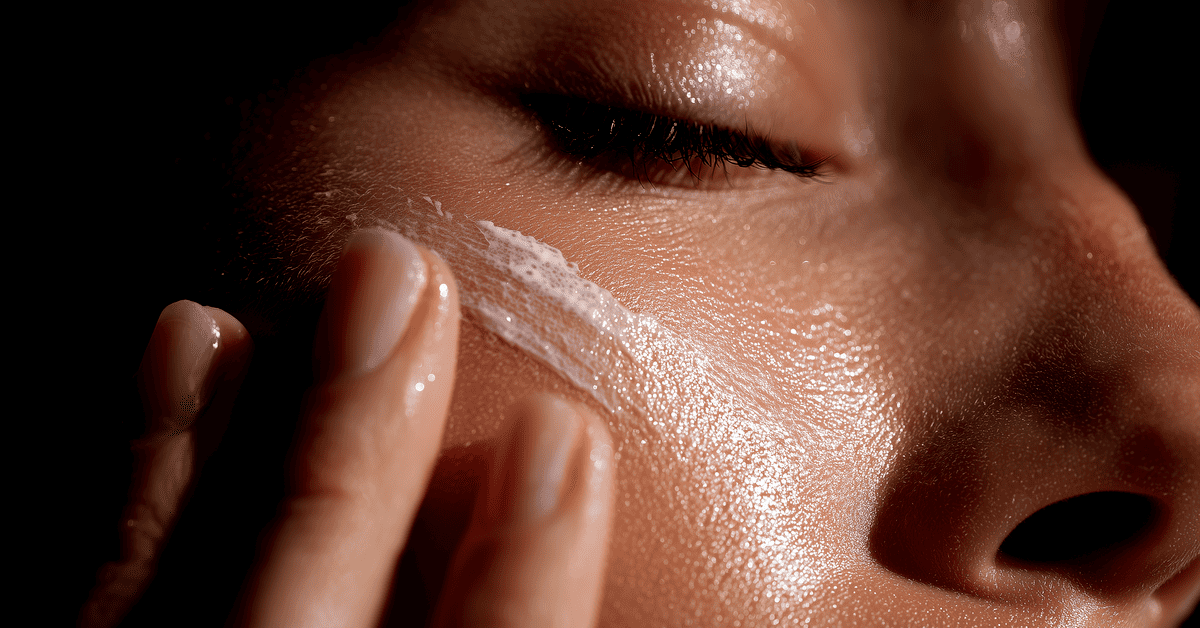
Parabens have been a controversial topic in the cosmetics industry for years. Most of the noise has centred on their hormone-mimicking properties, but the paraben side effects story goes deeper – quite literally.
Research has identified that parabens can interfere with mitochondrial membrane function, disrupting the delicate processes by which cells produce energy. When mitochondria cannot function optimally, dermal cells age faster, repair more slowly, and lose their resilience.
What Makes Parabens So Persistent?
Parabens are cheap, effective preservatives – which is precisely why the cosmetics industry continues to use them widely, even in premium products. They extend shelf life and prevent bacterial growth, making them commercially attractive. However, their ability to penetrate skin and accumulate in tissue raises genuine concerns for anyone using multiple products daily.
Key Takeaways: Paraben side effects extend beyond hormonal disruption to mitochondrial interference.
Sunscreen Without Oxybenzone - Why It Matters More Than You Think
Sunscreen is non-negotiable for dermal health. But not all SPF products are created equal, and the growing conversation around sunscreen without oxybenzone is one that every wellness enthusiast should pay attention to.
Oxybenzone is a UV-filtering chemical found in a large number of conventional sunscreens. It absorbs into the skin efficiently – which is actually the problem. Once inside, it has been found to generate free radicals upon UV exposure, creating oxidative stress that strikes directly at mitochondria.
The irony is striking: the very product meant to protect your dermis from sun damage may be contributing to cellular ageing through a different mechanism altogether. Choosing mineral sunscreens – those using zinc oxide or titanium dioxide – offers effective UV protection without the mitochondrial burden. This is what opting for sunscreen without oxybenzone really means in practical terms.
Key Takeaways: Mineral-based sunscreens offer a cleaner alternative without sacrificing UV protection.
How the Cosmetics Industry Keeps You in the Dark
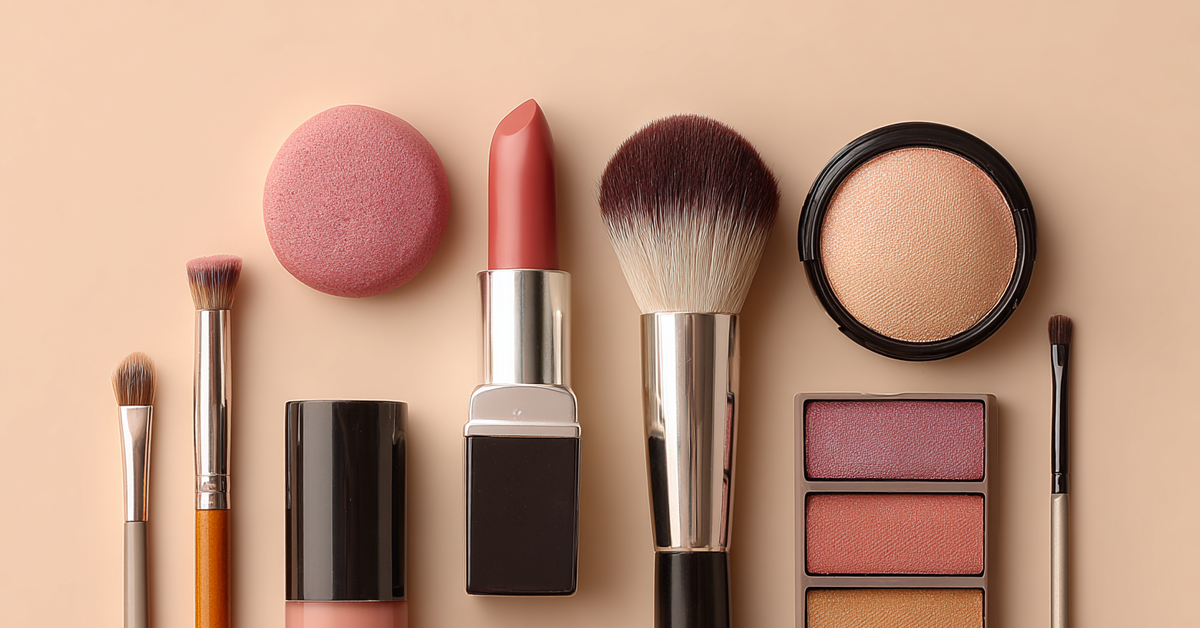
The cosmetics industry is extraordinarily adept at marketing. Words like “rejuvenating,” “cellular renewal,” and “bio-active” are splashed across packaging – yet these same products may contain ingredients that undermine the very processes they claim to support.
Regulation of cosmetic ingredients varies enormously across different countries, and the burden of proving harm often falls on consumers and independent researchers rather than manufacturers. Many chemicals are approved based on individual safety reviews, without accounting for the reality that people use many products simultaneously.
Here are the ingredients most commonly linked to mitochondrial disruption that are still widely used:
- Oxybenzone and other synthetic UV filters
- Parabens (methylparaben, propylparaben, butylparaben)
- Synthetic fragrances containing phthalates
- Formaldehyde-releasing preservatives
- Certain petroleum-derived emollients
Being an informed consumer during a cosmetics sale is more important than ever. A lower price tag or a flashy offer should never override the need to scrutinise an ingredient list.
Key Takeaways: Savvy shoppers approach any cosmetics sale with ingredient awareness, not just price focus.
Signs Your Skin Mitochondria Are Under Stress
Mitochondrial dysfunction in the dermis doesn’t announce itself loudly. Instead, it whispers through subtle signs that are easy to dismiss or attribute to tiredness or lifestyle:
- Dullness that doesn’t improve with hydration or sleep
- Fine lines appearing earlier than expected for your age
- Slower healing of minor dermal irritations or blemishes
- Persistent puffiness or loss of elasticity
- Increased dermal sensitivity to products that used to suit you
If several of these resonate with you, it may be worth examining your product routine with fresh eyes – and fresher ingredient labels.
Key Takeaways: Mitochondrial stress shows up as dullness, early lines, and slow skin recovery.
Smarter Choices for a Cosmetics Sale Worth Attending
Transitioning to a cleaner skincare routine does not have to be overwhelming or expensive. A cosmetics sale can actually be a brilliant opportunity to trial better-formulated products at a lower cost – provided you shop with intention.
Look for products that are free from synthetic fragrances, parabens, and oxybenzone. Prioritise brands that are transparent about their full ingredient list and have made genuine formulation choices in favour of cellular health. Ingredients like CoQ10, vitamin C, and niacinamide actively support mitochondrial function and deserve a prime spot in your routine¹!
Key Takeaways: Ingredients like CoQ10 and niacinamide actively support mitochondrial health.
FAQs
Yes, dermal cells, particularly those in the outer layers, have more mitochondria to meet the high energy demands for processes like regeneration and repair.
Mitochondria in skin cells produce energy that supports cell regeneration, repair, and overall dermal health, helping to maintain a youthful appearance.
References
- Lain, E., Agrawal, N., Ruvolo, E., Weise, J. M., & Callender, V. D. (2024). The role of coenzyme Q10 in skin aging and opportunities for topical intervention: A review. Journal of Clinical and Aesthetic Dermatology, 17(8), 50–55. https://pmc.ncbi.nlm.nih.gov/articles/PMC11324190/ and Boo, Y. C. (2021). Mechanistic basis and clinical evidence for the applications of nicotinamide (niacinamide) to control skin aging and pigmentation. Antioxidants, 10(8), 1315. https://pmc.ncbi.nlm.nih.gov/articles/PMC8389214/