
Omega-6 Vs Omega-3: What Your Mitochondria Really Want
Home » Blog » Mitochondrial Dysfunction » Omega 6 Omega 3 and Mitochondria
Reviewed & Edited by: Dr. Dooa Arif, Content Strategist
Estimated Reading Time: 7 minutes
Table of Contents
TL;DR
Omega-6 isn’t the enemy and omega-3 isn’t a miracle cure; the real issue is that modern diets have tipped the balance so dramatically that our cellular energy systems are quietly struggling. Most people don’t need extreme dietary overhauls - they simply need to be more intentional: less reliance on refined seed oils and ultra-processed foods, and a conscious effort to include meaningful sources. When you respect that balance, you’re not just “eating healthy” - you’re directly influencing how efficiently your cells produce energy every single day.
Inside every cell in your body, a quiet negotiation is constantly underway. On one side: omega-3 fatty acids, cool-headed and anti-inflammatory. On the other: omega-6 fatty acids, powerful but prone to stirring things up when left unchecked.
Both are essential fats – meaning your body cannot manufacture them from scratch. You must consume them through food. But it’s not just about getting enough of each. It’s about the ratio between them, and your mitochondria – your cellular energy engines – are paying very close attention to how that balance plays out.
What Is a Fatty Acid Molecule - And Why Does Shape Matter?
A fatty acid molecule is essentially a long chain of carbon atoms with hydrogen atoms attached and an acid group at one end. What makes both the fatty acids distinct is where their first double bond sits along that chain – and this seemingly small structural difference creates enormous biological consequences.
Omega-3s are more flexible and fluid. They integrate into cell membranes and mitochondrial membranes in a way that keeps them pliable and responsive. Omega-6s, by contrast, produce a slightly stiffer membrane environment and tend to generate pro-inflammatory signalling molecules when metabolised.
The shape of the fatty acid molecule isn’t just chemistry – it’s the blueprint for how well your mitochondria function.
Key Takeaway: The position of a single double bond in a fatty acid determines how efficiently your mitochondria produce energy.
What Omega-3 Is For: A Mitochondrial Perspective
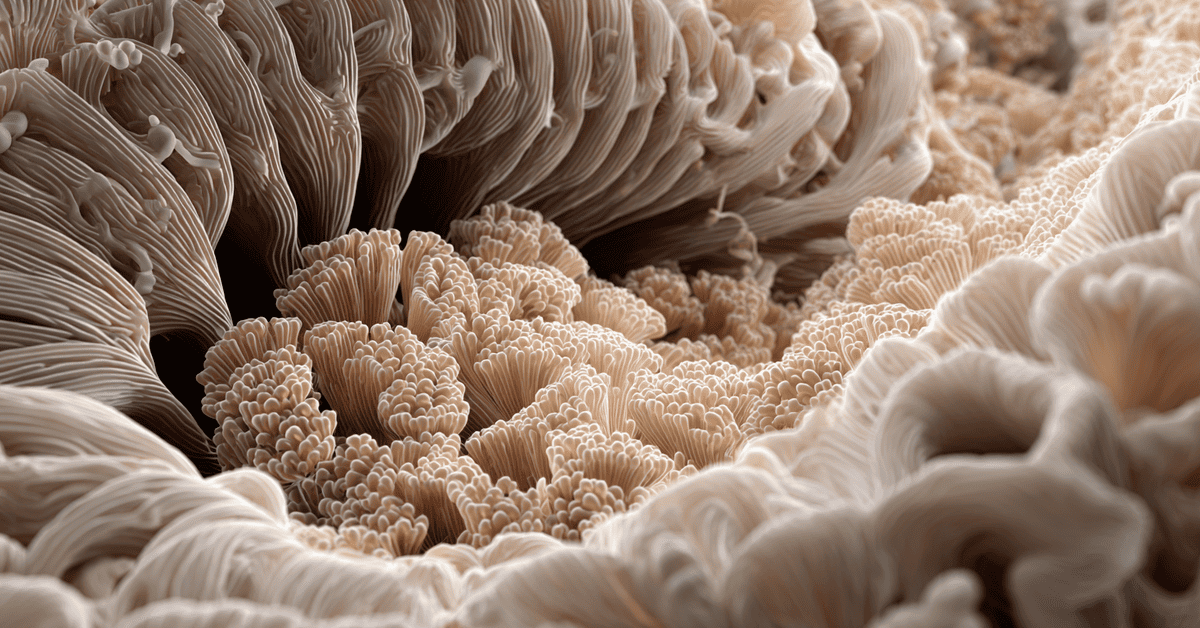
Most people associate Omega 3 with heart health or brain function – and rightly so. But zooming in to the cellular level reveals something even more compelling.
They are deeply involved in mitochondrial membrane integrity. The membranes surrounding your mitochondria need to remain fluid enough for proteins and enzymes to move freely, enabling efficient Adenosine Triphosphate (ATP) production – the energy currency your body runs on.
When they are abundant, mitochondria tend to work more efficiently. They’re better at producing energy, managing oxidative stress, and even signalling for cellular repair. Foods like oily fish, walnuts, and eggs (from hens fed a flaxseed-rich diet) are excellent ways to top up these levels naturally.
They are also good for reducing the kind of low-grade inflammation that silently undermines mitochondrial performance over time – making them good for far more than just joints and mood.
Key Takeaway: It supports mitochondrial membrane health, improves energy production, and helps reduce inflammation that can impair cellular performance.
Omega-6 Benefits: The Fat That Gets a Bad Press
These have developed something of a reputation problem in wellness circles, but the truth is more nuanced. The benefits are real and significant – they support skin barrier function, regulate metabolism, and play important roles in immune signalling and fatty acid synthesis pathways.
The issue isn’t this fatty acid itself. It’s the sheer volume of it that tends to flood the modern diet, often through ultra-processed foods and refined vegetable oils.
In the right amounts, both the fatty acids work in harmony. They actually compete for the same enzymes during fatty acid synthesis – which is precisely why their ratio to each other is so metabolically significant.
Key Takeaway: This fatty acid is beneficial in balanced amounts, but its health impact depends largely on maintaining a proper ratio with its other counterpart.
The Problem Of Excessive Consumption
Modern diets have quietly become saturated with Omega 6 high foods. Think sunflower oil, corn oil, crisps, fast food, shop-bought sauces, and most packaged snacks. These foods have dramatically shifted the “balance” in the average person’s diet – and mitochondria bear the brunt.
When this fatty acid dominates, a few things tend to happen:
- Mitochondrial membranes become less fluid and less efficient
- Inflammatory signalling increases at the cellular level
- Oxidative stress within the mitochondria rises
- The production of pro-inflammatory eicosanoids escalates
- The mitochondria’s ability to generate clean, steady energy declines
This isn’t about demonising the fatty acid entirely – it’s about restoring a balance that the human body evolved to expect.
Key Takeaway: Excessive consumption from modern processed diets disrupts mitochondrial efficiency.
Fatty Acid Synthesis: What Your Body Makes vs. What It Needs - An Insight
What if you’re a vegan who doesn’t consume Omega-3 rich mackerels and sardines?!
Here’s where it gets interesting. Through fatty acid synthesis, your body can convert short-chain omega-3s (found in plant foods) into longer-chain forms like EPA and DHA – the ones most directly beneficial to mitochondria. However, this conversion process is slow and inefficient in most people, particularly when omega-6 intake is high, as both compete for the same conversion enzymes.
This is why relying solely on plant-based short-chain ones may not be sufficient for optimal mitochondrial support – though it’s a valuable starting point.
Key Takeaway: High omega-6 intake can limit the body’s ability to convert plant-based omega-3s into the EPA and DHA needed for optimal mitochondrial support.
The Best Food Sources
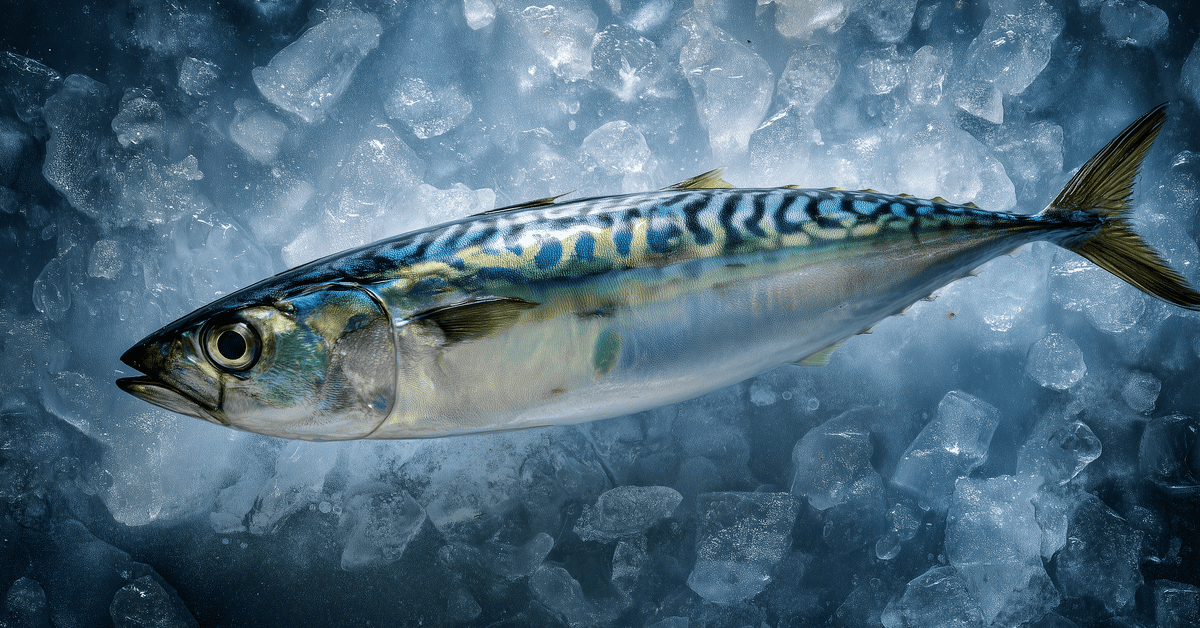
You don’t need to eat fish every day to improve the balance. Here are smart choices across both categories:
Omega-3 rich foods:
- Oily fish (salmon, mackerel, sardines)
- Eggs from pasture-raised or flaxseed-fed hens
- Walnuts and flaxseeds
- Chia seeds and hemp seeds
- Algae-based supplements (ideal for vegans seeking EPA and DHA directly)
Omega-6 rich foods:
- Sunflower oil
- Crisps
- Chicken
- Pork
- Fried Snacks
For those following a plant-based lifestyle, omega 6 vegan sources include sunflower seeds, pumpkin seeds, and evening primrose oil. The key is pairing them intentionally with the other counterpart Omega 3 vegan sources like flax and chia to keep the ratio balanced.
Key Takeaways: Improving the balance is about wise pairing of sources.
FAQs
Omega-3 is generally more supportive of mitochondrial health, while excess omega-6 – especially – can promote inflammation that stresses mitochondria.
The downside is, when consumed in excess, it can promote chronic inflammation and increase oxidative stress at the cellular level.