
7 Hidden Household Toxins That Are Wrecking Your Mitochondria
Reviewed & Edited by: Dr. Dooa Arif, Content Strategist
Estimated Reading Time: 7 minutes
Table of Contents
TL;DR
Our homes, intended as safe havens, may unknowingly harbor a range of toxins that disrupt mitochondrial function and accelerate aging. From common household items like non-stick cookware and synthetic air fresheners to harmful chemicals in cleaning products and plastic containers, these invisible threats are silently draining our energy and compromising our well-being. Taking proactive steps to swap out these harmful products and adopt safer alternatives can significantly protect mitochondrial health, enhance cellular energy production, and promote long-term vitality. It’s time to rethink what’s lurking in our homes and make informed choices to safeguard our health.
Most people associate pollution with factories or busy roads. But the reality is that indoor air can be far more chemically loaded than outdoor air. Your home, your sanctuary, may actually be one of the biggest sources of environmental toxins and “mitochondria” are right in the firing line.
Mitochondria are tiny organelles found in almost every cell of your body. They convert nutrients from food into Adenosine Triphosphate (ATP) – the energy currency your body runs on. When household toxins disrupt this process, the consequences ripple out: fatigue, brain fog, slow metabolism, poor sleep, and even accelerated ageing.
Understanding “what damages mitochondria” in your everyday environment is the first step towards meaningful change.
1. Non-Stick Cookware and PFAS Chemicals
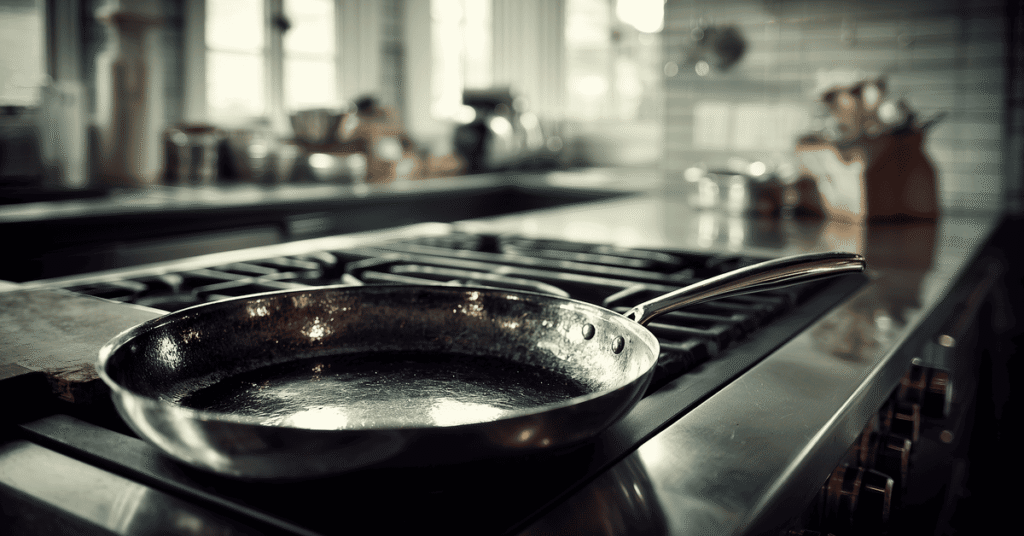
That convenient non-stick pan you use every morning? It may come coated with PFAS – a group of synthetic chemicals sometimes called “forever chemicals” because they accumulate in the body and resist breakdown.
When non-stick surfaces are heated, especially at high temperatures, these compounds can leach into your food and into the air you breathe. Research links PFAS exposure to disrupted cellular energy production and oxidative stress – two hallmarks of mitochondrial damage.
Swap it out: Cast iron, stainless steel, and ceramic cookware are far safer alternatives.
Key Takeaway: PFAS from non-stick cookware can enter the body through food and inhalation.
2. Synthetic Air Fresheners and Scented Candles
They smell lovely, but synthetic air fresheners and paraffin-wax candles release a cocktail of volatile organic compounds (VOCs) when burned or sprayed. Many of these – including formaldehyde and benzene – are well-recognised environmental toxins, and mitochondria are particularly vulnerable to their effects.
VOCs interfere with the electron transport chain, the sequence of reactions inside mitochondria that generate ATP. The result? Less energy, more cellular fatigue.
Choose beeswax or soy candles with essential oils, or simply open a window for natural fragrance.
Key Takeaways: VOCs from synthetic fragrances disrupt mitochondrial energy production. Paraffin candles are a surprisingly common source of indoor air pollution.
3. Conventional Cleaning Products and Household Toxic Products
Bleach, antibacterial sprays, drain cleaners – these household toxic products are designed to kill things, and unfortunately your mitochondria can get caught in the crossfire. Chlorine-based compounds and harsh surfactants generate reactive oxygen species (free radicals) that overwhelm your cells’ antioxidant defences.
This oxidative burden is one of the primary mechanisms through which household toxins impair mitochondrial health. The damage accumulates quietly over years of regular use.
Switching to plant-based, fragrance-free cleaning products dramatically reduces your toxic load.
Key Takeaway: Bleach and antibacterial cleaners generate free radicals that stress mitochondria.
4. Plastic Food Containers and BPA

BPA (bisphenol A) and its relatives, BPS and BPF, are hormone-disrupting chemicals found in many plastic food containers and the linings of canned goods. They mimic oestrogen in the body, interfering with hormonal signalling – which has a direct knock-on effect on mitochondrial function, since hormones play a key role in regulating cellular energy metabolism.
What damages mitochondria here is the hormonal confusion these plastics create, slowing energy output and increasing inflammation at the cellular level.
Store food in glass, stainless steel, or BPA-free alternatives, and never heat food in plastic.
Key Takeaways: BPA mimics hormones and disrupts cellular energy regulation. Heating plastic dramatically increases chemical leaching into food.
5. Pesticide Residues Indoors
Pesticides don’t stay outside. They travel indoors on shoes, pets, and clothing, accumulating in dust and carpets. Many common pesticide compounds are potent mitochondrial toxins – they were originally developed to disrupt the nervous systems of insects by targeting their cellular energy pathways, and they can do the same in human cells at lower doses.
The five main indoor pesticide sources to be aware of:
- Tracked-in residues from treated lawns and pavements
- Household insect sprays and plug-in repellents
- Flea treatments used on pets
- Treated timber in older furniture
- Residues on conventional fresh produce brought into the home
Removing shoes at the door and choosing organic produce where possible makes a meaningful difference.
Key Takeaway: Pesticides accumulate in indoor dust and are inhaled or absorbed through the skin.
6. Heavy Metals in Tap Water and Old Paint
Lead, cadmium, and arsenic are heavy metals that can enter your home through ageing pipes, old paint, and even certain ceramics. These metals are among the most well-documented environmental toxins, and mitochondria are particularly sensitive to their presence.
Heavy metals bind to proteins inside mitochondria, gumming up the machinery that produces energy and triggering excessive free radical generation. The result is mitochondrial dysfunction that can manifest as chronic fatigue, cognitive decline, and impaired detoxification.
Using a quality water filter, testing older paintwork, and choosing food-safe ceramics are worthwhile precautions.
Key Takeaways: Heavy metals accumulate in mitochondria and impair energy production. Ageing pipes and old paint are common sources most people overlook.
7. Mould and Mycotoxins
Mould is more than an aesthetic problem. When mould grows in damp areas – bathrooms, basements, behind wallpaper – it produces mycotoxins: potent biological compounds that are classified as serious environmental toxins. Mitochondria and their role in immune defence become severely compromised when mycotoxins are present, as these compounds directly impair ATP production and trigger chronic inflammation.
People living in mouldy homes often report symptoms that mirror mitochondrial dysfunction: unrelenting fatigue, poor concentration, and unexplained muscle weakness.
Address damp promptly, use dehumidifiers in moisture-prone rooms, and ensure good ventilation throughout the home.
Key Takeaways: Mycotoxins from household mould are potent mitochondrial disruptors. Symptoms of mould exposure closely mirror those of mitochondrial dysfunction.
FAQs
Toxins such as heavy metals, pesticides, air pollution, and chemicals in plastics can damage mitochondria by disrupting their function and impairing energy production.
To fix mitochondrial toxicity, focus on detoxifying the body, supporting mitochondrial function with antioxidants, optimizing nutrition, and reducing exposure to harmful chemicals.