
Why Dark Chocolate May Be Your Mitochondria’s Best Friend
Reviewed & Edited by: Dr. Dooa Arif, Content Strategist
Estimated Reading Time: 7 minutes
Table of Contents
TL;DR
Dark chocolate, particularly varieties rich in cocoa, offers significant benefits for mitochondrial health due to its high concentration of flavonoids, such as epicatechin and catechin. These bioactive compounds stimulate mitochondrial biogenesis, improve energy production efficiency, and reduce oxidative stress - key factors in maintaining cellular vitality and supporting overall wellness. The addition of resveratrol, a polyphenol found in grapes and berries, further enhances mitochondrial function by activating longevity proteins and improving cellular respiration. Together, these natural compounds provide a powerful combination to boost energy levels, improve cognitive function, and enhance physical performance.
Your mitochondria function as microscopic power stations within every cell, converting nutrients into usable energy through complex biochemical processes. These organelles don’t simply generate energy – they regulate cellular metabolism, influence inflammation responses, and determine how efficiently your body performs fundamental functions. When mitochondrial efficiency declines, you might experience fatigue, reduced mental clarity, and diminished physical performance.
Mitochondrial health depends significantly on protecting these structures from oxidative stress whilst supporting their natural regeneration processes. This is where compounds like those found in dark chocolate and resveratrol become particularly interesting for wellness enthusiasts seeking natural interventions.
Key Takeaways: Mitochondria generate cellular energy and regulate metabolism. Supporting mitochondrial health naturally enhances overall vitality and function.
Ingredients and Bioactive Compounds

Dark chocolate ingredients extend far beyond simple cocoa and sugar. The cacao bean contains an impressive array of polyphenols, particularly flavanols, which exhibit powerful biological activity. These compounds survive the processing journey from bean to bar, especially in the minimally processed varieties.
The primary bioactive components include epicatechin, catechin, and procyanidins – flavanol molecules that interact directly with cellular machinery. Understanding this chocolate’s healthy properties requires recognising that not all chocolate provides equal benefits. The concentration of these beneficial compounds correlates directly with cocoa content, making higher-percentage ones considerably more beneficial for mitochondrial support.
The no sugar varieties have gained popularity amongst health-conscious consumers, though the relationship between sweeteners and mitochondrial function remains nuanced. Whilst excessive sugar consumption certainly challenges metabolic health, small amounts in this quality sweet don’t necessarily negate its beneficial properties.
Key Takeaways: It contains powerful flavanol compounds that support cellular health. Higher cocoa content typically indicates greater concentration of beneficial ingredients.
Supporting Mitochondrial Function
This lesser known sweet influences mitochondrial health through multiple complementary mechanisms.
- The flavanols present in cocoa stimulate mitochondrial biogenesis – the creation of new mitochondria within cells. This process essentially increases your cellular energy-producing capacity, potentially enhancing both physical and cognitive performance.
- These compounds also activate specific cellular pathways that improve mitochondrial efficiency. When mitochondria function more effectively, they generate energy whilst producing fewer harmful reactive oxygen species. This dual benefit means cells receive adequate energy without excessive oxidative damage to mitochondrial membranes and DNA.
- The bioactive components in this chocolate in healthy formulations also support blood flow, ensuring mitochondria receive adequate oxygen and nutrients for optimal function. Improved circulation means enhanced delivery of raw materials necessary for energy production, creating a supportive environment for mitochondrial activity throughout your body.
Dark chocolate, particularly varieties high in cocoa (70% or more), is believed to support mitochondrial function by enhancing cellular energy production and reducing oxidative stress¹.
If your curious, you can opt for a quick Mescreen™ Mitochondrial Function Test that helps you assess your mitochondrial health, giving you personalized wellness recommendations based on the results.
Key Takeaways: This chocolate type stimulates new mitochondria formation and improves existing mitochondrial efficiency. Enhanced circulation from cocoa flavanols supports optimal mitochondrial nutrient delivery.
Resveratrol's Role in Mitochondrial Health
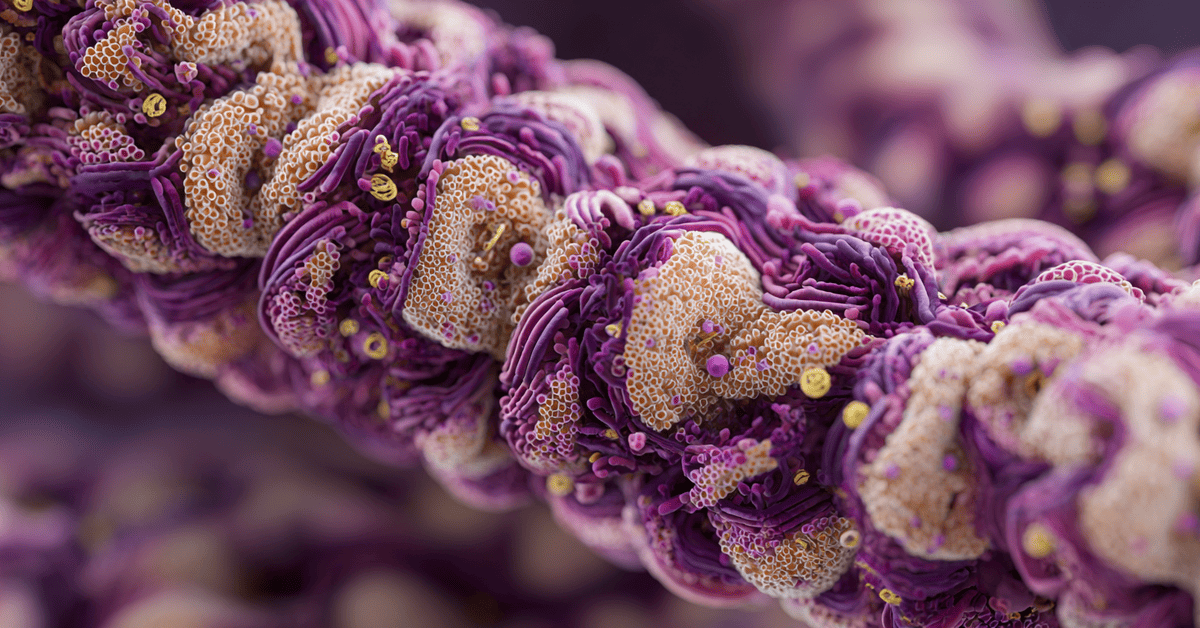
Resveratrol, a polyphenol found in grape skins, berries, dark chocolate and certain plants, demonstrates remarkable mitochondrial-supporting properties. This compound activates sirtuins – proteins that regulate cellular health and longevity – which directly influence mitochondrial function and maintenance. Through sirtuin activation, resveratrol essentially switches on genetic programmes that protect and regenerate mitochondria.
The compound also enhances mitochondrial respiration, the process through which these organelles convert nutrients into energy. By improving respiratory efficiency, resveratrol helps mitochondria generate more energy from the same amount of fuel, effectively optimising your cellular metabolism.
Resveratrol additionally protects mitochondrial membranes from oxidative damage, preserving the structural integrity essential for proper function. This protective effect becomes particularly valuable as mitochondria naturally accumulate damage over time, making preservation strategies crucial for sustained cellular vitality.
Key Takeaways: Resveratrol activates longevity proteins that protect mitochondria. This compound improves energy production efficiency whilst defending against oxidative damage.
Choosing Quality Dark Chocolate for Mitochondrial Support
Selecting appropriate brand requires understanding quality markers that indicate beneficial compound concentration. Look for chocolate containing at least seventy percent cocoa, as higher percentages typically provide greater flavanol content. Processing methods matter significantly – chocolates labelled as minimally processed or using traditional methods often retain more bioactive compounds.
Ingredient lists should remain relatively simple. The quality ones typically contain cocoa mass, cocoa butter, and modest sweetener amounts. Avoid products with excessive additives, artificial flavours, or vegetable oils replacing cocoa butter, as these modifications often indicate processing that diminishes beneficial compounds.
Origin and ethical sourcing, whilst not directly affecting mitochondrial benefits, often correlate with quality production methods that preserve bioactive compounds. Single-origin chocolates frequently undergo less aggressive processing, potentially retaining more beneficial properties.
Key Takeaways: Choose the one with minimum seventy percent cocoa content and simple ingredient lists.
Practical Integration into Your Wellness Routine

A modest daily serving – approximately twenty to thirty grammes – provides beneficial compounds without excessive calories or stimulants. Timing this consumption earlier in the day prevents potential sleep interference from caffeine content.
Pairing this sweet with other resveratrol-rich foods creates natural synergy:
- Combine with Fresh berries for a nutrient-dense snack
- Add Red grapes alongside the ‘small square sweet’
- Stir into morning porridge with mixed berries
- Homemade trail mix – combining it with nuts and dried fruits
- Try as an evening herbal tea accompaniment
Key Takeaways: Moderate daily consumption of quality effectively. Combining chocolate with resveratrol-rich foods creates natural synergistic benefits.
FAQs
Dark chocolate, rich in antioxidants, can improve heart health, enhance brain function, and reduce inflammation when consumed in moderation.
The best time to eat is after a meal, as it may help with digestion and provide a quick energy boost.
References
- Taub, P. R., Ramirez‑Sanchez, I., Ciaraldi, T. P., Perkins, G., Murphy, A. N., Naviaux, R., Hogan, M., Maisel, A. S., Henry, R. R., Ceballos, G., & Villarreal, F. (2016). Beneficial effects of dark chocolate on exercise capacity in sedentary subjects: Underlying mechanisms: A double blind, randomized, placebo controlled trial. Clinical and Translational Science. Retrieved from https://pmc.ncbi.nlm.nih.gov/articles/PMC5025384/