
How Resveratrol Supercharges Your Cell Powerhouses
Resveratrol belongs to a class of compounds called polyphenols, which plants produce as a defensive mechanism against environmental stressors. When you wonder “what is the resveratrol” exactly, think of it as nature’s protective molecule that appears to offer similar protective benefits to human cells.
This remarkable compound concentrates primarily in the skins of red grapes, making red wine a well-known source. However, you’ll also find the compound in blueberries, cranberries, peanuts, and Japanese knotweed, which serves as the primary source for most supplements.
The growing interest in the chemical stems from observations of the Mediterranean diet and the “French Paradox” – the phenomenon where French populations consuming moderate red wine showed better cardiovascular health markers despite higher saturated fat intake. Researchers identified this compound as a potential contributing factor to these health patterns.
At the cellular level, resveratrol acts as a powerful antioxidant, neutralising harmful free radicals that can damage cellular structures. More importantly, it appears to influence fundamental cellular processes related to energy production, inflammation management, and cellular ageing – all of which connect directly to mitochondrial health.
How Resveratrol and Mitochondria Work Together
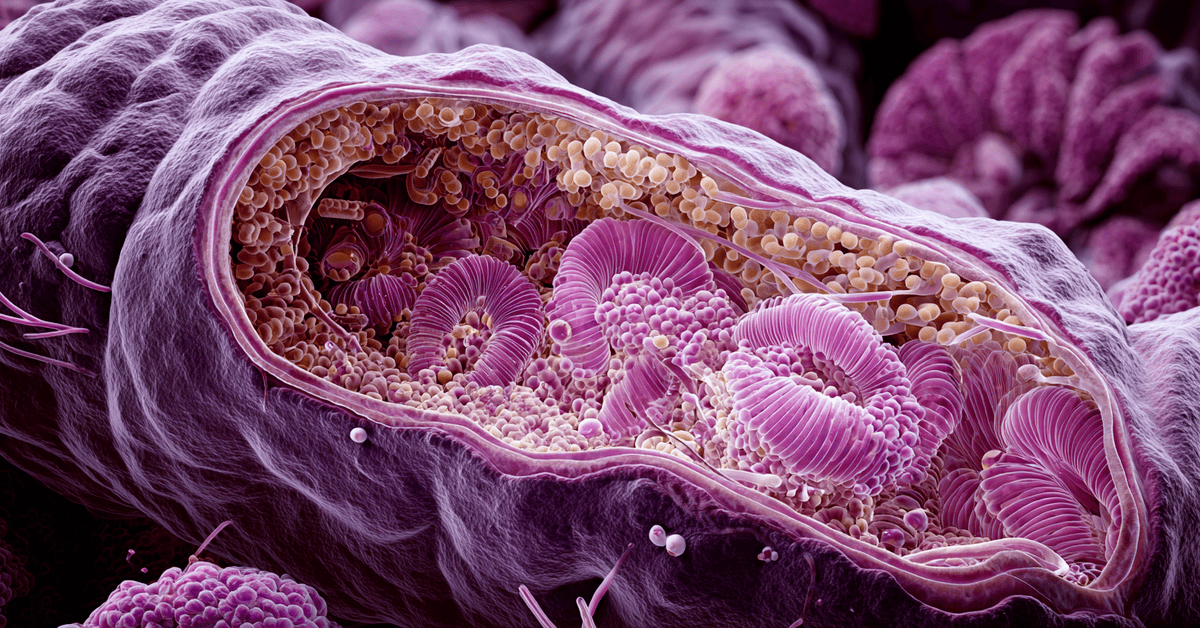
The relationship between resveratrol and mitochondria represents one of the most exciting areas of wellness research. Your mitochondria function as cellular power plants, converting nutrients from food into adenosine triphosphate (ATP), the energy currency your cells use for virtually every biological process.
The compound appears to enhance mitochondrial function through several complementary mechanisms. When you consume resveratrol, it activates proteins called sirtuins – particularly SIRT1 – which regulate cellular metabolism and energy production. Think of sirtuins as master switches that optimise how efficiently your mitochondria operate.
This activation triggers a cascade of beneficial effects within your cells:
- Enhanced mitochondrial biogenesis, prompting your cells to create new, healthy mitochondria
- Improved efficiency of the electron transport chain, the primary energy-producing pathway in mitochondria
- Increased antioxidant enzyme production, protecting mitochondria from oxidative damage
- Better calcium handling within cells, which supports optimal mitochondrial function
- Activation of cellular cleanup processes that remove damaged mitochondria
The connection between both extends beyond simple energy production. Healthy mitochondria influence inflammation levels, support immune function, regulate metabolism, and even affect how your body manages stress responses. By supporting mitochondrial health, resveratrol potentially influences multiple aspects of wellbeing simultaneously.
Research suggests that resveratrol may help maintain mitochondrial membrane integrity, which proves crucial because damaged mitochondrial membranes can trigger inflammatory responses and accelerate cellular ageing. This protective effect becomes particularly relevant as we age, since mitochondrial function naturally declines over time.
Resveratrol Benefits for Women's Wellness

When exploring benefits for women specifically, several areas deserve attention. Women’s bodies undergo unique hormonal transitions throughout life – from menstrual cycles to pregnancy to menopause – all of which create distinct metabolic demands on cellular energy systems.
During perimenopause and menopause, declining oestrogen levels can affect mitochondrial function, potentially contributing to common symptoms like fatigue, brain fog, and metabolic changes. Resveratrol’s ability to support mitochondrial health may help counterbalance some of these shifts.
The compound also shows promise for supporting bone health, an important consideration for women as oestrogen decline accelerates bone density loss. Resveratrol appears to influence bone cell metabolism in ways that may help maintain bone strength, though this occurs partly through its effects on cellular energy production.
Women interested in skin health may find the compound particularly appealing. The compound’s antioxidant properties, combined with its ability to support cellular energy production, may contribute to maintaining skin cell vitality. Healthy mitochondria in skin cells support collagen production and cellular repair processes that help maintain skin resilience.
Cardiovascular considerations also matter for women’s wellness. Heart health becomes increasingly important after menopause when protective effects of oestrogen diminish. Resveratrol’s potential to support healthy blood vessel function and reduce oxidative stress in cardiovascular tissues connects partly to its mitochondrial benefits, since heart cells contain particularly high concentrations of mitochondria to meet enormous energy demands.
Understanding Resveratrol Supplements and Forms
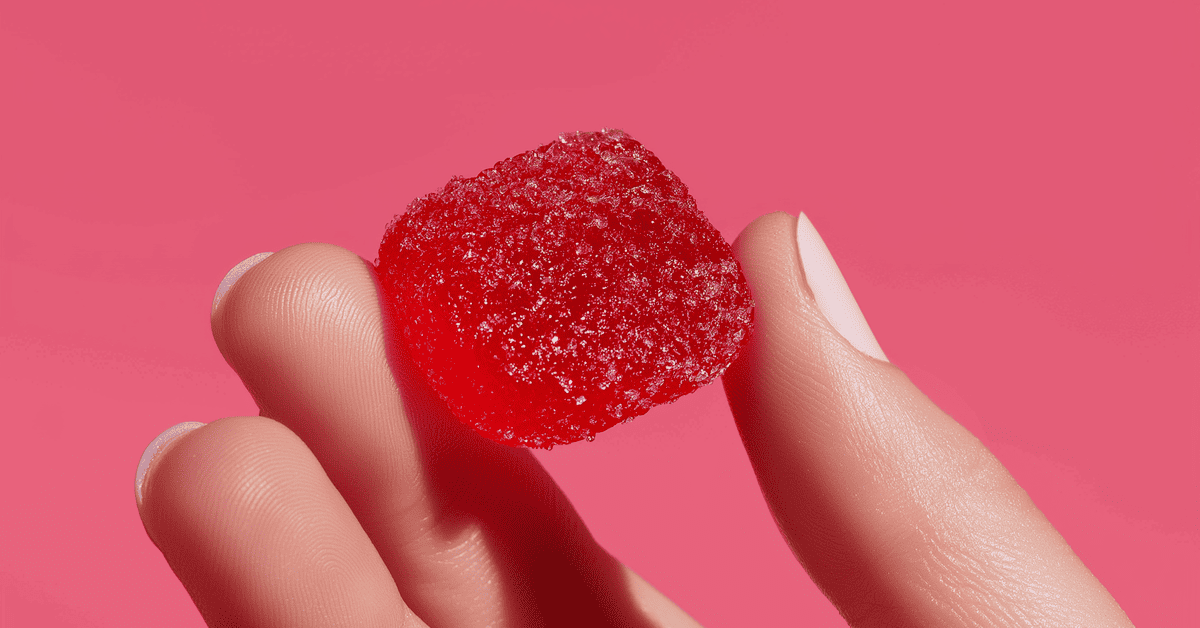
The world of supplements can feel overwhelming, with options ranging from capsules to resveratrol gummies to liquid formulations. Understanding these choices helps you make informed decisions about supplementation.
When evaluating supplements, bioavailability – how well your body absorbs and uses the compound – becomes a primary consideration. Standard resveratrol has relatively poor bioavailability, meaning much of what you consume gets broken down before reaching your cells. Manufacturers address this through various approaches:
- Micronised formulations that reduce particle size for better absorption
- Liposomal delivery systems that encapsulate resveratrol in fat molecules
- Trans-resveratrol, the active form found in nature, rather than cis-resveratrol
- Combination formulas including piperine (from black pepper) to enhance absorption
- Time-release capsules designed to provide steady resveratrol levels
Gummies have gained popularity as a more palatable option, particularly for those who struggle with swallowing capsules. However, gummy formulations often contain added sugars and may provide lower doses compared to capsules. If you choose gummies, check the actual content per serving rather than assuming all products offer equivalent amounts.
Quality matters significantly with resveratrol use. Look for supplements that specify trans-resveratrol content, provide third-party testing verification, and clearly identify their source material. Japanese knotweed typically provides higher concentrations than grape-derived options, though both can be effective.
Dosage recommendations vary widely, with research using anywhere from 150mg to 1000mg daily. Most wellness-focused supplements provide 250-500mg of resveratrol per serving. Starting with lower doses allows you to assess your individual response before increasing intake.
Is Resveratrol Healthy? The Science Behind the Benefits
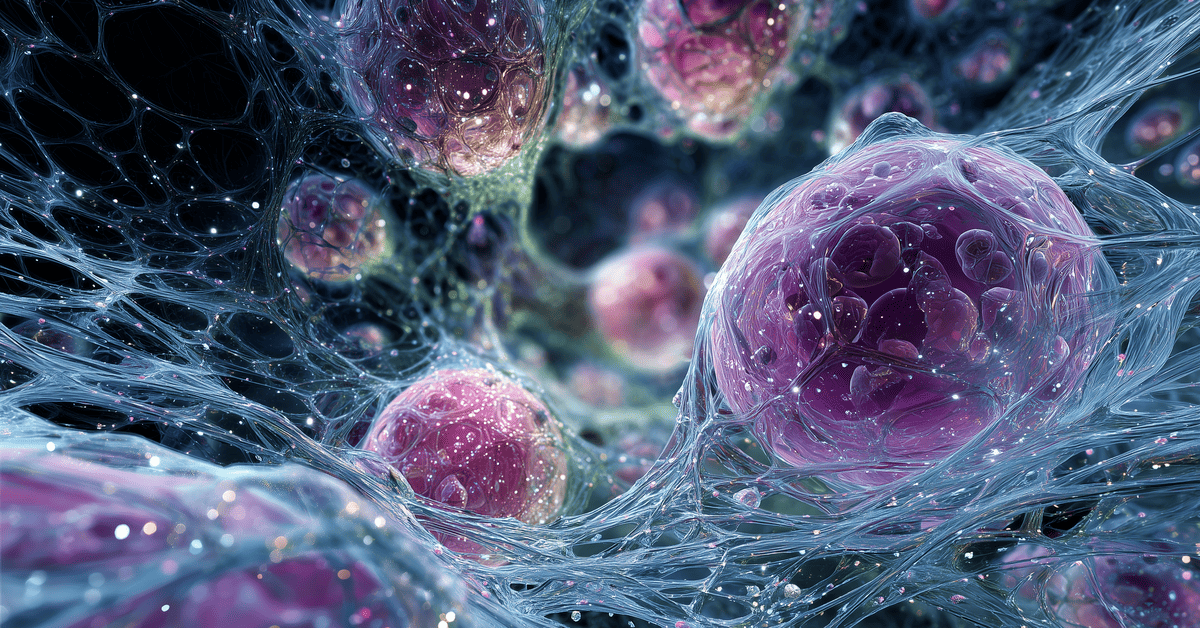
The scientific evidence presents a nuanced picture worth understanding.
Cellular studies consistently show that the compound activates beneficial pathways related to mitochondrial function, antioxidant defence, and cellular repair. These effects appear robust and repeatable across different research models. However, translating cellular research into human health outcomes presents challenges, primarily due to bioavailability issues.
The human body rapidly metabolises resveratrol, converting it into other compounds that may or may not retain biological activity. This means that achieving the tissue concentrations used in cellular research requires either very high doses or improved delivery methods.
Despite these challenges, human studies suggest several potential benefits:
- Improved markers of cardiovascular health, including blood vessel function
- Enhanced blood sugar regulation in individuals with metabolic concerns
- Reduced inflammatory markers in various populations
- Better cognitive performance in some research participants
- Improved exercise recovery and endurance in athletic populations
The key to understanding whether resveratrol is good for you personally involves realistic expectations. This compound isn’t a miracle cure, but rather a supportive nutrient that may enhance your body’s natural cellular processes when combined with healthy lifestyle foundations.
Individual responses to this compound vary considerably based on factors like gut microbiome composition, baseline health status, concurrent medications, and genetic variations affecting how your body processes the compound. This variability explains why some people report noticeable benefits while others perceive minimal effects.
Practical Ways to Mitochondria Boost with Resveratrol

Maximising the mitochondria boost potential of resveratrol involves strategic approaches beyond simply taking supplements. Combining this compound’s use with complementary lifestyle practices creates synergistic effects that amplify benefits.
Timing your resveratrol intake can influence effectiveness. Some research suggests taking it with meals containing some fat improves absorption, since it’s a fat-soluble compound. Morning supplementation aligns with your body’s natural circadian rhythms for energy production, though evening doses may support cellular repair processes during sleep.
Pairing the compound with other mitochondrial-supporting nutrients creates comprehensive cellular support:
- CoQ10, which directly participates in mitochondrial energy production
- Alpha-lipoic acid, an antioxidant that regenerates other protective compounds
- B vitamins, essential cofactors for energy metabolism
- Magnesium, required for hundreds of enzymatic reactions including ATP production
- Omega-3 fatty acids, which support healthy mitochondrial membranes
Exercise represents perhaps the most powerful mitochondria boost available, and combining physical activity with resveratrol may enhance results. Movement signals your body to create new mitochondria whilst resveratrol supports their optimal function. Both endurance exercise and resistance training benefit mitochondrial health, so choose activities you enjoy and will maintain consistently.
Dietary choices matter too. Whilst supplements provide concentrated doses, consuming resveratrol-rich foods adds complementary nutrients and fibre. Red and purple fruits offer natural sources alongside other beneficial plant compounds. However, relying solely on food sources makes it challenging to achieve the doses used in research showing mitochondrial benefits.
Quality sleep supports mitochondrial health independently and may enhance how your body responds to the compound. During deep sleep, your cells perform maintenance and repair activities, including mitochondrial cleanup processes. Aim for seven to nine hours of consistent, quality sleep to maximise these natural restoration cycles.
Managing stress through practices like meditation, breathwork, or gentle yoga protects mitochondria from damage caused by elevated cortisol and inflammatory compounds. Chronic stress impairs mitochondrial function, potentially counteracting benefits from supplementation. Building stress resilience complements your mitochondrial support efforts.
Is Resveratrol the Key to Longevity?
Resveratrol has become a buzzword in the wellness and anti-aging communities, often touted as a potential key to longevity. But is it truly the secret to a longer, healthier life, or is it just another trend? To understand the potential of resveratrol, we must delve into the science behind it and how it interacts with the body.
The link between resveratrol and longevity is largely based on its effects on the mitochondria, the energy powerhouses of our cells. Mitochondria are responsible for producing ATP (adenosine triphosphate), the molecule that fuels our cells. As we age, mitochondrial function naturally declines, leading to a reduction in cellular energy production, which is a major contributor to aging and age-related diseases. Resveratrol has been shown in laboratory studies to activate certain proteins, like sirtuins, which are involved in cellular repair, inflammation reduction, and stress resistance. By enhancing sirtuin activity, resveratrol may help protect against the wear and tear that comes with aging, potentially extending lifespan.
Furthermore, resveratrol has been linked to the activation of a process called autophagy, where the body removes damaged cells and recycles their components. This process is crucial for maintaining cellular health, and its decline is associated with aging and the onset of diseases such as Alzheimer’s and Parkinson’s. By encouraging autophagy, resveratrol may help clear out cellular debris, allowing for the maintenance of healthy, youthful cells.
While the potential of resveratrol is promising, it is important to note that most of the research on its longevity benefits has been conducted in animal models or cell cultures. While studies have shown resveratrol’s ability to improve health markers like blood pressure, inflammation, and fat metabolism, translating these results to humans has proven to be more complex. Human trials have yielded mixed results, with some showing benefits and others showing minimal impact. This discrepancy may be due to differences in dosages, bioavailability (the extent to which resveratrol is absorbed by the body), and the long-term effects of supplementation.
It’s also worth considering that resveratrol alone is unlikely to be a magical cure for aging. True longevity and health are the result of a combination of factors, including a balanced diet, regular physical activity, stress management, and genetic factors. Resveratrol may serve as a helpful supplement, but it is not a replacement for a healthy lifestyle.
In conclusion, while resveratrol shows promise in its potential to promote longevity by supporting mitochondrial function, reducing inflammation, and encouraging cellular repair, more research is needed to fully understand its impact on human lifespan. As with many supplements, it’s essential to approach resveratrol with realistic expectations and to view it as part of a holistic approach to health and well-being rather than a singular solution for aging.