
Can Microbiome of the Gut Influence Mitochondrial Aging?
Reviewed & Edited by: Dr. Dooa Arif, Content Strategist
Estimated Reading Time: 6 minutes
Table of Contents
TL;DR
The relationship between the gut microbiome and mitochondrial function is a vital and fascinating aspect of health. By understanding how these two systems interact, it's clear that supporting both through a balanced diet, exercise, stress management, and quality sleep can significantly enhance energy levels, longevity, and overall well-being. Prioritizing a plant-rich diet, rich in fiber, antioxidants, and polyphenols, along with maintaining a healthy lifestyle, can protect against mitochondrial aging, optimize function, and promote vitality well into later years.
The relationship between your gut microbiome and mitochondria represents one of the most fascinating discoveries in modern wellness science. Your mitochondria serve as cellular energy factories, producing the fuel your body needs for every function, whilst the microbiome human gut comprises trillions of bacteria, fungi, and other microorganisms that influence far more than just digestion.
What makes this connection particularly intriguing is that mitochondria themselves originated from ancient bacteria billions of years ago. This evolutionary heritage means your intestinal bacteria and mitochondria share similar genetic machinery and communication pathways, allowing them to influence each other in profound ways.
As we age, both systems typically experience decline. Mitochondrial function diminishes, leading to reduced energy production and increased cellular damage. Simultaneously, the microbiome composition often becomes less diverse and balanced. The emerging evidence suggests these two processes aren’t independent but rather intimately connected.
Key Takeaways: The intestinal microbiome and mitochondria share an evolutionary relationship that enables direct communication. Both systems typically decline with age, and this deterioration appears interconnected rather than coincidental.
How Gut Microbiome Composition Affects Cellular Energy
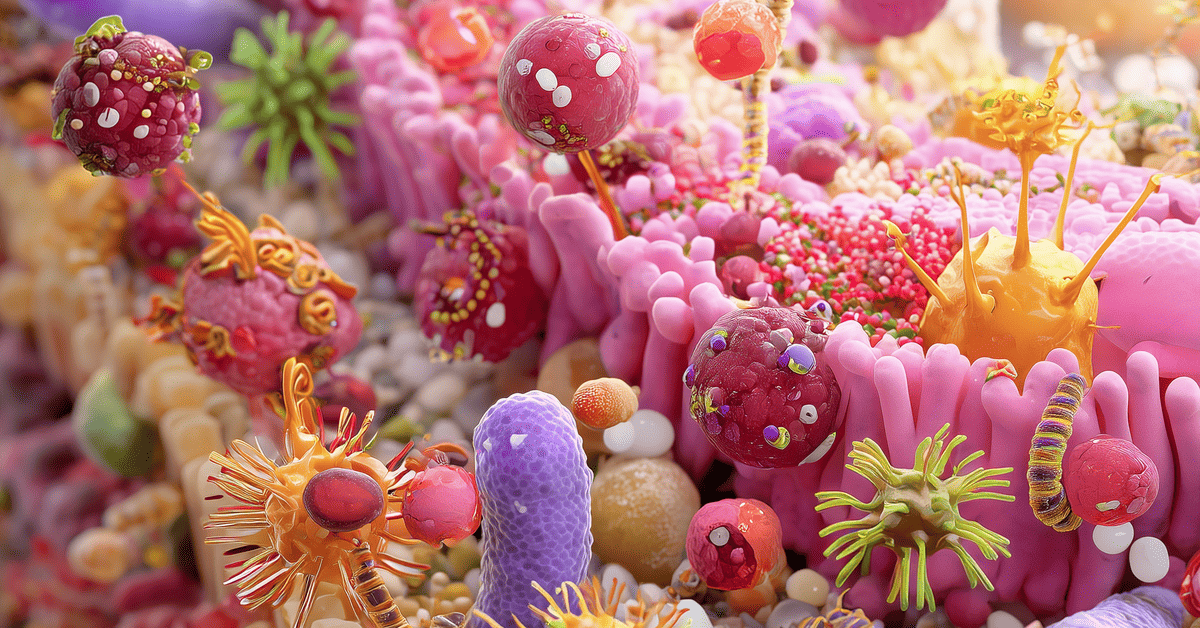
The composition of your gut microbiome directly influences how efficiently your mitochondria produce energy. Beneficial bacteria support mitochondrial health through multiple mechanisms, whilst an imbalanced microbiome can accelerate mitochondrial aging.
One crucial aspect involves inflammation. When gut microbiome composition becomes disrupted, harmful bacteria can trigger chronic low-grade inflammation throughout your body. This inflammatory state forces mitochondria to work harder whilst simultaneously damaging their delicate structures, creating a vicious cycle that accelerates aging.
The functions of this microbiome extend to regulating your immune system, which in turn affects mitochondrial health. A well-balanced microbiome trains your immune cells to respond appropriately to threats without creating excessive inflammation that damages mitochondria. This immune regulation becomes increasingly important as we age, when both systems naturally become more prone to dysfunction.
Your intestinal bacteria also influence nutrient absorption and metabolism, determining how effectively your body extracts and delivers the raw materials mitochondria need for energy production. Without optimal nutrient availability, even healthy mitochondria cannot function at their best.
Key Takeaways: Gut bacteria regulate inflammation levels that directly impact mitochondrial function. The microbiome controls nutrient absorption and immune responses, both essential for maintaining healthy mitochondrial aging.
The Role of Microbial Metabolites in Mitochondrial Function
Perhaps the most direct way the microbiome of the gut influences mitochondrial aging is through the production of specific metabolites – compounds created when gut bacteria break down the food you eat. These metabolites enter your bloodstream and interact with mitochondria throughout your body.
Short-chain fatty acids, particularly butyrate, represent some of the most beneficial metabolites for mitochondrial health. When these bacteria ferment dietary fibre, they produce these compounds, which serve as both fuel and signalling molecules for mitochondria. Butyrate enhances mitochondrial efficiency, reduces oxidative stress, and even promotes the creation of new mitochondria¹.
Other important metabolites include certain amino acids and vitamins produced by beneficial gut bacteria. These compounds support the complex enzymatic processes within mitochondria and help maintain the protective membranes surrounding these cellular powerhouses.
Conversely, an unhealthy microbiome and intestinal health status can lead to production of harmful metabolites. These toxic compounds can damage mitochondrial DNA, disrupt energy production, and accelerate the aging process at a cellular level.
Key Takeaways: Beneficial gut bacteria produce metabolites like butyrate that directly fuel and protect mitochondria.
Diet Strategies for Mitochondrial Support
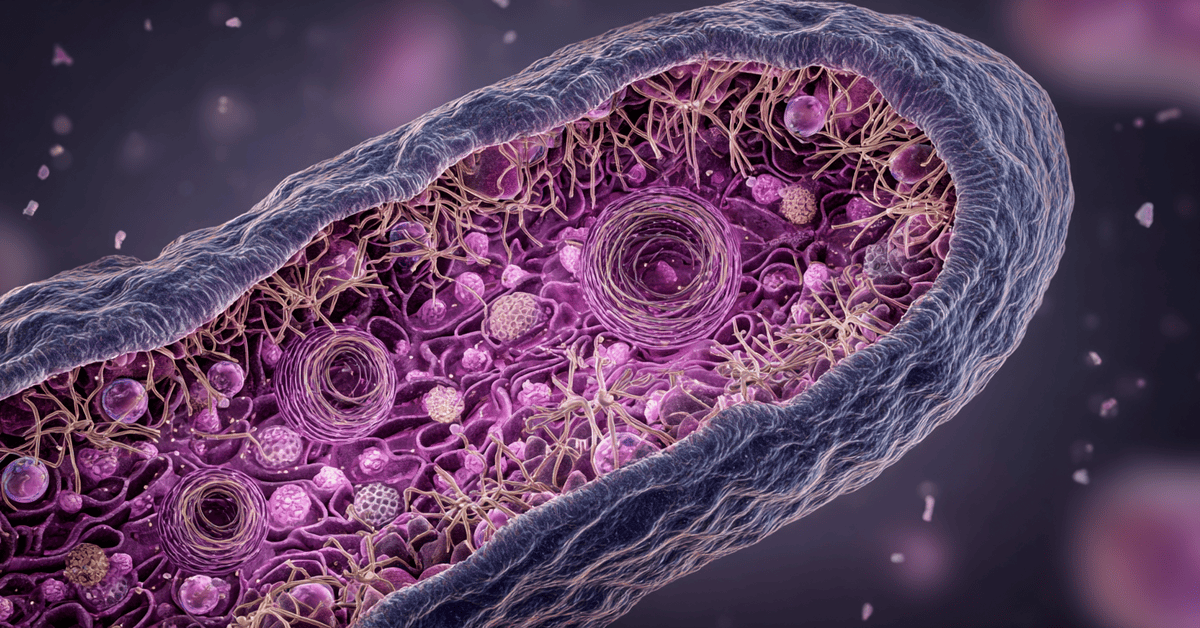
Supporting both your gut microbiome and mitochondria requires thoughtful dietary choices that nourish beneficial bacteria whilst providing the nutrients mitochondria need to thrive.
Essential Dietary Principles:
- Consume diverse plant fibres from vegetables, fruits, legumes, whole grains, and nuts to feed beneficial bacteria
- Include fermented foods like yoghurt, kefir, sauerkraut, and kimchi to introduce helpful bacterial strains
- Prioritise antioxidant-rich foods such as berries, leafy greens, and colourful vegetables to protect mitochondria from oxidative damage
- Choose healthy fats from sources like olive oil, avocados, and fatty fish to support mitochondrial membranes
- Limit processed foods, refined sugars, and artificial additives that disrupt microbiome balance and harm mitochondria
The microbiome health diet approach emphasises variety and wholefood nutrition. Different bacterial species thrive on different types of fibre, so eating a wide range of plant foods promotes a diverse, resilient microbiome that better supports mitochondrial function.
Polyphenols found in foods like green tea, dark chocolate, and colourful fruits deserve special mention. These compounds support both systems – feeding beneficial gut bacteria whilst directly protecting mitochondria from age-related damage.
Key Takeaways: A diverse, plant-rich diet supports beneficial intestinal bacteria that produce mitochondrial-supporting metabolites. Antioxidants and healthy fats protect both systems from oxidative damage and inflammation.
Practical Ways to Optimise Both Systems
Regular physical activity benefits both systems remarkably. Exercise promotes beneficial shifts in gut microbiome composition whilst simultaneously stimulating the production of new mitochondria and improving their efficiency. Even moderate movement like brisk walking offers significant benefits for both systems.
Managing stress is equally crucial. Chronic stress disrupts intestinal bacteria balance and impairs mitochondrial function through elevated cortisol and inflammation. Practices like meditation, yoga, or simply spending time in nature can help maintain the delicate balance both systems require.
Sleep quality profoundly affects both the intestinal microbiome and mitochondrial health. During sleep, your body performs essential repair and maintenance functions for both systems. Prioritising consistent, quality sleep supports optimal function and slows age-related decline.
Avoiding unnecessary antibiotics and medications that disrupt gut bacteria helps maintain the beneficial species that support mitochondrial health. When antibiotics are necessary, following up with probiotic-rich foods or supplements can help restore balance.
Key Takeaways: Regular exercise, stress management, and quality sleep support both intestinal microbiome and mitochondrial health.
FAQs
Mitochondrial dysfunction in inflammatory bowel disease (IBD) contributes to impaired cellular energy production, increased inflammation, and tissue damage, exacerbating disease symptoms and progression.
The gut microbiome influences healthy aging by regulating inflammation, supporting nutrient absorption, and enhancing mitochondrial function, all of which contribute to improved longevity and vitality.
References
- Qiao, L., Yang, G., Wang, P., & Xu, C. (2024). The potential role of mitochondria in the microbiota‑gut‑brain axis: Implications for brain health. Pharmacological Research, 209, 107434. https://doi.org/10.1016/j.phrs.2024.107434