
Microbiome’s Impact on Mitochondrial Health: Uncovering the Hidden Connection
Inside your body right now, trillions of tiny organisms are working alongside cellular powerhouses to keep you alive, energised, and healthy. The “microbiome” in gut tissue and mitochondria in your cells form an extraordinary partnership that influences everything from your energy levels to your immune system. Understanding this dynamic duo offers fascinating insights into how your body functions and, more importantly, how you can support these systems to feel your best every day.
Most wellness enthusiasts focus on diet, exercise, and sleep, yet few realise that these fundamental health pillars directly impact the microscopic worlds thriving inside us. Your gut microbiome – that vast community of bacteria, fungi, and other microorganisms – communicates constantly with your mitochondria, the energy-producing structures found in nearly every cell. This conversation shapes your metabolism, inflammation levels, mental clarity, and overall vitality in ways scientists are only beginning to fully appreciate.
Understanding the Meaning of Microbiome
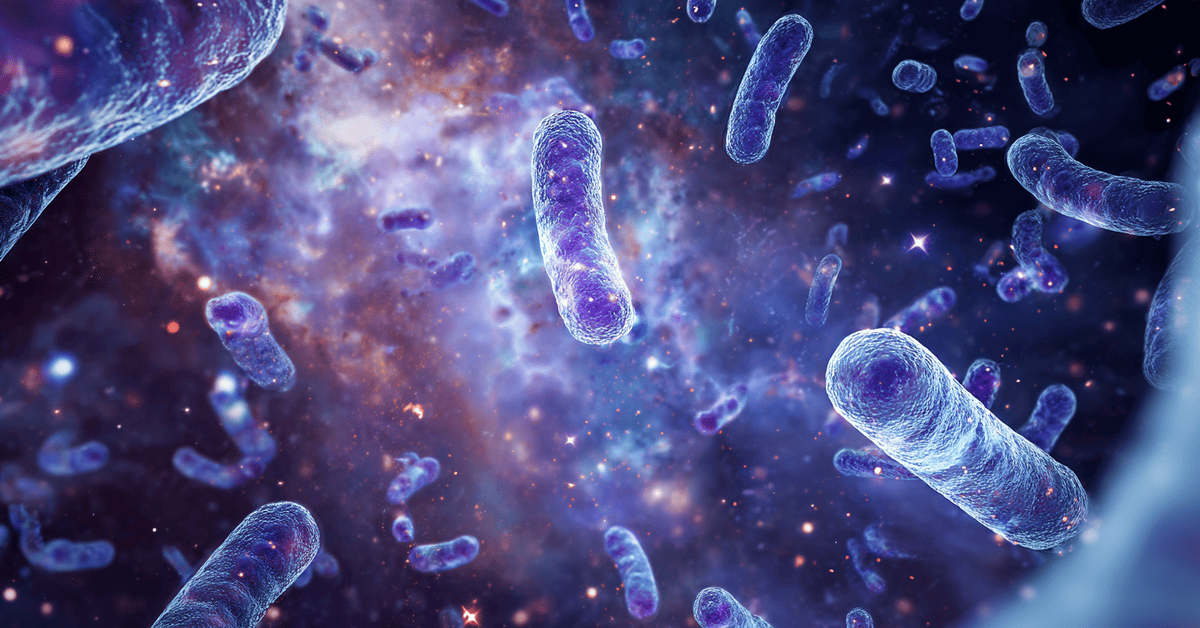
The microbiome meaning extends far beyond a simple collection of bacteria. Your microbiome represents an entire ecosystem of microorganisms – including bacteria, viruses, fungi, and other microscopic life forms – that inhabit various parts of your body, particularly your digestive tract. Think of it as an internal rainforest, with diverse species working together in a delicate balance.
The microbiome in gut tissue alone contains roughly 100 trillion microorganisms, outnumbering your human cells. These microscopic residents aren’t merely passengers; they’re active participants in your health. They help digest food, produce vitamins, train your immune system, and even manufacture neurotransmitters that influence your mood and mental health.
Each person’s microbiome is unique, shaped by factors including birth method, early life experiences, diet, medications, stress levels, and environmental exposures. This personalised microbial fingerprint changes throughout your lifetime, responding to your lifestyle choices and environmental conditions. When balanced, this community functions harmoniously, but disruptions can lead to various health challenges ranging from digestive discomfort to more complex systemic issues.
What is Mitochondria and Why it Matters
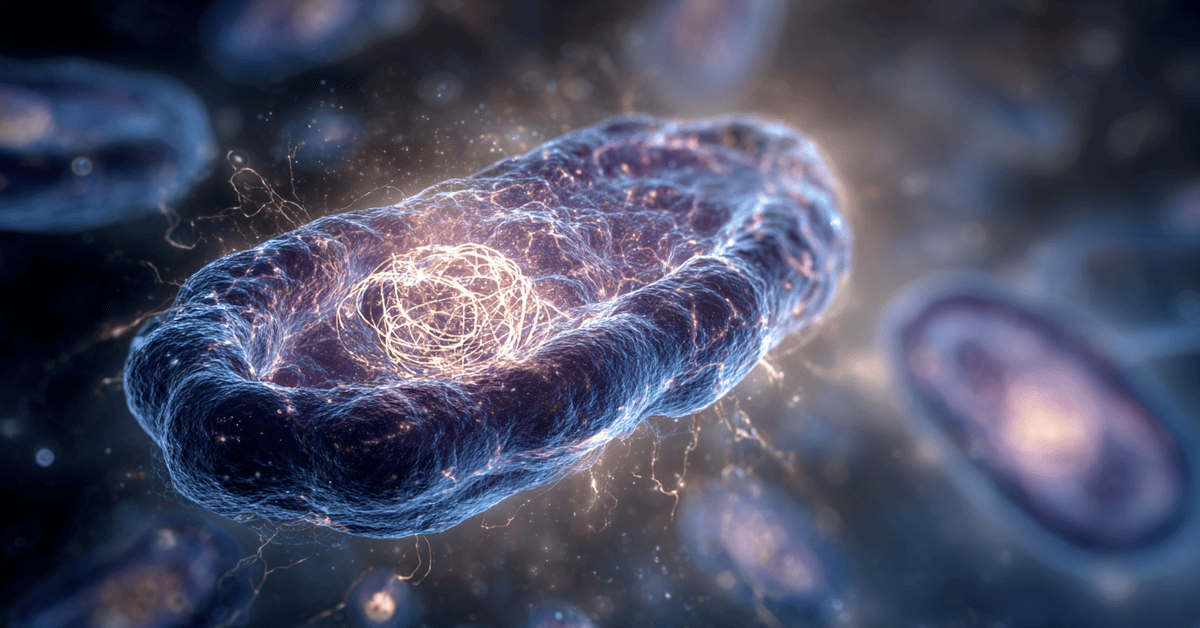
Mitochondria is often described as the powerhouse of the cell, but this description barely scratches the surface of what these remarkable organelles accomplish. Present in nearly all your cells – with particularly high concentrations in energy-demanding tissues like your brain, heart, and muscles – mitochondria perform the crucial task of converting nutrients from food into useable cellular energy.
The mitochondria role extends well beyond energy production. These dynamic structures regulate cell growth and death, control calcium signalling, produce heat to maintain body temperature, and even influence how your cells respond to stress.
Each cell can contain anywhere from a few dozen to several thousand mitochondria, depending on its energy requirements. Nerve cells and muscle fibres, for instance, pack thousands of mitochondria to meet their constant energy demands. When mitochondria function optimally, you experience sustained energy, mental clarity, and efficient recovery from physical exertion. When they struggle, you may notice fatigue, brain fog, and decreased resilience.
The Mitochondria "ATP" Meaning: Your Body's Energy Currency
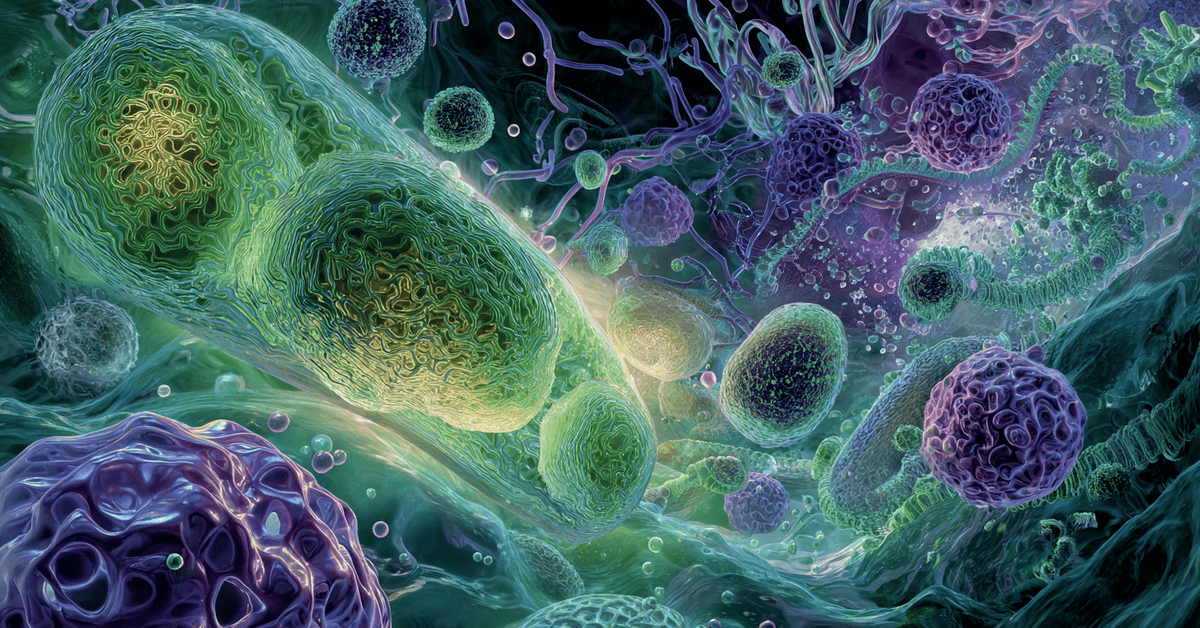
The mitochondria ATP meaning refers to how these organelles produce adenosine triphosphate (ATP) – the universal energy currency that powers virtually every process in your body. ATP molecules act like rechargeable batteries, storing and releasing energy as needed for everything from muscle contractions to neurotransmitter production.
Mitochondria generate ATP through a sophisticated process called cellular respiration. They take nutrients from the food you eat, particularly glucose and fatty acids, and combine them with oxygen through a series of chemical reactions. This process occurs across the inner mitochondrial membrane in a remarkably efficient energy-transfer system that produces up to 36 ATP molecules from a single glucose molecule.
Your body produces and recycles approximately your body weight in ATP every single day, demonstrating the constant energy demands of staying alive. During intense physical activity, this production can increase twentyfold. The efficiency of your ATP production directly influences your physical performance, mental sharpness, and recovery capacity. When mitochondria struggle to produce adequate ATP, cells cannot function properly, leading to the characteristic fatigue and dysfunction seen in various health conditions.
Exploring Microbiome Benefits for Overall Wellness

The microbiome benefits extend throughout your entire body, influencing systems you might never associate with gut bacteria. A healthy, diverse gut microbiome supports digestive health by breaking down complex carbohydrates, producing short-chain fatty acids, and maintaining the intestinal barrier that prevents harmful substances from entering your bloodstream.
Your immune system relies heavily on gut microbes for proper development and function. Approximately 70% of your immune system resides in or around your digestive tract, where beneficial bacteria train immune cells to distinguish between helpful and harmful invaders. This education helps prevent both infections and inappropriate immune responses like allergies or autoimmune reactions.
Beyond immunity and digestion, your gut microbiome influences mental health through the gut-brain axis – a bidirectional communication highway between your digestive system and brain. Gut bacteria produce neurotransmitters including serotonin, dopamine, and GABA, which affect mood, anxiety levels, and cognitive function. They also generate compounds that influence inflammation throughout your body, impacting everything from skin health to joint comfort.
The microbiome even affects your metabolism and weight management by influencing how efficiently you extract energy from food, how you store fat, and how your body regulates blood sugar levels. Certain bacterial species have been associated with healthy weight maintenance, whilst others may contribute to metabolic challenges when overrepresented.
The Fascinating Connection Between Microbiome and Mitochondria
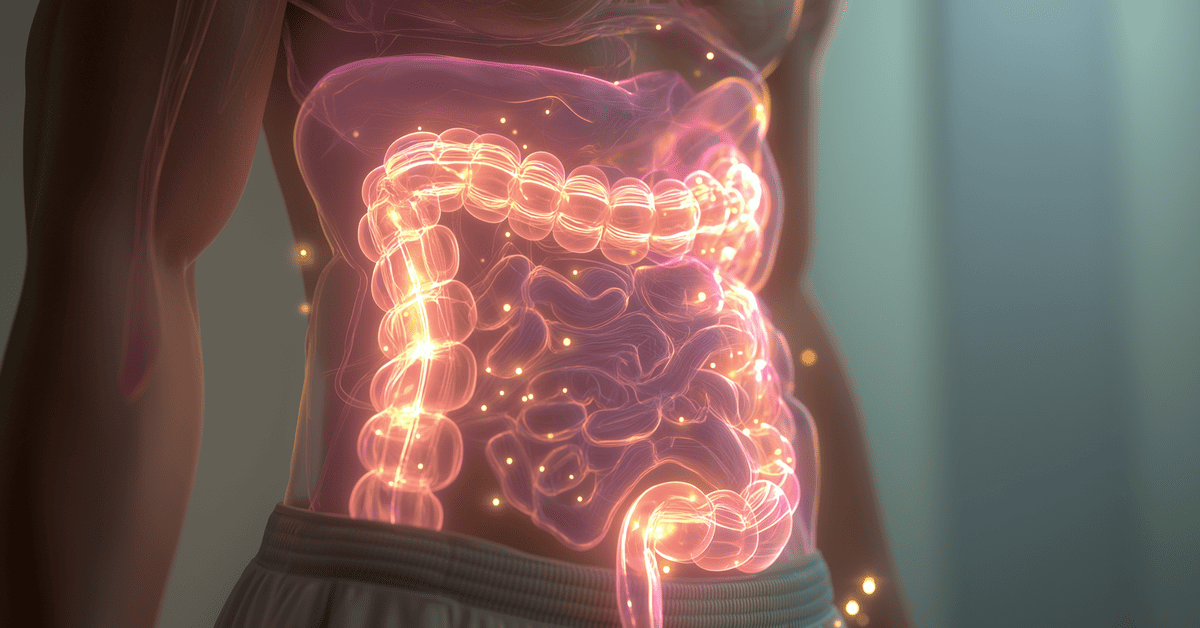
Recent research reveals an intricate relationship between your gut microbiome and mitochondrial function that goes far deeper than previously imagined. These two systems communicate through multiple pathways, creating a feedback loop that significantly impacts your overall health and energy levels.
Gut bacteria produce metabolites – chemical compounds released during their digestive processes – that directly influence mitochondrial efficiency. Short-chain fatty acids like butyrate, produced when beneficial bacteria ferment dietary fibre, serve as preferred fuel sources for cells lining your colon whilst also signalling mitochondria in other tissues to optimise their function. These compounds can enhance mitochondrial ATP production, improve cellular energy efficiency, and reduce oxidative stress that damages cellular structures.
The microbiome also influences mitochondrial health through its impact on inflammation. An imbalanced gut microbiome can trigger chronic low-grade inflammation that impairs mitochondrial function throughout your body. Conversely, mitochondrial dysfunction can compromise the intestinal barrier, allowing bacterial components to leak into circulation and trigger inflammatory responses that further disrupt the gut microbiome – creating a problematic cycle.
Intriguingly, mitochondria and certain gut bacteria share evolutionary origins as ancient bacteria, which may explain their sophisticated communication systems. Both use similar signalling molecules and respond to comparable environmental cues.
How to Increase Healthy Gut Microbiome Naturally

The following strategies offer evidence-based approaches to nurturing your internal ecosystem:
Dietary Diversity and Fermented Foods:
- Consume at least 30 different plant foods weekly to provide varied fibres that feed different bacterial species
- Include fermented foods like yoghurt, kefir, sauerkraut, kimchi, and kombucha that contain beneficial live bacteria
- Add prebiotic-rich foods such as garlic, onions, leeks, asparagus, and Jerusalem artichokes that nourish existing beneficial bacteria
- Choose whole grains over refined carbohydrates to provide complex fibres that support microbial diversity
- Incorporate polyphenol-rich foods like berries, dark chocolate, green tea, and extra virgin olive oil that beneficial bacteria metabolise into health-promoting compounds
Variety truly matters when feeding your microbiome. Different bacterial species thrive on different food sources, so dietary diversity directly translates to microbial diversity. Fermented foods act as natural probiotics, introducing beneficial bacteria whilst also providing compounds that support the intestinal barrier and reduce inflammation.
Lifestyle Strategies for Microbiome and Mitochondrial Health
Beyond dietary choices, several lifestyle factors profoundly influence both your gut microbiome and mitochondrial function:
Movement and Exercise Patterns:
- Engage in regular moderate-intensity exercise, which increases beneficial bacterial diversity in the gut
- Include both aerobic activities and resistance training to stimulate mitochondrial biogenesis- the creation of new mitochondria
- Avoid excessive high-intensity training without adequate recovery, which can stress both systems
- Incorporate movement throughout your day rather than exercising intensely then remaining sedentary
- Consider outdoor activities that expose you to environmental microbes, which can beneficially colonise your gut
Sleep and Circadian Rhythm Support:
- Maintain consistent sleep and wake times to support both microbial and mitochondrial circadian rhythms
- Aim for seven to nine hours of quality sleep nightly, as sleep deprivation disrupts gut bacteria balance
- Create darkness in your sleeping environment to optimise melatonin production, which supports mitochondrial function
- Avoid late-night eating, which disrupts the natural fasting period that allows gut bacteria to perform maintenance functions
- Expose yourself to bright natural light in the morning to reinforce healthy circadian patterns
Your gut microbiome follows daily rhythms that influence metabolism, immune function, and intestinal barrier integrity. Similarly, mitochondria function according to circadian patterns, with energy production peaking at specific times. Disrupting these rhythms through irregular sleep schedules, shift work, or jet lag can impair both systems, contributing to metabolic dysfunction and reduced energy levels.
Nutrients That Support Both Systems
Certain nutrients play particularly important roles in maintaining healthy microbiome and mitochondrial function:
Essential Micronutrients:
- B vitamins (especially B12, folate, and riboflavin) that support mitochondrial energy production and are produced by certain gut bacteria
- Magnesium, required for over 300 enzymatic reactions including ATP synthesis
- Coenzyme Q10, a crucial component of the mitochondrial electron transport chain
- Omega-3 fatty acids that reduce inflammation whilst supporting both mitochondrial membranes and gut barrier integrity
- Polyphenols and antioxidants that protect mitochondria from oxidative damage whilst feeding beneficial gut bacteria
Many of these nutrients demonstrate the beautiful synergy between microbiome and mitochondrial health. Your gut bacteria can produce certain B vitamins and vitamin K, supporting mitochondrial function, whilst healthy mitochondria ensure intestinal cells have adequate energy to maintain the gut barrier.
Factors That Disrupt Microbiome and Mitochondrial Health

Understanding what harms these systems helps you make informed choices to protect them:
Common Disruptors to Minimise:
- Unnecessary antibiotic use, which indiscriminately kills beneficial and harmful bacteria alike
- Chronic stress that alters gut bacteria composition whilst impairing mitochondrial function
- Ultra-processed foods containing emulsifiers, artificial sweeteners, and additives that damage the gut microbiome
- Excessive alcohol consumption that increases intestinal permeability whilst damaging mitochondria
- Environmental toxins including pesticides, heavy metals, and certain plastics that impair both systems
Antibiotics serve crucial roles in treating bacterial infections, but their overuse or inappropriate application can devastate your gut microbiome for months or even years. If you require antibiotics, discuss probiotic supplementation with your healthcare provider.
Chronic psychological stress deserves particular attention because it affects both systems through multiple pathways. Stress hormones alter gut bacteria composition, increase intestinal permeability, impair mitochondrial function, and increase oxidative stress throughout your body.
Practical Integration: Your Daily Action Plan
Morning Rituals:
- Begin your day with exposure to natural morning light to set your circadian rhythm
- Include fermented foods with breakfast, such as yoghurt with berries and ground flaxseeds
- Stay well-hydrated throughout the day to support both digestive function and cellular processes
- Consider a brief morning walk to activate both systems gently
- Practice five minutes of deep breathing or meditation to manage stress hormones
Throughout the Day:
- Choose whole, minimally processed foods at each meal with plenty of colourful vegetables
- Include protein sources with each meal to support mitochondrial repair and maintenance
- Take movement breaks every hour if you work at a desk
- Manage stress through regular breaks, nature exposure, or mindfulness practices
- Avoid continuous snacking to allow periods of metabolic rest
Evening Practices:
- Finish eating at least three hours before bedtime to support overnight gut maintenance
- Dim lights and reduce screen exposure in the evening to support natural melatonin production
- Prepare a consistent bedtime routine that signals your body to wind down
- Keep your sleeping environment cool, dark, and quiet
- Consider gentle evening stretching or yoga to manage daily stress accumulation
Consistency matters more than perfection. Small, sustainable changes implemented daily create more significant long-term benefits than occasional intensive efforts.