
How Garlic Supports Mitochondrial Health Naturally
Your mitochondria serve as the powerhouses of your cells, converting nutrients from food into usable energy that fuels every bodily function. These tiny organelles produce adenosine triphosphate, the energy currency your body relies upon for everything from breathing to thinking. When mitochondrial function declines, you may experience fatigue, brain fog, weakened immunity, and accelerated ageing.
Maintaining robust mitochondrial health becomes increasingly important as we age, face environmental stressors, or manage demanding lifestyles. Healthy mitochondria generate energy efficiently whilst producing fewer damaging byproducts. They also communicate effectively with other cellular components, triggering repair mechanisms when needed and eliminating damaged cells through controlled processes.
The exciting news? Your daily food choices significantly influence mitochondrial function, and garlic emerges as a particularly powerful dietary ally in this regard.
The Powerful Impact on Cellular Energy

Garlic contains an impressive array of sulphur compounds, particularly allicin, which forms when its cloves are crushed or chopped. These bioactive compounds interact with cellular pathways in remarkable ways, offering protective effects that extend deep into mitochondrial function.
The sulphur-containing molecules in garlic help neutralise harmful free radicals that would otherwise damage mitochondrial membranes and DNA. This protective action preserves the integrity of these cellular powerhouses, allowing them to maintain efficient energy production over time. Additionally, these compounds support the electron transport chain, the crucial series of reactions where most cellular energy generation occurs.
Research into garlic’s effects on cellular metabolism reveals its ability to enhance antioxidant enzyme activity within cells. These enzymes provide an internal defence system, protecting mitochondria from oxidative stress whilst supporting their natural repair mechanisms. The cumulative effect creates an environment where mitochondria can thrive and perform optimally.
Garlic Raw Health Benefits for Mitochondria

Raw garlic proves particularly noteworthy because heat can degrade some of garlic’s most beneficial compounds. When you consume the raw form, you maximise your intake of allicin and other sulphur compounds that directly support mitochondrial function.
Raw garlic offers these specific advantages for cellular energy:
- Delivers concentrated allicin content that enhances mitochondrial antioxidant defences
- Provides diallyl disulphide, which activates protective cellular pathways
- Contains selenium and other minerals essential for mitochondrial enzyme function
- Supplies quercetin and other flavonoids that reduce mitochondrial inflammation
- Offers prebiotic fibres that support gut bacteria producing mitochondria-friendly metabolites
Crushing or chopping this seasoning and allowing it to sit for approximately ten minutes before consumption maximises allicin formation. This simple preparation step ensures you receive the full spectrum of beneficial compounds that support your cellular powerhouses.
The pungent taste of raw garlic might seem intense initially, but incorporating small amounts regularly proves more beneficial than occasional large doses. Your body adapts to garlic’s flavour whilst your cells reap consistent mitochondrial support.
How to Have Healthy Mitochondria Through Diet

Understanding how to have healthy mitochondria requires recognising that these organelles need specific nutrients to function optimally. Beyond garlic, several dietary strategies work synergistically to support mitochondrial health and energy production.
Your mitochondria require B vitamins to convert food into energy, particularly vitamins B1, B2, B3, and B5. They need coenzyme Q10 for electron transport, magnesium for hundreds of enzymatic reactions, and omega-3 fatty acids for membrane integrity. Antioxidants from colourful vegetables protect against oxidative damage, whilst adequate protein provides amino acids for mitochondrial repair and regeneration.
Timing matters too. Allowing periods between meals gives mitochondria time to perform maintenance activities, including clearing out damaged components through a process called mitophagy. This cellular housekeeping ensures only healthy, efficient mitochondria remain active.
Combining garlic with other mitochondria-supporting foods creates a powerful nutritional foundation. Think of your diet as providing both the fuel and the maintenance crew your cellular powerhouses need to perform brilliantly day after day.
Garlic Health Properties That Support Energy Production
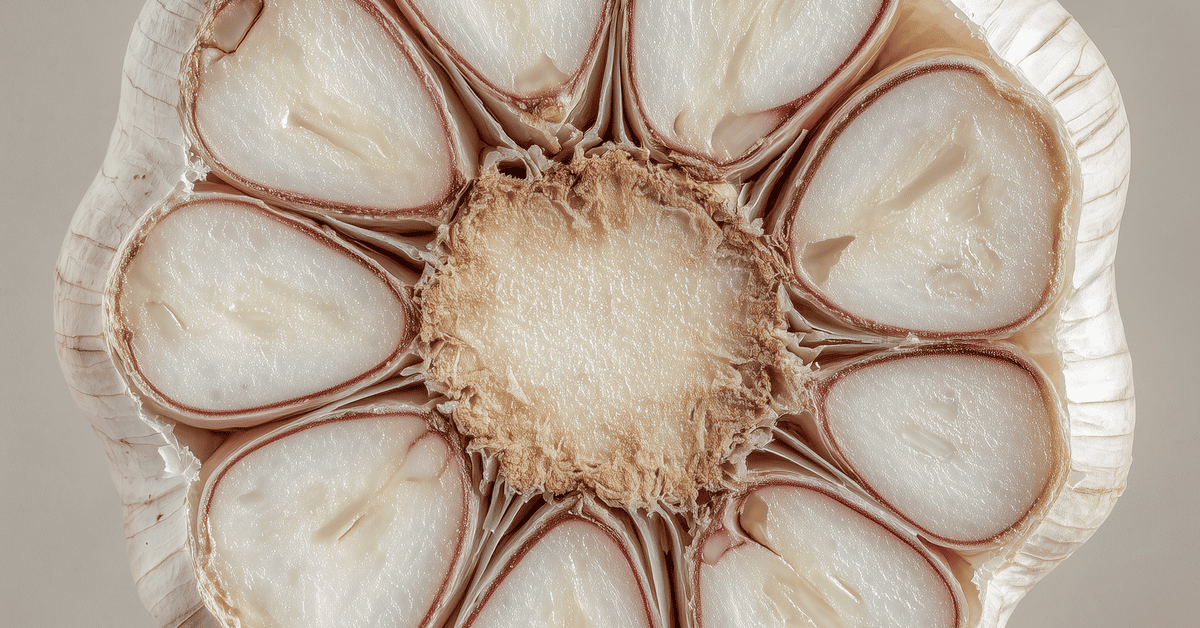
The health properties most relevant to mitochondrial function extend beyond simple antioxidant activity. Garlic influences gene expression, modulates inflammatory signalling, and supports metabolic flexibility – your body’s ability to efficiently switch between different fuel sources.
This seasoning’s sulphur compounds activate a cellular pathway called Nrf2, which switches on genes responsible for antioxidant production and detoxification. This protective mechanism shields mitochondria from environmental toxins, metabolic byproducts, and inflammatory molecules that would otherwise impair energy production.
Additionally, it supports healthy blood flow, ensuring mitochondria receive adequate oxygen and nutrients whilst efficiently removing waste products. This circulatory support proves particularly important for tissues with high energy demands, such as your brain, heart, and muscles.
Its antimicrobial properties also contribute indirectly to mitochondrial health. By supporting a balanced gut microbiome, garlic helps maintain the beneficial bacteria that produce short-chain fatty acids and other metabolites that positively influence mitochondrial function throughout your body.
Mitochondria Repair Diet: Essential Components
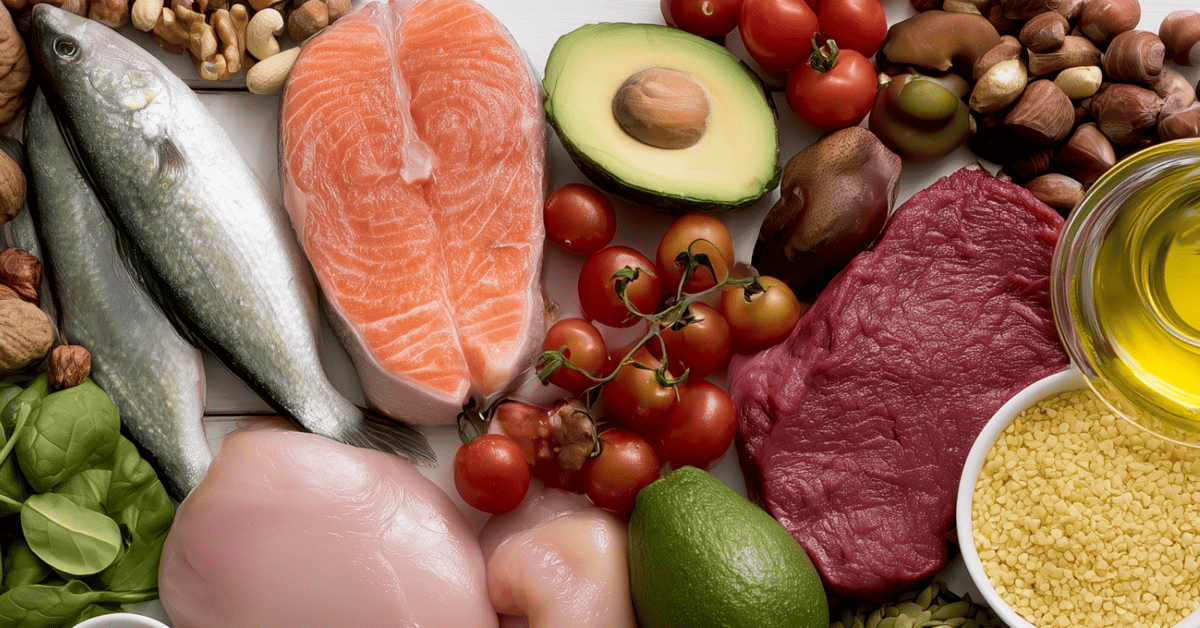
A thoughtfully constructed mitochondria repair diet combines specific nutrients that support the replacement of damaged mitochondria with healthy new ones. This process, called mitochondrial biogenesis, responds positively to certain dietary patterns and bioactive compounds.
Key elements of a mitochondria-supporting eating pattern include:
- Colourful vegetables providing polyphenols that trigger mitochondrial biogenesis
- Quality proteins offering amino acids necessary for mitochondrial structure
- Healthy fats from sources like olive oil, avocados, and fatty fish
- Fermented foods supporting gut bacteria that produce mitochondria-friendly compounds
- Herbs and spices, particularly garlic, that activate protective cellular pathways
Avoiding processed foods, excessive sugar, and damaged fats proves equally important. These dietary elements create oxidative stress and inflammation that burden mitochondria, forcing them to work harder whilst simultaneously damaging their delicate structures.
Regular consumption fits beautifully into this framework, providing concentrated bioactive compounds that support multiple aspects of mitochondrial health simultaneously. Whether raw, cooked, or aged, this seasoning deserves a regular place on your plate.
Natural Mitochondrial Support with Garlic Peeled Form
Preparing the peeled form properly maximises its mitochondrial benefits whilst making it easier to incorporate into various dishes. Fresh garlic cloves contain the enzyme alliinase alongside the compound alliin. When you crush or chop garlic, these two components mix, forming allicin – the compound responsible for many of its health benefits.
The peeling process itself requires a gentle touch to preserve the beneficial properties. Simply press the flat side of a knife against the clove, applying enough pressure to loosen the papery skin without crushing the clove completely. This technique maintains its integrity whilst making removal of the skin straightforward.
Once peeled, use this seasoning within a few hours for maximum benefit, as exposure to air gradually diminishes its potent compounds. Alternatively, prepare garlic and allow it to rest for ten minutes before cooking, which permits allicin formation to complete before heat application.
For those seeking convenience alongside health benefits, the pre-peeled form from reputable sources provides an acceptable alternative, though freshly peeled cloves typically offer superior nutritional value. Store peeled cloves in the refrigerator for up to a week, keeping them in a sealed container to maintain freshness.
Mitochondrial Energy Support Through Daily Nutrition
Achieving consistent mitochondrial energy support requires thoughtful attention to your overall dietary pattern rather than relying on single foods or supplements. Garlic serves as one component within a broader nutritional strategy designed to optimise cellular function.
Start your day with protein-rich foods that provide amino acids for mitochondrial repair. Include healthy fats that supply the building blocks for mitochondrial membranes. Add colourful vegetables offering antioxidants that protect against oxidative damage. Throughout the day, maintain stable blood sugar through balanced meals combining protein, healthy fats, and fibre-rich carbohydrates.
The seasoning fits naturally into this pattern, enhancing both the flavour and the nutritional value of your meals. Adding minced garlic to morning eggs, lunchtime salads, or evening vegetable dishes provides regular doses of mitochondria-supporting compounds without requiring special preparation or dramatic dietary changes.
Hydration matters too. Your mitochondria need adequate water to function optimally, as many energy-producing reactions occur in aqueous environments. Aim for clear, pale urine as a simple indicator of appropriate hydration status.
Healthy Recipes for Optimal Wellness
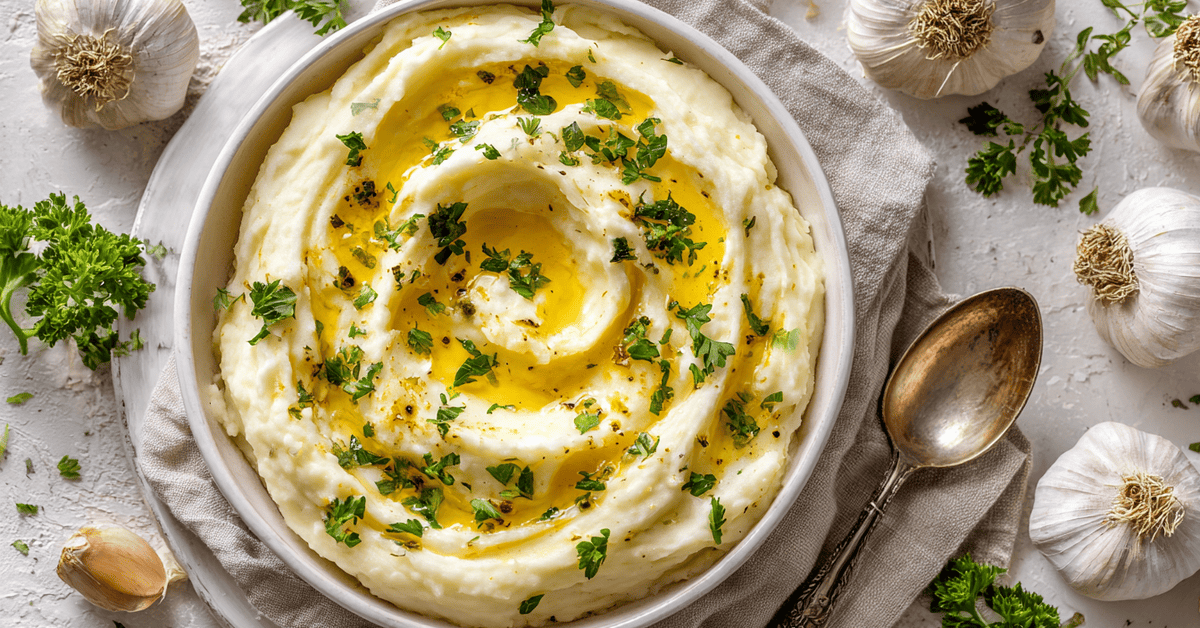
These garlic healthy recipes showcase delicious ways to incorporate this mitochondria-supporting powerhouse into your daily routine. Each recipe emphasises simple preparation methods that preserve garlic’s beneficial compounds whilst creating satisfying, nutritious meals.
Mitochondria-Boosting Garlic Greens
Sauté fresh spinach or kale in olive oil with crushed garlic, finishing with a squeeze of lemon juice. The combination provides iron for oxygen transport, healthy fats for mitochondrial membranes, and garlic’s protective compounds. Serve alongside grilled fish or chicken for a complete mitochondria-supporting meal.
Raw Garlic Wellness Dressing
Blend raw garlic with tahini, lemon juice, olive oil, and fresh herbs to create a nutrient-dense dressing. This preparation preserves allicin whilst making the raw form more palatable. Drizzle over roasted vegetables, grain bowls, or use as a dip for crudités.
Energy-Supporting Bone Broth
Simmer bones with garlic, vegetables, and herbs for hours to extract minerals and amino acids crucial for mitochondrial function. The garlic infuses throughout, whilst the resulting broth provides readily absorbable nutrients that support cellular repair and energy production.
Roasted with Cauliflower Mash
Roast whole garlic cloves until soft and caramelised, then blend with steamed cauliflower, olive oil, and sea salt. This comforting side dish delivers garlic’s benefits in a milder form alongside cruciferous vegetables that support detoxification pathways protecting mitochondria.
Quick Stir-Fry
Prepare thinly sliced vegetables in a hot pan with crushed garlic, ginger, and coconut aminos. The quick cooking preserves nutrients whilst the garlic and ginger combination provides powerful anti-inflammatory compounds supporting mitochondrial health.
Practical Tips for Maximising Benefits

Implementing these practical strategies ensures you receive maximum mitochondrial support from garlic and your overall dietary pattern. Small, consistent actions accumulate into significant health improvements over time.
Start by adding one clove of fresh garlic to at least one meal daily. Gradually increase as your palate adjusts, aiming for two to three cloves daily for optimal mitochondrial support. Crush or chop the seasoning and allow it to rest before cooking or consuming to maximise allicin formation.
Combine with other mitochondria-supporting foods for synergistic effects:
- Pair with turmeric and black pepper for enhanced anti-inflammatory activity
- Include alongside oily fish for omega-3 fatty acids and selenium
- Add to leafy greens providing magnesium and B vitamins
- Mix with olive oil for healthy fats and additional antioxidants
- Incorporate into meals featuring colourful vegetables supplying varied phytonutrients
Consider your cooking methods carefully. Light sautéing preserves more beneficial compounds than prolonged high-heat cooking. Raw preparations offer maximum allicin content but cooked form provides other valuable compounds and remains gentler on sensitive digestive systems.
Monitor your energy levels, sleep quality, and overall wellbeing as you increase consumption. Many people notice improvements within weeks, though optimal mitochondrial function develops through sustained healthy habits over months and years.
Key Takeaways
Supporting your mitochondrial health through garlic consumption represents a simple yet powerful wellness strategy backed by scientific understanding. This remarkable bulb contains concentrated bioactive compounds that protect mitochondria from damage, enhance energy production, and support your cells’ natural repair mechanisms.
Remember that this seasoning works best as part of a comprehensive approach to wellness. Combine regular consumption with adequate sleep, stress management, physical activity, and a nutrient-dense diet rich in colourful vegetables, quality proteins, and healthy fats. This holistic approach creates optimal conditions for mitochondrial health and vibrant energy.
Whether you prefer raw garlic’s intense flavour, enjoy the roasted form’s mellow sweetness, or appreciate the convenience of pre-peeled cloves, numerous options exist for incorporating this mitochondria-supporting food into your daily routine. Start small, stay consistent, and allow your body to adapt whilst your cellular powerhouses receive the nutritional support they need to keep you energised, focused, and thriving.
Your mitochondria work tirelessly every moment of every day. Nourishing them well with garlic and other supportive foods represents one of the most fundamental investments you can make in your long-term health and vitality.