
What Is Mitochondrial DNA (mtDNA)?: Your Secret Energy Code
Reviewed & Edited by: Dr. Dooa Arif, Content Strategist
Estimated Reading Time: 6 minutes
Table of Contents
TL;DR
Mitochondrial DNA (mtDNA) is fascinating because it powers our cells while also acting as a genetic time capsule, tracing our maternal lineage back thousands of years. Its compact structure controls essential energy production and can influence aging, immunity, and certain inherited disorders, making it valuable for both understanding health and uncovering ancestral roots.
Your cells contain two completely different types of genetic material. Whilst nuclear DNA resides in the cell’s control centre and contains the majority of your genetic instructions, mitochondrial DNA (mtDNA) exists in the powerhouses of your cells – the mitochondria. Each cell contains hundreds or thousands of mitochondria, and each mitochondrion harbours multiple copies of this circular genetic molecule.
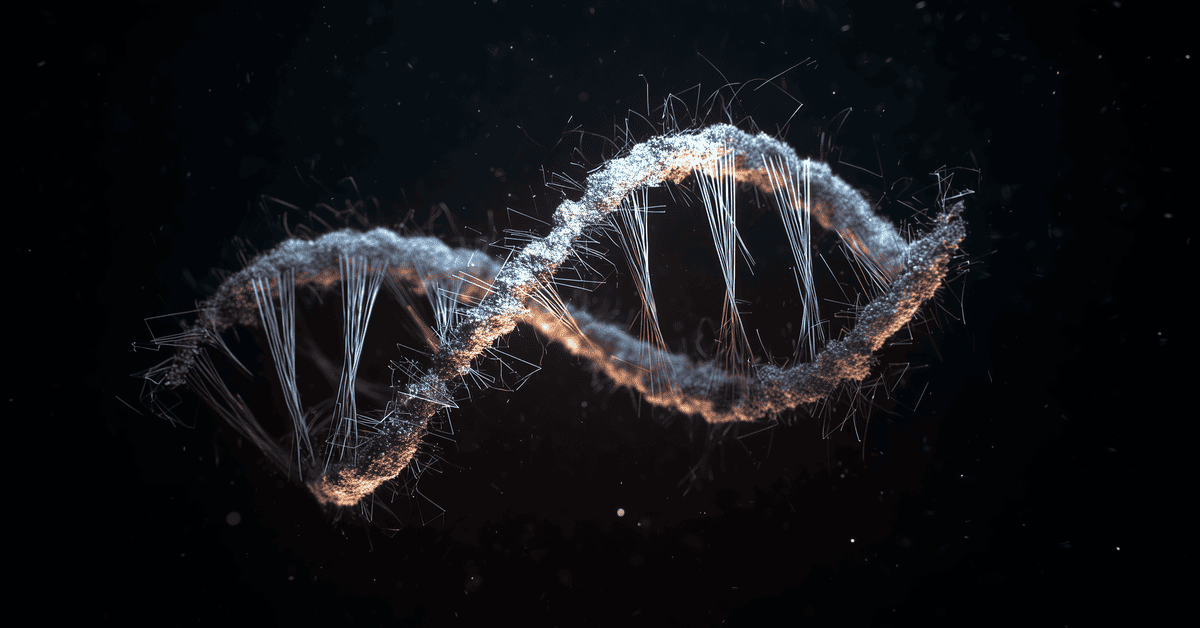
Unlike the familiar double helix structure of nuclear one with its billions of base pairs, mtDNA is remarkably compact. This tiny circular chromosome contains just enough genetic information to produce essential proteins required for energy generation. Think of it as a specialised instruction manual focused solely on keeping your cellular power stations running efficiently.
The compactness of mitochondrial DNA makes it both vulnerable and resilient. With no protective histone proteins, mtDNA faces constant exposure to free radicals generated during energy production. However, its multiple copies per cell provide backup insurance – if one copy becomes damaged, others can compensate.
Key Takeaways: Mitochondria’s DNA exists separately from nuclear DNA within cellular powerhouses. Its circular, compact structure contains essential energy-production instructions. Multiple copies per cell provide protective redundancy against damage.
How Mitochondrial DNA Inheritance Works

Perhaps the most intriguing aspect of mitochondrial DNA inheritance is its exclusively maternal transmission. When fertilisation occurs, the egg cell contributes all mitochondria to the developing embryo, whilst sperm mitochondria are actively destroyed after conception. This means your mtDNA came entirely from your mother, who received it from her mother, creating an unbroken maternal lineage stretching back thousands of generations.
This unique inheritance pattern creates fascinating implications. Brothers and sisters share identical mitochondrial components regardless of their nuclear level differences. A woman passes her mtDNA to all her children, but only daughters continue transmitting it to future generations. Sons carry their mother’s throughout their lives but cannot pass it forward!
Understanding this pattern helps explain certain genetic conditions. Some health conditions linked to mtDNA mutations affect all children of carrier mothers equally, regardless of gender. This differs dramatically from nuclear inheritance, where conditions may skip generations or affect only specific genders.
Key Takeaways: Mitochondria’s DNA passes exclusively through the maternal line. All siblings share identical mtDNA from their mother. Only daughters can transmit them to future generations.
The Origin and Evolution of mtDNA
The mitochondria DNA origin story reads like science fiction. Approximately two billion years ago, an ancient bacterial cell was engulfed by a primitive ancestor of modern cells. Rather than being digested, this bacterium formed a symbiotic relationship with its host, eventually becoming the mitochondria we rely upon today.
This ancient partnership explains why mitochondria retain their own DNA separate from the cell nucleus. Over evolutionary time, most mitochondrial genes migrated to nuclear DNA, but essential energy-production genes remained. This bacterial heritage means your mtDNA more closely resembles bacterial DNA than nuclear one in structure and function.
Your mtDNA accumulates mutations faster than the nuclear one does, creating a molecular clock that traces human migration patterns. Scientists use these genetic variations to map how human populations spread across the globe, identifying distinct maternal lineages that reveal our species’ evolutionary journey. Every person alive today can trace themselves back to a common maternal ancestor who lived in Africa thousands of years ago.
Key Takeaways: Mitochondria originated from ancient symbiotic bacteria. mtDNA preserves this bacterial heritage within human cells. Genetic variations trace human evolutionary and migration history.
Functions of Mitochondrial DNA
The mitochondria DNA function centres on cellular energy production. These genes encode proteins essential for oxidative phosphorylation – the process that converts nutrients into usable cellular energy. Without proper functioning, your cells cannot efficiently produce the energy molecules that power everything from heartbeat to thought.
Thirteen essential proteins involved in energy generation come directly from mtDNA instructions. Additionally, it also produces specialised RNA molecules that help build these energy-production proteins within the mitochondria themselves. This self-contained protein-manufacturing system allows mitochondria to respond quickly to changing energy demands.
Beyond energy production, emerging research suggests mtDNA influences cellular signalling, immune responses, and aging processes. Damaged or mutated mitochondria can trigger cellular stress responses, affecting everything from inflammation levels to metabolic efficiency.
Studies estimate that pathogenic mutations occur in at least about 1 in 200 people worldwide, meaning many people carry potentially harmful mtDNA mutations, and clinically manifest mitochondria diseases occur in approximately 9–12 per 100,000 individuals¹.
Key Takeaways: mtDNA provides instructions for essential energy-production proteins. Their function extends beyond energy to influence aging and immunity.
Reading Your mtDNA Results
Interpreting mtDNA results from genetic testing reveals fascinating information about maternal ancestry and potential health considerations. Your haplogroup assignment places you within a specific branch of the human family tree, identifying which ancient maternal lineage you belong to and tracing your ancestors’ migration routes.
These results can indicate whether you carry certain genetic variants associated with increased or decreased risks for specific conditions. However, interpreting these findings requires understanding that mtDNA variants often have subtle effects. Unlike single-gene disorders, mitochondria level variations typically influence tendencies rather than determining outcomes absolutely.
Your mtDNA results might reveal you share maternal ancestry with specific geographical populations or ethnic groups. This information connects you to ancient migration patterns and can identify distant maternal relatives who share your haplogroup. Some people discover their maternal lineage travelled unexpected routes, revealing surprising ancestral connections across continents and cultures.
Key Takeaways: mtDNA testing identifies your maternal haplogroup and ancestral origins. Results reveal potential health-related genetic variants. Genetic information connects you to ancient maternal lineages worldwide.
FAQs
Mitochondrial DNA tells a person about their direct maternal ancestry – tracing lineage through the mother’s side.
Mitochondria DNA can pass on energy-related disorders such as mitochondrial myopathy, Leigh syndrome, and MELAS (Mitochondrial Encephalomyopathy).
References
- Elliott, H. R., Samuels, D. C., Eden, J. A., Relton, C. L., & Chinnery, P. F. (2008). Pathogenic mitochondrial DNA mutations are common in the general population. American Journal of Human Genetics, 83(2), 254–260. https://pubmed.ncbi.nlm.nih.gov/18674747/