
Can Mitochondrial Testing Help With Digestive Issues?
Reviewed & Edited by: Dr. Dooa Arif, Content Strategist
Estimated Reading Time: 6 minutes
Table of Contents
TL;DR
Mitochondrial testing offers valuable insights into digestive issues that conventional tests often miss, making it an essential tool for diagnosing the root causes of persistent gut problems. By evaluating cellular energy production, these tests can uncover energy deficiencies that may underlie common digestive disorders like constipation, inflammation, food sensitivities, and bloating. Coupled with targeted nutritional strategies and dietary changes that support both mitochondrial function and gut health, testing presents a promising approach to restoring digestive balance. This holistic method not only addresses the energy demands of the gut but also provides a sustainable path toward long-term digestive wellness.
Your digestive system requires enormous amounts of energy to function properly. Every aspect of digestion, from breaking down food to absorbing nutrients and maintaining the gut barrier, depends on cellular energy production. When your mitochondria struggle to generate adequate energy, your digestive system often bears the brunt of this dysfunction.
Understanding the Mitochondria-Gut Connection
The relationship between mitochondria and gut health runs deeper than most people realise. Your intestinal cells contain some of the highest concentrations of mitochondria in your entire body, second only to heart and brain cells. This makes perfect sense when you consider the energy-intensive work your gut performs continuously.
The gut lining regenerates completely every few days, requiring massive energy expenditure. Digestive enzymes need energy to function. Nutrient absorption across intestinal walls demands cellular power. Even the muscles that move food through your digestive tract rely on mitochondrial energy production.
When mitochondria underperform, your gut cannot maintain its protective barrier effectively. This can lead to increased intestinal permeability, commonly known as leaky gut, which allows undigested food particles and bacteria to escape into your bloodstream, triggering inflammation and various digestive symptoms.
Key Takeaways: The gut-mitochondria relationship influences inflammation levels throughout your body.
How Mitochondrial Testing Works for Digestive Problems
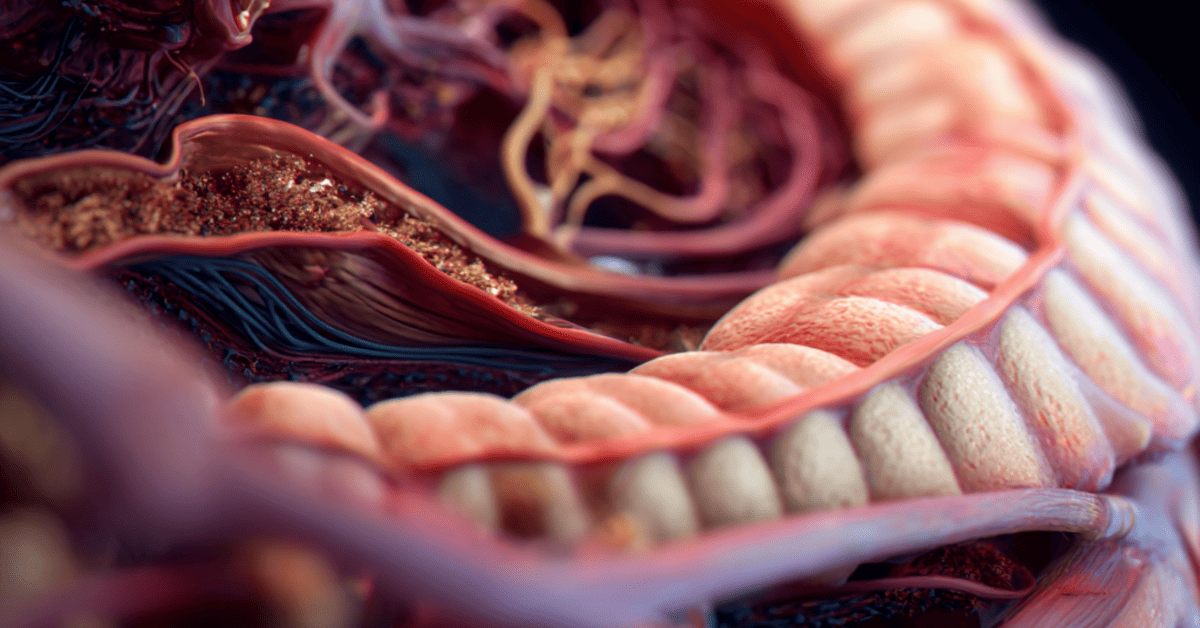
Mitochondrial testing offers valuable insights into cellular energy production that standard digestive tests often miss. These assessments examine how efficiently your cells generate energy and identify specific weaknesses in organelle function.
Several testing approaches can reveal mitochondrial involvement in digestive issues. Organic acid testing analyses metabolic byproducts in urine, showing where energy production pathways break down. The mitochondrial antibody test results can indicate whether your immune system attacks this organelle’s components, potentially explaining autoimmune-related digestive problems.
More advanced organelle testing measures oxygen consumption rates in your cells, directly assessing energy production capacity. Some tests evaluate specific enzyme activities within the organelle’s energy pathways, pinpointing exact dysfunction points.
These tests like the mescreen™™ Mitochondrial Function Assessment become particularly valuable when conventional digestive testing returns normal results despite persistent symptoms. Many people experience chronic bloating, irregular bowel movements, or food sensitivities that resist standard treatments. Mitochondrial testing can uncover the underlying energy deficiency driving these stubborn digestive problems.
Key Takeaways: Mitochondrial testing reveals energy production issues that standard digestive tests cannot detect. Multiple testing methods assess different aspects of organelle function and immune responses. These tests prove especially useful for unexplained chronic digestive symptoms.
Mitochondrial disease “diarrhoea” represents one of the most challenging digestive manifestations of cellular energy dysfunction. When intestinal cells lack adequate energy, they struggle to absorb water and nutrients properly, resulting in loose, frequent stools.
The mechanisms behind digestive disturbances in mitochondria dysfunction include impaired enzyme production, reduced mucus secretion, and compromised intestinal motility. Your gut essentially lacks the energy needed to coordinate its complex functions effectively.
Beyond diarrhoea, individuals may experience:
- Chronic bloating and abdominal discomfort
- Delayed gastric emptying and sensation of fullness
- Unpredictable bowel movements alternating between constipation and diarrhoea
- Reduced nutrient absorption despite adequate dietary intake
- Increased sensitivity to certain foods and digestive triggers
The inflammatory response triggered by dysfunction further complicates digestive health, creating a cycle where inflammation damages mitochondria whilst dysfunctional mitochondria perpetuate inflammation¹.
Key Takeaways: Energy deficits in intestinal cells directly cause diarrhoea and absorption issues. Inflammation and organelle damage create a self-perpetuating cycle.
Common Digestive Issues Linked to Mitochondrial Dysfunction
Mitochondrial dysfunction manifests through various digestive symptoms that often puzzle both patients and practitioners. Understanding these connections helps you recognise when cellular energy problems might underlie your gut troubles.
Chronic constipation frequently stems from inadequate mitochondrial function in intestinal smooth muscle cells. Without sufficient energy, these muscles cannot generate the coordinated contractions needed for regular bowel movements.
Inflammatory bowel conditions show strong mitochondrial connections. Research demonstrates that intestinal inflammation disrupts organelle function, creating a vicious cycle where poor energy production worsens inflammation, which further damages mitochondria¹.
Food sensitivities often indicate compromised gut barriers resulting from this organelle’s dysfunction. When intestinal cells lack energy to maintain tight junctions between cells, undigested proteins slip through, triggering immune responses you experience as food intolerances.
Bloating and gas production increase when digestive enzyme secretion falters due to insufficient cellular energy. Partially digested food then ferments in your intestines, producing uncomfortable gas and distension.
Key Takeaways: Constipation often reflects inadequate energy for intestinal muscle contractions. Food sensitivities may indicate energy-starved gut barriers allowing protein passage.
Mitochondrial Healing Foods for Gut Restoration

Supporting both mitochondrial and gut health through nutrition provides a powerful therapeutic approach. Certain foods deliver targeted nutrients that enhance cellular energy production whilst soothing and repairing digestive tissues.
Five essential mitochondria healing foods deserve regular places in your meals:
- Fatty fish provide omega-3 fatty acids and CoQ10, both crucial for mitochondrial membrane health and energy production
- Colourful berries deliver polyphenols that protect mitochondria from oxidative damage whilst reducing gut inflammation
- Leafy greens supply magnesium and B vitamins essential for energy production enzymes
- Bone broth offers amino acids that repair intestinal lining whilst providing easily digestible nutrients
- Fermented vegetables combine probiotics for gut health with antioxidants that protect mitochondria
These foods work synergistically, addressing both cellular energy deficits and digestive healing simultaneously. The key lies in consistent consumption rather than occasional inclusion.
Key Takeaways: Specific foods target both energy-producing organelle function and gut tissue repair.
Creating Your Mitochondria Diet Plan for Digestive Health
A well-designed mitochondria diet plan addresses both energy production and digestive restoration through strategic food choices and eating patterns. This approach differs from generic healthy eating by specifically targeting cellular power generation whilst supporting gut healing.
Start your day with protein and healthy fats to provide sustained energy without spiking blood sugar, which can stress mitochondria. Include foods rich in CoQ10, like organ meats or sardines, several times weekly to support the electron transport chain where most cellular energy generates.
Timing matters significantly for mitochondrial and gut health. Allowing twelve to fourteen hours between dinner and breakfast gives your digestive system rest whilst triggering cellular cleanup processes called autophagy, which removes damaged mitochondria and recycles their components.
Avoid processed foods and refined sugars that create inflammatory responses disrupting both organelle function and gut barrier integrity. Instead, emphasise whole foods that your digestive system can process efficiently without excessive energy expenditure.
Key Takeaways: Strategic meal timing supports both mitochondrial regeneration and digestive rest. Whole food choices reduce inflammatory burden on gut and cellular function.
FAQs
Gastrointestinal problems with mitochondrial disease can include chronic constipation, diarrhea, dysphagia (difficulty swallowing), gastroparesis, and malabsorption due to impaired organelle function in gut cells.
Improving gut mitochondria can be achieved through a nutrient-dense diet rich in antioxidants, healthy fats, and vitamins, along with regular physical activity and proper sleep to support organelle function and reduce oxidative stress.
References
- Haque, P. S., Kapur, N., Barrett, T. A., & Theiss, A. L. (2024). Mitochondrial function and gastrointestinal diseases. Nature Reviews Gastroenterology & Hepatology, 21(8), 537–555. https://pmc.ncbi.nlm.nih.gov/articles/PMC12036329/