
Sleep and Mitochondria: Boost Your Cellular Energy
When you think about getting a good night’s sleep, you probably consider factors like stress, screen time, or that late-night coffee. But there’s a microscopic powerhouse in your cells that plays a crucial role in how well you rest – your Mitochondria. These tiny organelles, often called the “powerhouses of the cell,” have a fascinating and bidirectional relationship with your slumber patterns that directly impacts your overall wellness.
Understanding this connection can transform how you approach both your Zs and energy management. Whether you’re struggling with fatigue, poor night time rest quality, or simply want to optimise your wellness routine, exploring the relationship between sleep and mitochondria offers valuable insights into taking control of your health.
The Link Between Sleep and Mitochondrial Function

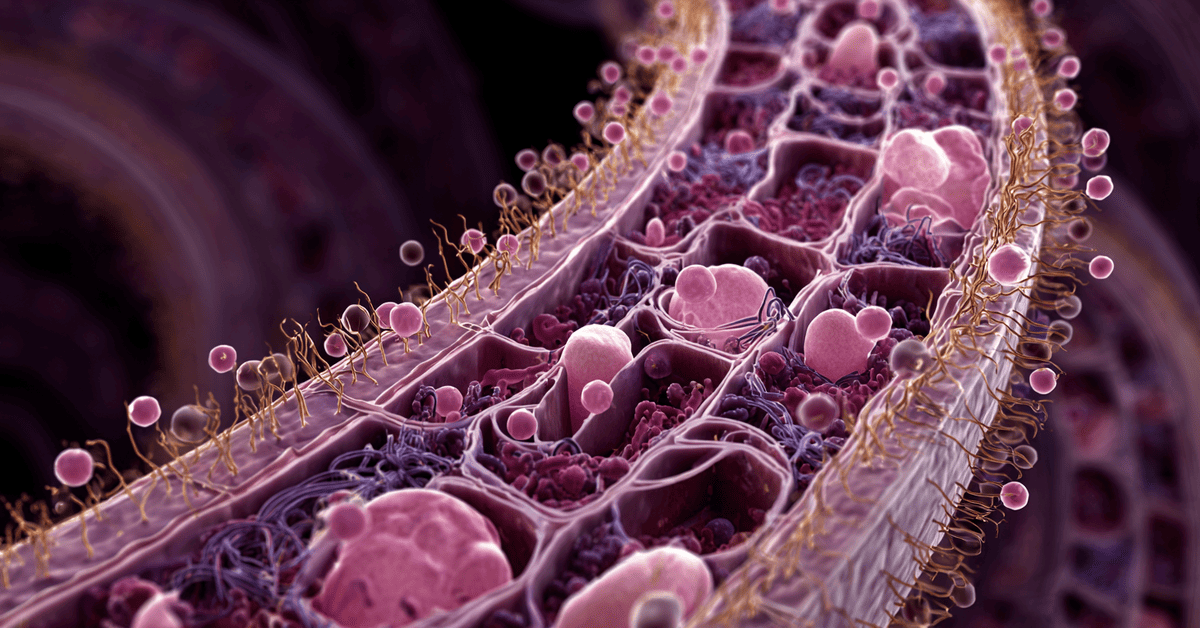
Mitochondria are remarkable structures found in nearly every cell of your body. They’re responsible for producing adenosine triphosphate (ATP), the primary energy currency your cells use to function. Think of them as miniature batteries that keep everything running smoothly, from your heartbeat to your thoughts.
The relationship between your Zs and mitochondrial function is deeply intertwined. During night time, your mitochondria undergo essential maintenance and repair processes. This nocturnal restoration is critical because they accumulate damage throughout the day from normal cellular activities and environmental stressors.
When you rest, your body shifts into a different metabolic state. Your mitochondria use this quieter period to repair damaged components, clear out dysfunctional proteins, and regenerate themselves through a process called mitochondrial biogenesis. This is when new, healthy ones are created to replace older, less efficient ones.
Research has shown that rest deprivation significantly impairs mitochondrial function. Studies observing shift workers and individuals with chronic sleep problems have found reduced organelle efficiency, decreased ATP production, and increased oxidative stress within their cells. This creates a cascade effect throughout the body, impacting everything from cognitive function to immune response.
The circadian rhythm, your body’s internal 24-hour clock, also regulates mitochondrial activity. Your mitochondria actually have their own circadian rhythms that synchronise with your sleep-wake cycle. When these rhythms are disrupted – say, through jet lag or irregular rest schedules – mitochondrial function becomes compromised.
How Mitochondria Affect Sleep Quality and Duration

Just as your nighttime Zs influence mitochondrial health, these organelles too significantly impact how well you rest. This reverse connection is equally important for understanding rest quality and duration.
Mitochondria produce melatonin, the hormone primarily associated with sleep regulation. Whilst the pineal gland in your brain is the main source of circulating melatonin, mitochondria throughout your body also synthesise this crucial compound. Mitochondrial melatonin acts as a powerful antioxidant, protecting cells from damage whilst also influencing local sleep-wake signals.
When mitochondrial function declines, melatonin production can be affected. This may contribute to difficulties falling asleep, staying asleep, or achieving the deep, restorative Zs stages your body needs for optimal health.
Energy metabolism controlled by mitochondria also determines your sleep pressure – the biological need for Zs that builds throughout the day. As mitochondria produce ATP and cellular byproducts accumulate, sleep pressure increases. Adenosine, a molecule that builds up during waking hours and promotes drowsiness, is directly linked to mitochondrial ATP metabolism.
Healthy mitochondria help maintain appropriate sleep pressure, ensuring you feel naturally tired at bedtime and alert upon waking. Dysfunctional ones can disrupt this delicate balance, leading to irregular rest patterns, daytime fatigue, or difficulty achieving restful slumber.
Temperature regulation, another mitochondrial function, plays a crucial role in rest quality. Your body temperature naturally drops during rest, and mitochondria help regulate this thermal rhythm. When their function is impaired, temperature regulation can be disrupted, potentially affecting rest onset and quality.
Mitochondria's Role in Sleep Cycle Regulation

Understanding how mitochondria regulate your sleep cycles reveals just how sophisticated this cellular machinery truly is. Your slumber isn’t a simple on-off switch but rather a complex cycle of different stages, each serving specific purposes for physical and mental restoration.
They help orchestrate the transition between sleep stages through their energy production patterns. During rapid eye movement (REM) sleep, when dreaming occurs and memory consolidation happens, brain mitochondria actually increase their activity. This energy boost supports the intense neural activity characteristic of REM sleep.
Conversely, during deep non-REM sleep, their activity in most body tissues decreases, allowing for cellular repair and recovery. This rhythmic variation in function throughout the night helps maintain the proper architecture of sleep cycles.
The suprachiasmatic nucleus (SCN), your brain’s master clock that controls circadian rhythms, relies heavily on mitochondrial function. Neurons in the SCN have particularly high energy demands, and their mitochondria must function optimally to maintain accurate timekeeping. When their function in the SCN is compromised, circadian rhythm disruptions often follow, leading to irregular sleep-wake patterns.
Mitochondrial dynamics – the processes of fusion and fission where mitochondria join together or split apart – also follow circadian patterns that influence sleep regulation. These structural changes affect how efficiently mitochondria produce energy and respond to cellular needs throughout the day-night cycle.
The reactive oxygen species (ROS) produced by mitochondria during normal metabolism also play a signalling role in sleep regulation. In appropriate amounts, these molecules help communicate cellular energy status and contribute to the timing of sleep-wake transitions. However, excessive ROS production from dysfunctional mitochondria can disrupt these signals and impair rest quality.
The Impact of Poor Sleep on Mitochondrial Health

The consequences of inadequate sleep on your mitochondrial health create a concerning downward spiral that affects overall wellness. When you don’t get enough quality rest, your mitochondria suffer in multiple ways.
Sleep deprivation triggers increased oxidative stress within cells. Your mitochondria produce more reactive oxygen species than they can neutralise, leading to cellular damage. This oxidative stress particularly harms mitochondrial DNA, which is more vulnerable to damage than nuclear DNA and has limited repair mechanisms.
Chronic sleep loss reduces mitochondrial biogenesis – the creation of new mitochondria. Without sufficient rest, your body struggles to replace damaged or dysfunctional mitochondria with healthy new ones. Over time, this leads to a decline in overall mitochondrial number and quality within your cells.
The efficiency of the electron transport chain, where mitochondria generate most of their ATP, decreases with poor rest. Studies have shown that even a single night of rest deprivation can impair mitochondrial respiration, reducing energy production capacity. Imagine trying to power your entire day on diminished cellular batteries – that’s essentially what happens with sleep-deprived mitochondria.
Poor sleep also disrupts “Mitophagy”, the cellular process that removes damaged mitochondria. Mitophagy is crucial for maintaining a healthy mitochondrial population, and it occurs predominantly during sleep. When rest is cut short or fragmented, dysfunctional mitochondria accumulate rather than being cleared away, contributing to cellular aging and dysfunction.
The metabolic consequences extend throughout your body. Sleep-deprived individuals often experience insulin resistance, partly due to mitochondrial dysfunction in muscle and liver cells. This can increase the risk of metabolic disorders and weight gain, creating additional stress on already compromised mitochondria.
Inflammation, your immune system’s response to threats, increases with poor rest and further damages mitochondria. Inflammatory molecules can directly impair mitochondrial function whilst also increasing oxidative stress, creating a vicious cycle that’s difficult to break without addressing rest quality.
Optimising Mitochondrial Health for Better Sleep
The good news is that you can take practical steps to support both your mitochondrial health and rest quality simultaneously. These strategies work synergistically to improve your overall wellness.
Prioritise Consistent Sleep Schedules
Going to bed and waking up at the same time daily helps synchronise your circadian rhythms with mitochondrial function. This consistency allows your mitochondria to anticipate and prepare for the metabolic shifts that occur during sleep, optimising their repair and regeneration processes.
Exercise Strategically
Regular physical activity is one of the most powerful stimulators of mitochondrial biogenesis. Exercise signals your body to create new, healthy mitochondria whilst also improving rest quality. Aim for at least 150 minutes of moderate activity weekly, but avoid vigorous exercise close to bedtime, as it can interfere with Zs onset.
Nourish Your Mitochondria
Certain nutrients directly support mitochondrial function and sleep. Magnesium plays crucial roles in both mitochondrial ATP production and sleep regulation. Coenzyme Q10, B vitamins, and omega-3 fatty acids also support mitochondrial health. Consider incorporating foods rich in these nutrients, such as leafy greens, fatty fish, nuts, and seeds.
Manage Light Exposure
Your mitochondria respond to light signals that influence circadian rhythms. Get bright light exposure, preferably natural sunlight, during the morning and daytime hours. This strengthens circadian rhythms and supports mitochondrial clock gene expression. Conversely, dim lights in the evening and minimise blue light from screens before bed.
Practise Intermittent Fasting
Time-restricted eating, where you consume meals within a consistent daily window, can enhance mitochondrial function and sleep quality. Fasting periods trigger cellular repair processes, including mitochondrial maintenance. However, avoid eating large meals close to bedtime, as this can disrupt sleep.
Reduce Oxidative Stress
Minimise exposure to environmental toxins, excessive alcohol, and processed foods that increase oxidative stress on mitochondria. Incorporate antioxidant-rich foods like berries, dark chocolate, and colourful vegetables to help neutralise free radicals and protect mitochondrial health.
Optimise Your Sleep Environment
Create conditions that support both rest and mitochondrial function. Keep your bedroom cool (around 16-19°C), as this temperature range supports the natural temperature drop that occurs during sleep and is influenced by mitochondrial activity. Ensure complete darkness or use blackout curtains, as even small amounts of light can disrupt mitochondrial circadian rhythms.
Consider Cold Exposure
Brief cold exposure, such as cold showers or outdoor activities in cooler weather, can stimulate mitochondrial biogenesis through a process called cold thermogenesis. This activates brown adipose tissue, which is particularly rich in mitochondria. Some people find that cold exposure also improves rest quality, though responses vary individually.
Manage Stress
Chronic stress impairs both mitochondrial function and rest quality. Incorporate stress-reduction techniques like meditation, deep breathing, or yoga into your daily routine. These practices can help regulate cortisol levels, supporting healthier mitochondrial function and more restful Zs.
Stay Hydrated
Proper hydration supports all cellular functions, including mitochondrial metabolism. Dehydration can impair mitochondrial efficiency and rest quality. Aim to drink adequate water throughout the day, but reduce intake close to bedtime to avoid nighttime disruptions.
The Path Forward

The intricate relationship between rest and mitochondria underscores a fundamental truth about wellness – everything in your body is connected. You cannot optimise one without considering the other. Poor rest damages your mitochondria, whilst dysfunctional mitochondria impair your Zs, creating cycles that either support or undermine your health.
By understanding this connection, you’re empowered to make informed choices that benefit both your mitochondrial health and rest quality. Small, consistent changes in your daily habits can have profound effects over time, improving your energy levels, cognitive function, and overall wellbeing.
Remember that improving Zs and mitochondrial health is a gradual process, not an overnight transformation. Be patient with yourself as you implement these strategies, and pay attention to how your body responds. Everyone’s needs are slightly different, so what works brilliantly for one person might need adjustment for another.
The journey towards better rest and healthier mitochondria is ultimately about respecting your body’s fundamental needs and working with, rather than against, your cellular biology. When you support your mitochondria through quality sleep and healthy lifestyle choices, you’re investing in sustained energy, vitality, and wellness that will serve you well into the future.
Your cells are listening, your mitochondria are adapting, and your night time rest is ready to improve. The power to transform your wellness through this cellular connection is genuinely in your hands – or rather, in your mitochondria.