
Unleashing the Power of Mitochondria and Athletic Performance
When you push through that final sprint or power through the last set at the gym, there’s an incredible microscopic engine working tirelessly inside your cells. These tiny powerhouses, called mitochondria, are the unsung heroes behind every athletic achievement, every personal record, and every moment of physical excellence.
Understanding the relationship between mitochondria and athletic performance isn’t just for elite athletes or sports scientists. Whether you’re a weekend health warrior, a fitness enthusiast, or someone simply looking to enhance their physical capabilities, learning how these cellular structures influence your body’s performance can transform your approach to training and recovery.
Mitochondria produce approximately 90% of the energy your body needs to function. When you exercise, your muscles demand significantly more energy, and your mitochondria rise to the challenge. The health, quantity, and efficiency of these cellular powerhouses directly determine how well you perform, how quickly you fatigue, and how rapidly you recover.
This comprehensive guide explores the fascinating world of mitochondria and their crucial role in athletic performance. You’ll discover evidence-based strategies to optimize your mitochondrial health, enhance your endurance, maximize your training results, and accelerate your recovery – all through understanding and supporting these remarkable cellular structures.
Mitochondria: The Key to Unlocking Endurance
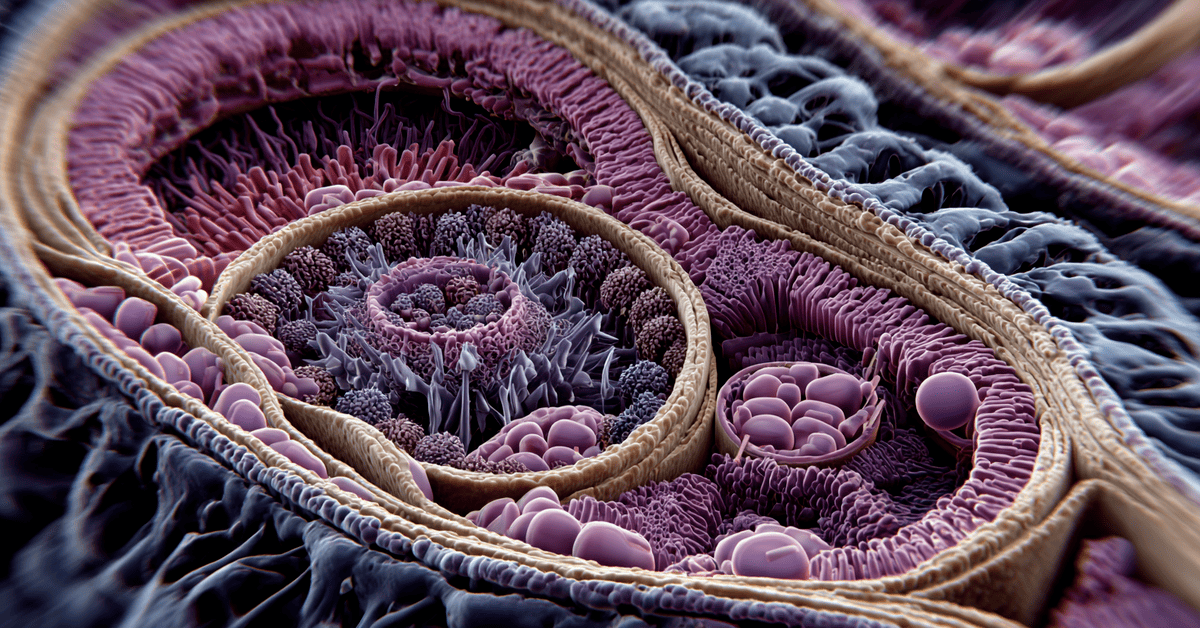
Endurance is perhaps the most mitochondria-dependent aspect of athletic performance. When you engage in prolonged physical activity, whether running, cycling, swimming, or any sustained exercise, your muscles rely almost entirely on this organelle’s energy production to keep going.
Your mitochondria generate energy through a process called “aerobic respiration”, which uses oxygen to convert nutrients into adenosine triphosphate (ATP), the universal energy currency of your cells. The more efficient and abundant your mitochondria, the longer you can maintain physical activity without experiencing debilitating fatigue.
Elite endurance athletes possess significantly higher mitochondrial density in their muscle cells compared to sedentary individuals. Studies have shown that marathon runners and cyclists can have up to 40% more mitochondria in their leg muscles. This increased content directly translates to improved oxygen utilization and sustained energy production during long-duration activities.
The relationship between mitochondrial function and endurance extends beyond simple quantity. The quality of your mitochondria matters equally. Well-functioning mitochondria produce energy more efficiently, generate fewer harmful byproducts, and resist damage better during intense exercise. This efficiency means you can exercise longer at higher intensities before reaching exhaustion.
Interestingly, your body continuously adapts its mitochondrial content based on the demands you place upon it. Regular endurance training signals your cells to produce more mitochondria through a process called “mitochondrial biogenesis”. This adaptation typically begins within just a few training sessions, though significant increases in organelle density may take several weeks of consistent training.
The type of endurance training you perform influences mitochondrial adaptation differently. Moderate-intensity continuous training promotes organelle efficiency and density in slow-twitch muscle fibres, which are primarily responsible for endurance activities. Meanwhile, higher-intensity interval training stimulates organelle development across both slow-twitch and fast-twitch muscle fibres, providing broader performance benefits.
Maximizing Athletic Performance Through Mitochondrial Health

Optimizing mitochondrial health represents one of the most powerful strategies for enhancing overall athletic performance. Healthy mitochondria don’t just produce more energy, they produce it more efficiently, with fewer harmful byproducts, whilst maintaining their function under stress.
Nutrition plays a fundamental role in supporting mitochondrial health. Your mitochondria require specific nutrients to function optimally, including B vitamins, iron, magnesium, and coenzyme Q10. B vitamins act as essential cofactors in the energy production process, whilst iron is crucial for oxygen transport and utilization within mitochondria. Magnesium supports hundreds of enzymatic reactions involved in ATP production, and coenzyme Q10 acts as a critical electron carrier in the mitochondrial energy production chain.
Antioxidant-rich foods provide another layer of organelle support. During energy production, mitochondria naturally generate reactive oxygen species (free radicals) as byproducts. Whilst small amounts of these molecules actually stimulate beneficial adaptations, excessive free radical production can damage organelle structures and impair their function. Consuming foods rich in antioxidants, such as berries, leafy greens, nuts, and colourful vegetables; helps protect your mitochondria from oxidative damage.
The timing and composition of your meals significantly impact mitochondrial function. Consuming adequate carbohydrates before and after training ensures your mitochondria have sufficient fuel for energy production and recovery. However, strategic periods of training in a fasted or low-carbohydrate state can actually stimulate mitochondrial biogenesis, as your cells adapt to produce energy more efficiently under challenging conditions.
Sleep quality profoundly affects mitochondrial health. During deep sleep, your body initiates repair and regeneration processes that include maintenance and the removal of damaged mitochondria. Athletes who consistently achieve 7-9 hours of quality sleep demonstrate better mitochondrial function and superior athletic performance compared to those with chronic sleep deprivation.
Stress management deserves attention in any mitochondrial optimization strategy. Chronic psychological stress elevates cortisol levels, which can impair this organelle’s function and reduce mitochondrial biogenesis. Incorporating stress-reduction techniques such as meditation, yoga, or breathing exercises supports both mental wellbeing and cellular energy production.
How Mitochondria Fuel High-Intensity Exercise
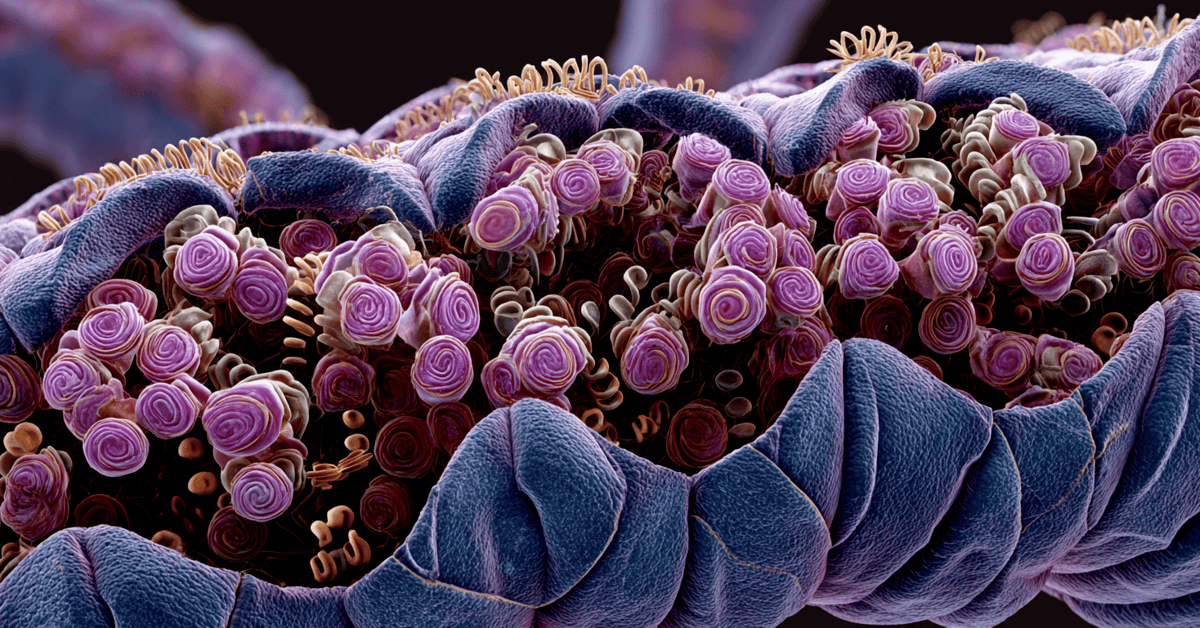
High-intensity exercise presents unique demands on your mitochondrial systems. When you perform explosive movements, sprint at maximum speed, or lift heavy weights, your muscles require enormous amounts of energy in very short timeframes, more than mitochondria alone can immediately provide.
During the first 10-15 seconds of maximum-intensity exercise, your muscles primarily rely on stored ATP and a molecule called phosphocreatine for immediate energy. These systems provide rapid energy without requiring oxygen, allowing explosive power output. However, these energy stores deplete quickly, and your body must transition to alternative energy production methods.
As high-intensity exercise continues beyond 15-20 seconds, your mitochondria become increasingly important. They begin ramping up aerobic energy production to support continued effort. The more efficient your mitochondrial systems, the more effectively your body can sustain high power outputs for extended periods. This explains why athletes with superior mitochondrial function can maintain higher intensities for longer durations.
High-intensity interval training (HIIT) creates particularly powerful adaptations. The repeated cycles of intense effort followed by recovery periods trigger strong signals for mitochondrial biogenesis. Research demonstrates that HIIT can produce similar or even superior mitochondrial adaptations compared to traditional endurance training, despite requiring significantly less total exercise time.
The mitochondrial adaptations from high-intensity training differ from those produced by steady-state endurance work. HIIT promotes mitochondria development in both slow-twitch and fast-twitch muscle fibres, creating a more versatile energy production system. This broader adaptation improves your capacity for both sustained endurance efforts and repeated high-intensity bursts, essential for many sports and activities.
Your mitochondria also influence lactate metabolism during intense exercise. Contrary to popular belief, lactate isn’t simply a waste product causing muscle burn. Well-functioning mitochondria can actually use lactate as a fuel source, converting it back into energy. Athletes with better mitochondrial health can clear lactate more effectively, delaying the onset of fatigue during high-intensity efforts.
Optimizing Recovery with Healthy Mitochondria

Recovery represents the other side of the performance equation, and mitochondria play an equally vital role in this process. After demanding training sessions, your body needs to repair damaged tissues, replenish energy stores, and prepare for subsequent efforts. All of these processes depend heavily on mitochondrial energy production.
Immediately following exercise, your mitochondria work overtime to restore your body to its pre-exercise state. They fuel the replenishment of ATP and phosphocreatine stores, support protein synthesis for muscle repair, and power the removal of metabolic byproducts accumulated during training. The more efficient your mitochondria, the faster these recovery processes occur.
Mitochondrial health significantly influences muscle protein synthesis – the process by which your muscles repair and grow stronger after training. This anabolic process requires substantial energy, which your mitochondria must provide. Research shows that individuals with healthier mitochondrial function demonstrate enhanced muscle protein synthesis rates following resistance training.
The inflammatory response following intense exercise also connects to this organelle’s function. Whilst some inflammation is necessary for adaptation, excessive or prolonged inflammation can impair recovery and subsequent performance. Healthy mitochondria help regulate inflammatory processes, promoting optimal recovery whilst preventing excessive inflammation that could hinder adaptation.
Active recovery strategies can optimize mitochondrial contribution to recuperation. Light exercise following intense training sessions maintains elevated blood flow and mitochondrial activity, potentially accelerating the removal of metabolic byproducts and supporting repair processes. However, the intensity must remain truly light to avoid creating additional recovery demands.
Nutrition during the recovery window profoundly impacts mitochondrial support of adaptation. Consuming adequate protein provides the amino acids necessary for muscle repair, whilst carbohydrates replenish glycogen stores that fuel mitochondrial energy production. Including antioxidant-rich foods helps protect mitochondria from exercise-induced oxidative stress, supporting their function during the recovery period.
Mitochondrial Adaptation: Training for Peak Performance

Strategic training approaches can maximize mitochondrial adaptations, leading to superior athletic performance. Understanding how different training stimuli influence mitochondrial development allows you to design more effective programmes tailored to your specific performance goals.
Periodization – the strategic variation of training volume, intensity, and type – optimizes mitochondrial adaptations over time. Alternating between phases emphasizing different training qualities prevents stagnation and promotes continuous mitochondrial development. For example, following a high-volume endurance phase with a period focused on high-intensity intervals can trigger complementary mitochondrial adaptations.
Training in a glycogen-depleted state occasionally can enhance mitochondrial biogenesis. When muscle glycogen levels are low, cells increase their reliance on fat oxidation for energy. This metabolic stress signals enhanced mitochondrial development, as your body adapts to produce energy more efficiently under challenging conditions. However, this strategy should be used judiciously, as excessive training with depleted glycogen can impair performance and recovery.
Progressive overload remains fundamental for continued mitochondrial adaptation. Your body only develops new mitochondria or improves existing ones when faced with challenges that exceed current capabilities. Gradually increasing training volume, intensity, or complexity ensures continued adaptation rather than stagnation.
Heat exposure provides an unconventional but effective stimulus for mitochondrial adaptation. Sauna sessions or training in warm conditions activates heat shock proteins that support mitochondrial health and promote biogenesis. Athletes incorporating regular heat exposure often demonstrate improved endurance performance and enhanced recovery capacity.
Cold exposure offers complementary benefits. Brief exposure to cold temperatures stimulates the development of brown adipose tissue and increases mitochondrial density in various tissues. This adaptation can improve metabolic flexibility and overall energy production capacity, potentially benefiting athletic performance.
Age-related mitochondrial decline represents a challenge for masters athletes, but targeted training can substantially mitigate these effects. Research demonstrates that older athletes who maintain consistent training preserve mitochondrial function remarkably well compared to sedentary peers. High-intensity training appears particularly effective at maintaining mitochondrial health across the lifespan.
Understanding mitochondrial function empowers you to make informed decisions about your training, nutrition, and recovery strategies. These cellular powerhouses ultimately determine your body’s capacity for sustained effort, explosive power, and rapid recovery. By optimizing mitochondrial health through strategic lifestyle choices, you unlock your full athletic potential regardless of your current fitness level or competitive aspirations.