
Home » Mitochondrial Health » Mitochondrial Dysfunction
Could Mitochondrial Dysfunction Be Making You Sick?
Your body’s ability to generate energy, fight disease, and maintain vitality depends on microscopic structures called the “Mitochondria”. When these cellular powerhouses malfunction, the consequences can ripple through every aspect of your health. Understanding mitochondrial dysfunction is becoming increasingly important in the wellness world, as research reveals its connection to everything from chronic fatigue to serious diseases. This comprehensive guide explores what happens when mitochondrial health is impacted and what you can do about it.
Understanding Mitochondrial Dysfunction

Mitochondrial dysfunction occurs when these essential organelles cannot produce sufficient energy for your cells to function optimally. Think of it as a power plant running below capacity – the lights still work, but they’re dimmer, and some systems start to fail. This reduced energy production affects cells throughout your body, particularly those with high energy demands.
The condition exists on a spectrum. Some people inherit severe organelle defects that manifest as serious diseases from birth or childhood. Others develop dysfunction gradually through environmental factors, aging, or lifestyle choices. This acquired form is far more common and often contributes to conditions that wellness enthusiasts recognise, such as chronic fatigue, brain fog, and reduced exercise tolerance.
What makes this dysfunction particularly challenging is its widespread impact. Because every cell in your body (except red blood cells) contains mitochondria, dysfunction can affect multiple organ systems simultaneously. This often leads to complex, seemingly unrelated symptoms that can be difficult to diagnose and treat.
Understanding this condition requires recognising that mitochondria aren’t simply energy producers, they’re central regulators of cellular health. When they malfunction, it affects not just energy levels but also inflammation, cell survival, and your body’s ability to respond to stress.
The Role of Mitochondria in Cellular Health
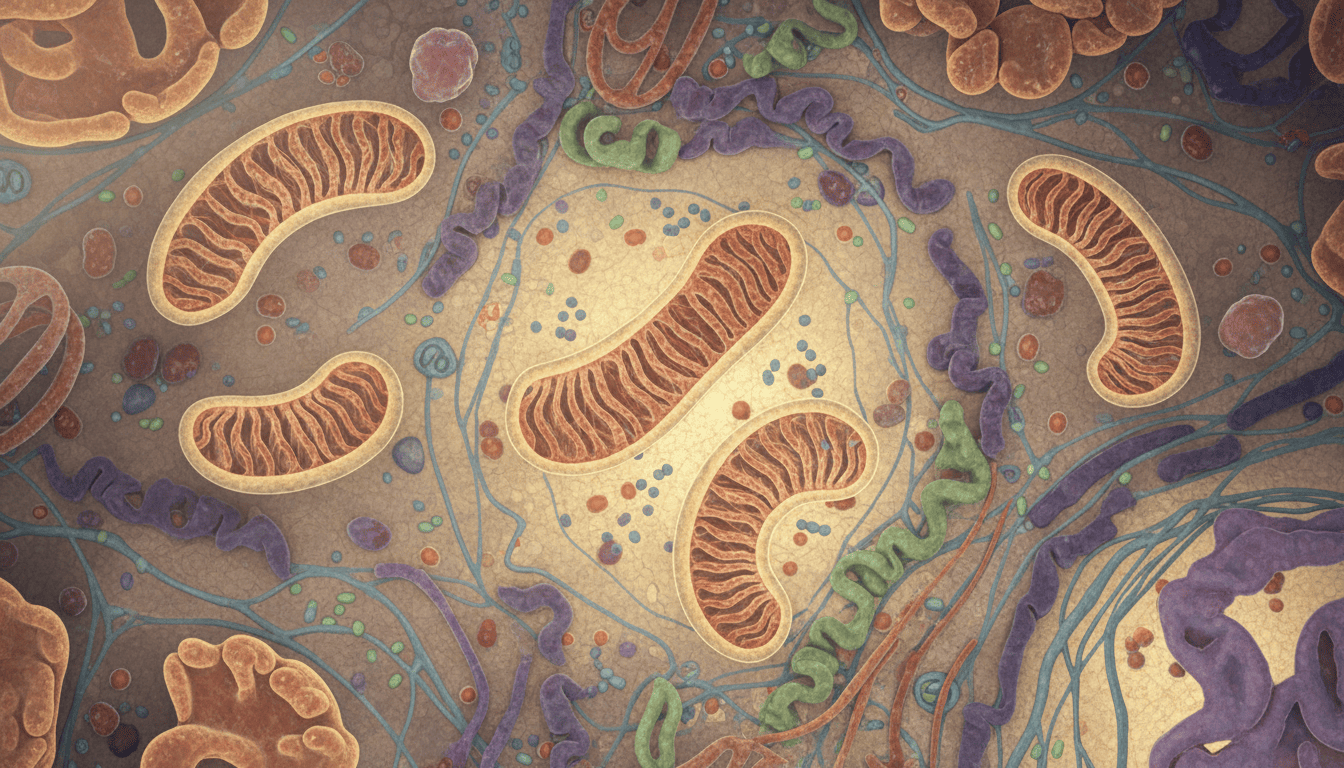
To appreciate what goes wrong in mitochondrial dysfunction, it’s essential to understand what mitochondria do when they’re working properly. These organelles serve as the primary energy generators in your cells, converting nutrients from food into adenosine triphosphate (ATP), the molecule that powers virtually every cellular process.
Beyond energy production, mitochondria regulate calcium signalling within cells, which is crucial for muscle contraction, nerve transmission, and countless other functions. They also control programmed cell death (Apoptosis), removing damaged cells before they can cause problems. This protective mechanism helps prevent cancer and other diseases.
Mitochondria play a vital role in managing oxidative stress. Whilst they produce reactive oxygen species (ROS) as a byproduct of energy production, healthy mitochondria also have systems to neutralise these potentially harmful molecules. When mitochondria dysfunction occurs, this balance is disrupted, leading to increased oxidative damage throughout the cell.
These organelles also participate in heat generation, immune function, and the synthesis of essential molecules. They’re essentially multi-functional hubs that integrate various aspects of cellular metabolism and health. When this hub malfunctions, the effects cascade through multiple systems.
Causes of Mitochondrial Dysfunction

Mitochondrial dysfunction can arise from numerous sources, both genetic and environmental. Understanding these causes helps identify risk factors and potential prevention strategies.
Genetic mutations represent one primary cause. These can occur in either mitochondrial DNA (which mitochondria possess independently) or nuclear DNA (in the cell’s nucleus). Inherited mutations may be passed from mothers to children, as mitochondria come exclusively from the egg cell. However, spontaneous mutations can also occur during a person’s lifetime.
Environmental toxins significantly impact organelle health. Heavy metals like mercury and lead, pesticides, air pollution, and certain medications can damage mitochondrial structures and impair their function. Even common pain relievers, when used excessively, have been shown to affect their health.
Chronic infections and inflammatory conditions can trigger dysfunction too. When your immune system fights infection or inflammation over extended periods, the resulting oxidative stress can damage mitochondria. This creates a vicious cycle, as damaged mitochondria produce more inflammatory signals.
Nutrient deficiencies also compromise organelle function. These organelles require specific vitamins and minerals to operate efficiently, including B vitamins, magnesium, coenzyme Q10, and antioxidants. Modern diets, often lacking in nutrient density, may not provide adequate levels of these essential compounds.
Chronic stress affects mitochondria through multiple mechanisms. Stress hormones, particularly cortisol, can impair their function.
Symptoms of Mitochondrial Dysfunction

Fatigue is typically the most prominent symptom. This isn’t ordinary tiredness that improves with rest, it’s a profound exhaustion that persists despite adequate sleep. People often describe feeling depleted at a cellular level, struggling to complete basic daily activities. This fatigue frequently worsens after physical or mental exertion.
Exercise intolerance manifests as disproportionate tiredness during or after physical activity. Activities that were once manageable become exhausting, and recovery takes much longer than expected. Some people experience post-exertional malaise, where symptoms significantly worsen 24-48 hours after exertion.
Cognitive symptoms are common and distressing. Brain fog, difficulty concentrating, memory problems, and slowed thinking can significantly impact quality of life. Some people struggle to find words or follow conversations. These symptoms often fluctuate, being worse during periods of stress or exertion.
Muscle symptoms range from weakness and pain to cramping and tremors. Some people experience exercise-induced muscle breakdown or abnormal lactic acid buildup during activity. Muscle twitches or fasciculations may occur spontaneously.
Other symptoms might include headaches, dizziness, temperature regulation problems, digestive issues, and visual disturbances. Some people experience chronic pain without clear cause. The combination and severity of symptoms vary considerably between individuals.
Mitochondrial Dysfunction and Chronic Diseases

Neurodegenerative diseases, including Parkinson’s disease, Alzheimer’s disease, and Multiple Sclerosis, show clear evidence of mitochondria dysfunction. In these conditions, energy failure in brain cells contributes to neuronal death and disease progression. Some researchers believe that organelle dysfunction may be a primary driver rather than simply a consequence of these diseases.
Metabolic disorders like Type 2 Diabetes and Obesity involve this dysfunction too. When mitochondria in muscle and fat cells cannot efficiently process nutrients, insulin resistance develops. This creates a cycle where poor metabolic health further damages mitochondria, exacerbating the problem.
Cardiovascular disease has strong links to mitochondrial dysfunction. Heart failure, in particular, involves significant impairment of cardiac mitochondria. The inability to generate sufficient energy compromises the heart’s pumping ability and contributes to disease progression.
Chronic fatigue syndrome (ME/CFS) and fibromyalgia both show evidence of dysfunction, though the exact mechanisms remain under investigation. Many patients with these conditions exhibit signs of impaired cellular energy production and increased oxidative stress.
Cancer cells often display abnormal mitochondrial function. Interestingly, this dysfunction may contribute to cancer development while also representing a potential therapeutic target. Understanding mitochondrial changes in cancer could lead to new treatment approaches.
Diagnosing Mitochondrial Dysfunction

Diagnosing dysfunction of this type can be complex, particularly for acquired forms that develop gradually. Multiple testing approaches may be necessary for accurate assessment.
Clinical evaluation typically begins with detailed medical history and symptom assessment. Doctors look for patterns suggesting mitochondrial involvement, such as multi-system symptoms, exercise intolerance, and family history of similar problems.
Blood tests may reveal elevated lactate levels, particularly after minimal exercise, suggesting inefficient cellular metabolism. Other blood markers might show low levels of nutrients essential for mitochondrial function or elevated oxidative stress markers.
Muscle biopsy has traditionally been considered the gold standard for diagnosing mitochondrial disease. This procedure examines muscle tissue under a microscope for abnormal mitochondria and measures enzyme activities in the respiratory chain. However, it’s invasive and results can be variable.
Genetic testing can identify mutations in mitochondrial or nuclear DNA associated with dysfunction. Advances in sequencing technology have made comprehensive genetic testing more accessible, though not all cases have identifiable genetic causes.
Functional testing, including exercise testing with lactate measurements or cardiopulmonary exercise testing, can assess how well mitochondria respond to energy demands. Some practitioners use organic acid testing or other metabolic assessments to evaluate the organelle’s function indirectly.
Imaging studies like MRI may reveal characteristic changes in certain mitochondrial diseases, particularly those affecting the brain. However, imaging is generally not sensitive enough to diagnose most cases of mitochondrial dysfunction.
Mitochondrial Dysfunction and Ageing

As we age, mitochondria naturally accumulate damage. This occurs through several mechanisms: ongoing exposure to reactive oxygen species, accumulated mutations in mitochondrial DNA, and reduced efficiency of quality control mechanisms that remove damaged mitochondria. The result is a gradual decline in cellular energy production.
This age-related mitochondrial decline contributes to many hallmarks of aging. Reduced energy production affects tissue repair and regeneration. Increased oxidative stress from dysfunctional mitochondria damages other cellular components. Impaired mitochondrial quality control leads to accumulation of damaged organelles, further compromising cell function.
However, the rate of mitochondrial decline varies considerably between individuals. Lifestyle factors significantly influence this trajectory. People who maintain healthy habits, regular exercise, nutritious diet, stress management, and adequate sleep – often show better mitochondrial function in later life.
Some researchers believe mitochondrial dysfunction is not merely a consequence of aging but a primary driver. This theory suggests that interventions supporting mitochondrial health could extend healthspan, the period of life spent in good health, even if they don’t extend lifespan itself.
Therapies and Treatments for Mitochondrial Dysfunction
While inherited mitochondrial diseases require medical supervision, many strategies can support mitochondrial health generally.
Nutritional supplementation forms a cornerstone of treatment. Coenzyme Q10, a crucial component of the electron transport chain, is frequently recommended. Other supplements that may help include L-carnitine, alpha-lipoic acid, B vitamins, magnesium, and specific antioxidants. However, supplementation should be personalised based on individual needs and under professional guidance.
Dietary modifications can significantly impact mitochondrial function. Some people benefit from ketogenic or low-carbohydrate diets, which shift metabolism towards fat burning and may reduce oxidative stress. Others find success with time-restricted eating or intermittent fasting, which can stimulate mitochondrial biogenesis and improve quality control.
Exercise prescription requires careful consideration. While physical activity is beneficial, people with severe mitochondrial dysfunction may need to start very gradually to avoid post-exertional malaise. Supervised exercise programmes that slowly build capacity whilst respecting energy limitations often work best.
Medical treatments for inherited mitochondrial diseases may include specific medications, though options remain limited. Research is exploring more targeted therapies, including gene therapy and mitochondrial replacement techniques for preventing disease transmission.
Emerging therapies being investigated include compounds that enhance mitochondrial biogenesis, improve mitochondrial quality control (mitophagy), or protect mitochondria from oxidative damage. Some existing medications used for other purposes are being evaluated for their mitochondrial benefits.
Complementary approaches like acupuncture, massage, and stress reduction techniques may help manage symptoms and support overall health, though they don’t directly treat mitochondrial dysfunction.
Preventing Mitochondrial Dysfunction Through Lifestyle Changes

- Prioritise whole food nutrition rich in colourful vegetables and fruits, which provide antioxidants that protect mitochondria from oxidative damage. Include healthy fats from sources like oily fish, nuts, and olive oil, which support mitochondrial membrane health.
- Minimise processed foods, refined sugars, and excessive alcohol, all of which can impair mitochondrial function.
- Engage in regular physical activity appropriate for your fitness level. Aim for a combination of aerobic exercise and resistance training. Even moderate activities like brisk walking, swimming, or cycling provide benefits.
- Establish excellent sleep hygiene. Aim for 7-9 hours of quality sleep nightly in a dark, cool room. Maintain consistent sleep and wake times to support your circadian rhythm, which regulates mitochondrial function.
- Develop stress management practices. Whether through meditation, yoga, nature walks, or creative activities, find ways to regularly reduce stress. Chronic stress is one of the most significant threats to mitochondrial health, so this aspect deserves serious attention.
- Minimise toxin exposure where possible. Choose organic produce when feasible, filter drinking water, use natural cleaning products, and be cautious about medication use.
- Consider time-restricted eating, where you consume all food within an 8-12 hour window daily. This eating pattern may enhance mitochondrial function and promote cellular cleanup processes that remove damaged mitochondria.
- Stay socially connected and maintain a sense of purpose. Research suggests that psychological wellbeing affects cellular health, including mitochondrial function. Strong social connections and meaningful activities contribute to overall wellness at the cellular level.
Understanding mitochondrial dysfunction empowers you to make informed decisions about your health. Whether you’re managing diagnosed mitochondrial issues or simply seeking to optimise your wellness, supporting these cellular powerhouses is one of the most fundamental steps you can take towards vibrant health and longevity.