
Home » Mitochondrial Health » Ageing
Mitochondria and Longevity | How Cellular Energy Shapes How You Age
Think of your body as a bustling city that never sleeps. Just as a city needs power stations to keep the lights on, your cells rely on tiny powerhouses called “Mitochondria” to fuel every heartbeat, thought, and movement. These remarkable structures do far more than simply generate energy, they hold the key to how gracefully we age and how long we live.
Understanding the connection between mitochondrial health and longevity isn’t just academic curiosity. It’s practical knowledge that can transform how you approach wellness, from the foods you eat to the way you move your body. Let’s explore how these cellular dynamos influence your healthspan and what you can do to keep them functioning brilliantly throughout your life.
What Are Mitochondria?
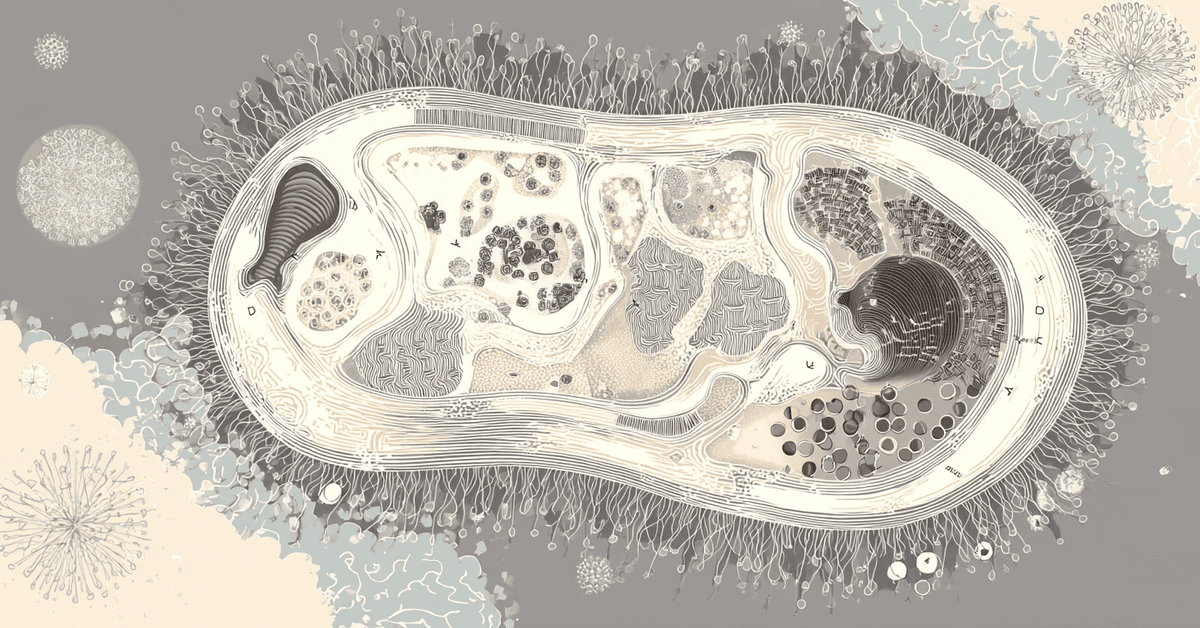
Mitochondria are often called the powerhouses of the cell, and for good reason. These bean-shaped structures, typically ranging from 1,000 to 2,500 in each cell depending on energy demands, convert the nutrients from your food into adenosine triphosphate (ATP) – the chemical currency your body uses for energy.
But their role extends far beyond energy production. Mitochondria regulate cellular metabolism, control calcium signalling, produce reactive oxygen species (ROS) that serve as important cell signals, and even determine when damaged cells should self-destruct through a process called “Apoptosis”.
Interestingly, mitochondria have their own DNA, separate from the genetic material in your cell’s nucleus. This mitochondrial DNA (mtDNA) is inherited exclusively from your mother and contains just 37 genes, these genes are crucial for the organelle’s function and, by extension, your overall health and longevity.
Mitochondrial Health and Aging

The relationship between mitochondrial health and aging is one of the most compelling areas of longevity research. As we age, our mitochondria gradually become less efficient, rather like a car engine accumulating wear and tear over thousands of miles.
This decline manifests in several ways. Mitochondria produce less ATP, meaning your cells have less energy to perform their functions. They generate more ROS, which can damage cellular structures if not properly neutralised by antioxidants. The number of mitochondria in cells decreases, and the quality of existing mitochondria deteriorates.
Research has shown that organelle dysfunction is not merely a consequence of aging – it’s actually a driving force behind it. When mitochondria falter, cells struggle to maintain their normal functions. This contributes to many age-related changes we consider inevitable: decreased muscle mass and strength, reduced cognitive function, slower wound healing, and increased inflammation.
The mitochondrial theory of aging suggests that accumulated damage to mitochondria and their DNA over time leads to a vicious cycle. Damaged mitochondria produce more ROS, which causes more damage, creating a downward spiral that accelerates cellular aging.
However, this isn’t an inevitable fate. The exciting news is that mitochondrial health is remarkably responsive to lifestyle interventions, meaning you have considerable control over how your mitochondria age.
Mitochondria and Disease Prevention

The connection between mitochondrial dysfunction and disease is profound and far-reaching. Because mitochondria are essential for cellular energy and signalling, their malfunction can contribute to a wide range of health conditions.
Neurodegenerative diseases like Alzheimer’s and Parkinson’s are strongly linked to organelle dysfunction. Brain cells have exceptionally high energy demands, requiring robust mitochondrial function. When mitochondria fail in neurons, it can lead to the cellular death and dysfunction characteristic of these conditions.
Cardiovascular disease also has clear mitochondrial connections. Heart muscle cells are packed with mitochondria because the heart never stops working. Mitochondrial dysfunction can impair heart function and contribute to heart failure, atherosclerosis, and other cardiovascular problems.
Cancer cells often exhibit altered “mitochondrial” metabolism. While this relationship is complex, their dysfunction can create cellular conditions that favour tumour development. Conversely, healthy mitochondrial function supports the body’s natural defences against cancer.
Even conditions we don’t traditionally think of as mitochondrial, such as chronic fatigue syndrome and fibromyalgia, may have mitochondrial components. The persistent exhaustion that characterises these conditions could reflect inadequate cellular energy production.
By maintaining healthy mitochondria, you’re not just supporting energy levels—you’re potentially reducing your risk for multiple chronic diseases that diminish both healthspan and lifespan.
Optimising Mitochondrial Efficiency
The good news is that mitochondria are remarkably adaptable. Through a process called mitochondrial biogenesis, your cells can create new mitochondria in response to increased energy demands. Here’s how to encourage this process and optimise mitochondrial efficiency.
Exercise: The Mitochondrial Multiplier
Physical activity is perhaps the most powerful tool for improving mitochondrial health. Both endurance and resistance training stimulate mitochondrial biogenesis, increasing both the number and efficiency of these cellular powerhouses.
Aerobic exercise like cycling, swimming, or brisk walking signals your cells that they need more energy-producing capacity. In response, they create more mitochondria and improve existing ones. High-intensity interval training (HIIT) appears particularly effective at stimulating organelle adaptations.
Resistance training, whilst traditionally associated with building muscle, also enhances mitochondrial function. As muscles work against resistance, they signal the need for more efficient energy production.
The key is consistency and progression. Regular exercise maintains the signal for mitochondrial biogenesis, whilst gradually increasing intensity ensures continued adaptation.
Nutritional Support for Mitochondria
Certain nutrients play crucial roles in mitochondrial function. Coenzyme Q10 (CoQ10) is essential for the electron transport chain, where ATP is produced. Whilst your body produces CoQ10, levels decline with age, and supplementation may be beneficial.
B vitamins, particularly B2, B3, and B12, are cofactors in mitochondrial energy production. Magnesium is required for hundreds of enzymatic reactions, including many involved in ATP synthesis. Alpha-lipoic acid acts as a powerful antioxidant that specifically protects mitochondria from oxidative damage.
PQQ (pyrroloquinoline quinone) has shown promise in stimulating mitochondrial biogenesis. L-carnitine helps transport fatty acids into mitochondria for energy production, which can be particularly important as we age.
A diet rich in colourful vegetables and fruits provides polyphenols and other compounds that support mitochondrial health. Cruciferous vegetables like broccoli contain sulforaphane, which activates antioxidant pathways that protect mitochondria.
Intermittent Fasting and Time-Restricted Eating
Periods without food trigger cellular stress responses that, paradoxically, make cells stronger. During fasting, cells activate autophagy, a cellular “housekeeping” process that removes damaged components, including dysfunctional mitochondria.
This process, called mitophagy when it targets mitochondria specifically, ensures that only healthy, efficient mitochondria remain. Time-restricted eating, where you consume all your daily calories within an 8-12 hour window, can provide similar benefits whilst being more sustainable for many people.
Temperature Stress
Controlled exposure to heat and cold can enhance mitochondrial function. Sauna use triggers heat shock proteins that help repair and maintain cellular structures, including mitochondria. Cold exposure, through cold showers or ice baths, stimulates mitochondria to produce more heat, improving their efficiency.
Both practices should be approached gradually and with appropriate caution, particularly if you have underlying health conditions.
Mitochondrial DNA's Impact on Lifespan

Your mitochondrial DNA (mtDNA) is unique in several ways. Unlike nuclear DNA, which you inherit from both parents, mtDNA comes solely from your mother. It’s also more vulnerable to damage because mitochondria generate ROS as a byproduct of energy production, and mtDNA lacks the protective packaging that shields nuclear DNA.
Mutations in mtDNA accumulate over time, contributing to age-related dysfunction. Some people inherit mtDNA variants that influence their susceptibility to certain diseases or their overall longevity potential.
Research has identified specific mtDNA haplogroups – genetic lineages defined by sets of mtDNA mutations – that are associated with exceptional longevity in certain populations. For instance, some haplogroups common in centenarians appear to confer enhanced mitochondrial efficiency or reduced oxidative damage.
However, inherited mtDNA is only part of the story. The expression and function of mitochondrial genes can be modified by lifestyle factors through epigenetic mechanisms. This means that even if you’ve inherited less-than-optimal mtDNA variants, your choices can significantly influence how those genes function.
The ratio of mutated to normal mtDNA in your cells matters greatly. A process called the mitochondrial bottleneck during egg cell formation means that mtDNA mutations aren’t evenly distributed across generations. Some individuals may carry higher loads of mutated mtDNA, whilst others are relatively protected.
Protecting mtDNA from further damage is crucial for longevity. Antioxidants, proper nutrition, regular exercise, and avoiding toxins all help preserve mtDNA integrity. Supporting your body’s natural DNA repair mechanisms through adequate sleep, stress management, and optimal nutrition can slow the accumulation of mtDNA mutations.
Lifestyle Choices for Mitochondrial Health

Creating a mitochondria-friendly lifestyle involves consistent, sustainable habits that support cellular health. Here’s how to structure your daily routine to optimise mitochondrial function.
Sleep
Quality sleep is non-negotiable for mitochondrial health. During deep sleep, your body activates repair processes that restore mitochondrial function. Sleep deprivation increases oxidative stress and impairs organelle efficiency.
Aim for 7-9 hours of sleep nightly, and maintain consistent sleep-wake times. Create a dark, cool sleeping environment, as both support natural circadian rhythms that regulate mitochondrial function. Limit blue light exposure in the evening, as it can disrupt melatonin production and melatonin directly protects mitochondria from oxidative damage.
Stress Management
Chronic psychological stress produces cortisol and other stress hormones that can impair mitochondrial function. The connection between stress and cellular health is bidirectional: stressed cells produce signals that influence your mental state, whilst psychological stress affects cellular function.
Regular meditation, yoga, spending time in nature, or any activity that activates your parasympathetic nervous system supports mitochondria health. Even brief daily practices can make a meaningful difference.
Toxin Avoidance
Environmental toxins can directly damage mitochondria. Heavy metals, pesticides, air pollution, and certain medications can impair mitochondrial function. Whilst you can’t eliminate all toxin exposure, you can minimise it.
Choose organic produce when possible, particularly for the “Dirty Dozen” fruits and vegetables highest in pesticide residues. Use natural cleaning products, filter your drinking water, and be mindful of indoor air quality. Avoid unnecessary medications, though never stop prescribed medications without consulting your healthcare provider.
Strategic Supplementation
Beyond the nutrients mentioned earlier, certain supplements show promise for organelle support. Resveratrol, found in red grapes and berries, activates sirtuins – proteins that regulate cellular health and mitochondrial function. NAD+ precursors like nicotinamide riboside (NR) or nicotinamide mononucleotide (NMN) support this organelle’s metabolism and may counter age-related NAD+ decline.
Omega-3 fatty acids from fish oil support mitochondrial membrane health. The antioxidant network – vitamins C and E, selenium, and glutathione – protects mitochondria from oxidative damage.
Always discuss supplementation with a qualified healthcare provider, as individual needs vary and some supplements can interact with medications.
Sunlight Exposure
Moderate sunlight exposure benefits mitochondrial health in several ways. It stimulates vitamin D production, which supports the organelle’s function. Natural light helps regulate circadian rhythms, which in turn regulate mitochondrial activity cycles. Some research suggests that specific wavelengths of light may directly influence mitochondrial function.
Aim for 15-30 minutes of sunlight daily, depending on your skin type and location, whilst protecting yourself from overexposure that could cause skin damage.
Movement Throughout the Day
Beyond structured exercise, regular movement throughout the day supports mitochondrial health. Prolonged sitting is associated with dysfunction, whilst breaking up sedentary time with brief activity maintains mitochondrial responsiveness.
Set reminders to stand and move every hour. Take walking meetings, use stairs instead of lifts, or do brief movement breaks during work. These small actions accumulate to support cellular health.
The Future Is Mitochondrial

As longevity research advances, mitochondria remain at the forefront. Scientists are exploring interventions that specifically target mitochondrial health, from mitochondria-targeted antioxidants to gene therapies that could correct mtDNA mutations.
The encouraging reality is that you don’t need to wait for future breakthroughs. The lifestyle interventions available today can significantly influence your mitochondria’s health and, by extension, your longevity and quality of life.
By understanding and supporting your cellular powerhouses, you’re investing in sustained energy, disease resistance, and graceful aging. Your mitochondria respond to the choices you make every day – from what you eat for breakfast to how you move your body to when you go to sleep.
The path to longevity isn’t found in a single magic bullet. It’s built through consistent, thoughtful choices that support the fundamental biological processes keeping you alive and thriving. Your mitochondria are working for you every moment. The question is: are you working with them?
Key Takeaways
Your Mitochondria Don’t Just Power Your Body. They Decide How It Ages.
Ageing isn’t something that happens to you uniformly. It starts at the cellular level, with mitochondria that produce less energy, generate more damage, and lose the ability to repair themselves. The decline is gradual, but the downstream effects aren’t subtle: less muscle, less clarity, more inflammation, more disease risk.
The good news is that mitochondrial health isn’t fixed. It responds to what you do every day.
Key Takeaways:
- Mitochondrial dysfunction isn’t just a consequence of ageing – research shows it actively accelerates it. Damaged mitochondria produce more oxidative stress, which causes more damage. It’s a cycle.
- Neurodegenerative disease, cardiovascular disease, cancer, and chronic fatigue all have established links to mitochondrial decline.
- Exercise is the single most powerful driver of mitochondrial biogenesis – the creation of new, efficient mitochondria. HIIT and resistance training are particularly effective.
- Fasting and time-restricted eating trigger mitophagy – your body’s process for clearing out damaged mitochondria and keeping the healthy ones.
- Sleep, stress management, toxin avoidance, and targeted nutrients like CoQ10, B vitamins, and NAD+ precursors all protect mitochondrial function over time.
- Your mitochondrial DNA is inherited from your mother, but lifestyle choices influence how those genes express. Genetics loads the gun. Habits pull the trigger – or don’t.