
Home » Mitochondrial Health » Gut Health
Gut Health and Mitochondria | How Your Microbiome Powers Cellular Energy
Your gut and your cellular powerhouses work together in ways you might never have imagined. Whilst most people understand that gut health affects digestion, few realise that the microscopic energy factories inside your cells – your mitochondrial health – is intimately connected to your digestive wellbeing. This fascinating relationship influences everything from your energy levels to your immune function, and understanding it could transform your approach to wellness.
The human body is an intricate network of systems that constantly communicate and support one another. Among these relationships, the connection between bowel health and mitochondria stands out as particularly crucial yet often overlooked. Your stomach houses trillions of bacteria, fungi, and other microorganisms collectively known as the “Microbiome”, whilst your mitochondria work tirelessly in nearly every cell to produce the energy you need to thrive.
When we talk about optimal wellness, we cannot separate these two vital components. They function as partners in your body’s quest for balance, influencing inflammation levels, nutrient absorption, immune responses, and even your mental clarity. Recent research has illuminated just how deeply intertwined these systems are, revealing that supporting one inevitably benefits the other.
The Connection Between Gut Health and Mitochondrial Function

The relationship between your gut and mitochondria operates as a two-way street, with each system profoundly influencing the other’s performance. Your bowel bacteria produce numerous compounds during digestion, including short-chain fatty acids like butyrate, which serve as fuel for the cells lining your intestinal wall. Remarkably, these same compounds also support mitochondrial function throughout your body.
When your stomach microbiome is balanced and diverse, it generates metabolites that help mitochondria produce energy more efficiently. These beneficial bacteria also synthesise certain B vitamins essential for mitochondrial energy production. Without adequate B vitamins – particularly B2, B3, and B12 – your mitochondria cannot convert nutrients into usable energy effectively, leaving you feeling fatigued and sluggish.
Conversely, when mitochondrial function declines, it affects the cells lining your gut, compromising the intestinal barrier. This barrier acts as a selective gatekeeper, allowing beneficial nutrients through whilst keeping harmful substances out. Damaged mitochondria in gut cells can lead to a condition often called “leaky gut,” where the intestinal barrier becomes compromised, allowing unwanted particles to enter your bloodstream.
The inflammation that results from a compromised gut barrier places additional stress on mitochondria throughout your body, creating a vicious cycle. This inflammatory cascade can affect multiple organ systems, potentially contributing to chronic fatigue, brain fog, and various digestive complaints. Understanding this connection highlights why addressing both bowel and mitochondrial health simultaneously yields more powerful results than focusing on either alone.
How Mitochondria Influence Digestive Health

Mitochondria play a surprisingly central role in maintaining your digestive system’s health and efficiency. The cells lining your digestive tract are among the most metabolically active in your body, constantly renewing themselves every few days. This rapid turnover requires enormous amounts of energy, which mitochondria must reliably supply.
Each intestinal cell contains hundreds of mitochondria working around the clock to provide the energy needed for nutrient absorption, mucus production, and maintaining the protective gut barrier. When mitochondrial function falters, these essential processes slow down, potentially leading to digestive discomfort, poor nutrient absorption, and increased susceptibility to stomach infections.
Mitochondria also regulate cellular stress responses within gut tissue. When your digestive system encounters challenges – whether from problem foods, stress, or environmental toxins – mitochondria coordinate the cellular response. Healthy mitochondria can mount an appropriate defence, limiting damage and promoting swift recovery. Compromised mitochondria, however, struggle to manage these stressors effectively, potentially allowing minor irritations to escalate into chronic problems.
Furthermore, mitochondrial health influences the production of digestive enzymes and stomach acid. These substances are essential for breaking down food into absorbable nutrients. Without adequate mitochondrial energy production, your body may struggle to manufacture sufficient quantities of these critical digestive components, leading to symptoms like bloating, indigestion, and undigested food in stools.
The immune cells residing in your gut tissue also depend heavily on mitochondrial energy. Approximately 70% of your immune system is located in or around your digestive tract, constantly surveying for potential threats. These immune cells require substantial energy to function properly, and when mitochondrial output drops, immune surveillance may weaken, potentially allowing harmful microorganisms to gain a foothold.
Mitochondrial Health: A Key Player in Gut Microbiome Balance
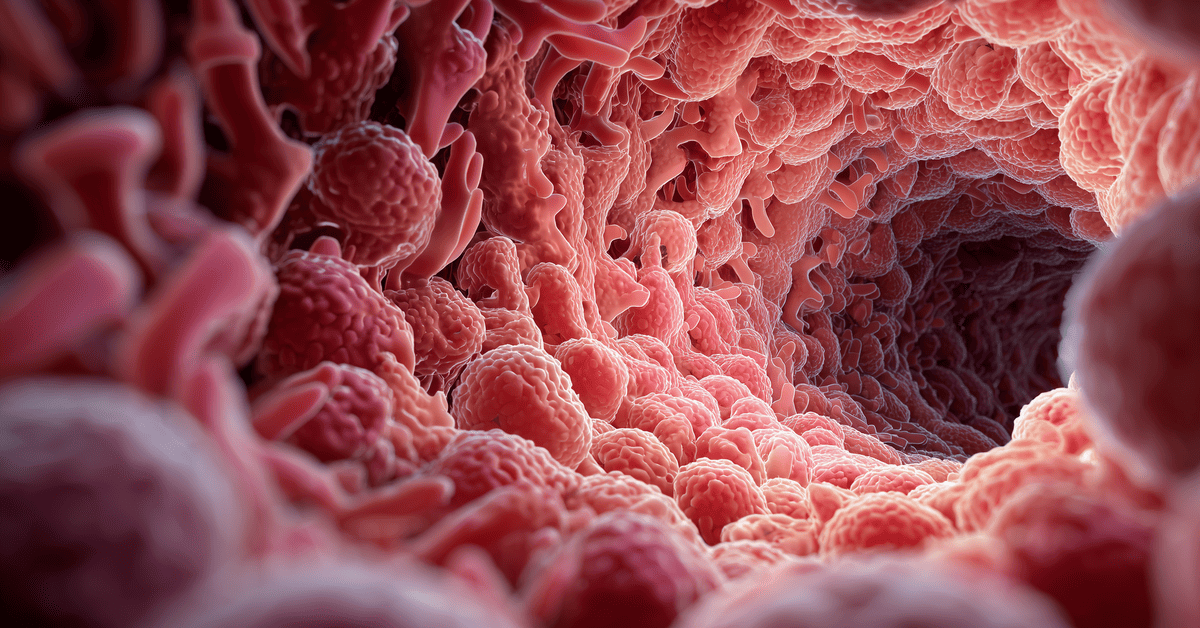
Different organs rely on mitochondrial health to varying degrees, but certain organs are particularly dependent on their optimal function.
Heart
The heart’s reliance on mitochondria is absolute. Your heart beats approximately 100,000 times daily, never resting throughout your life. This continuous work requires enormous energy, supplied almost entirely by cardiac mitochondria. These organelles regulate energy for every muscle contraction, ensuring blood circulates efficiently throughout your body.
Heart disease shows clear connections to their dysfunction. In heart failure, cardiac mitochondria cannot generate adequate energy for effective pumping. This energy deficit contributes to progressive heart muscle weakening. This dysfunction also plays roles in atherosclerosis, where oxidative stress from damaged mitochondria promotes plaque formation in arteries.
Brain
The brain’s dependence on mitochondria is equally critical. Neurons require constant energy to maintain electrical activity, transmit signals, and support cognitive function. Mitochondrial health directly influences memory formation, learning ability, mental clarity, and emotional wellbeing.
Protecting against neurodegenerative diseases represents another crucial role of brain mitochondria. In conditions like Alzheimer’s disease, Parkinson’s disease, and other forms of dementia, brain cells cannot generate adequate energy, leading to neuronal damage. Reduced energy production impairs cellular function directly. Increased oxidative stress damages cellular components and triggers inflammation. Impaired quality control allows damaged cells to persist rather than being removed. These processes combine to drive disease progression.
Liver
The liver depends on mitochondria for its diverse functions, particularly detoxification. Your liver processes countless substances daily, from medications to environmental toxins. These detoxification reactions require substantial energy, supplied by hepatic mitochondria. When liver mitochondria function poorly, detoxification capacity diminishes, potentially leading to toxin accumulation.
Kidneys
Kidneys similarly rely on mitochondrial energy for filtering blood and processing waste. These organs work continuously to maintain fluid balance, regulate blood pressure, and remove metabolic waste products. The mitochondria dysfunction in kidneys can contribute to chronic kidney disease and related complications.
The Impact of Gut Health on Mitochondrial Efficiency
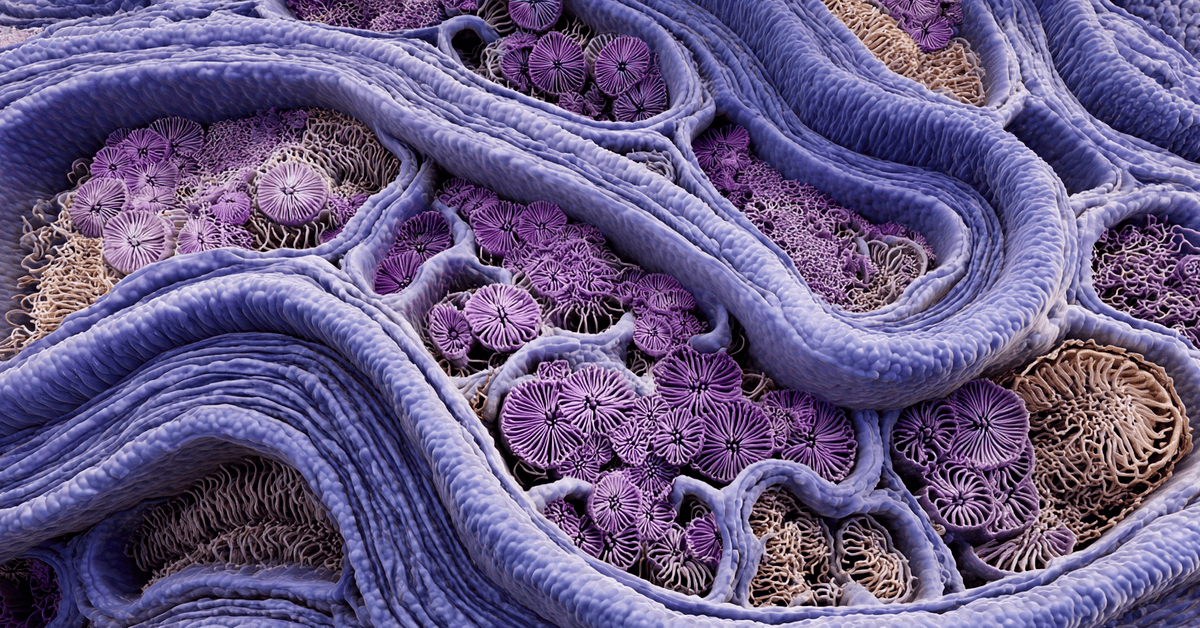
Just as mitochondria shape gut health, your bowel microbiome profoundly influences mitochondrial performance throughout your entire body. The compounds produced by these bacteria can either enhance or impair mitochondrial function, depending on the composition and health of your microbiome.
A diverse, balanced microbiome produces metabolites that support mitochondrial health in multiple ways. Butyrate, produced when beneficial bacteria ferment dietary fibre, serves as a preferred fuel source for colonocytes (colon cells) and also enhances mitochondrial biogenesis – the process of creating new, healthy mitochondria. This means that eating adequate fibre and supporting beneficial bacteria directly improves your cellular energy production capacity.
Your gut bacteria also influence systemic inflammation levels, which significantly affect mitochondrial function. A healthy microbiome helps maintain low inflammation, allowing mitochondria throughout your body to operate efficiently. Conversely, an imbalanced microbiome (dysbiosis) can trigger chronic low-grade inflammation that impairs mitochondrial performance, leading to fatigue and reduced resilience.
Certain bacteria synthesise compounds that either protect or damage mitochondria. For instance, some species produce trimethylamine N-oxide (TMAO), which at elevated levels has been associated with mitochondrial dysfunction. Other beneficial species produce compounds with antioxidant properties that protect mitochondrial membranes from oxidative damage.
The gut-brain axis – the bidirectional communication network between your digestive system and central nervous system – relies heavily on both gut health and mitochondrial function. Gut bacteria produce neurotransmitter precursors and other signalling molecules that affect brain mitochondria, influencing mood, cognitive function, and stress resilience. Poor bowel health can therefore impair brain energy metabolism, potentially contributing to brain fog and mental fatigue.
Supporting Both Gut and Mitochondrial Health for Overall Wellness

Fortunately, many strategies effectively support both gut and mitochondrial health simultaneously, creating a synergistic effect that amplifies your wellness efforts. The foundation begins with nutrition – feeding both your cells and your microbiome with the nutrients they need to thrive.
Prioritise fibre-rich whole foods including vegetables, fruits, legumes, and whole grains. These provide the prebiotic fibres that beneficial gut bacteria ferment into short-chain fatty acids, which in turn fuel both your gut cells and mitochondria. Aim for at least 30 different plant foods weekly to promote maximum microbiome diversity.
Include fermented foods like yoghurt, kefir, sauerkraut, kimchi, and kombucha regularly. These provide beneficial probiotic bacteria that can enhance your microbiome composition. Even small daily servings can make a meaningful difference over time, gradually shifting your bowel ecosystem towards a healthier balance.
Support mitochondrial health by ensuring adequate intake of B vitamins, magnesium, coenzyme Q10, and antioxidants. Colourful vegetables and fruits provide antioxidants that protect mitochondrial membranes from oxidative damage. Nuts, seeds, and leafy greens supply magnesium, essential for hundreds of mitochondrial reactions.
Incorporate regular movement into your daily routine. Exercise is one of the most powerful stimulators of mitochondrial biogenesis, promoting the creation of new, efficient mitochondria. Physical activity also benefits your microbiome, increasing bacterial diversity and promoting beneficial species. Even moderate walking counts – consistency matters more than intensity.
Manage stress through practices like meditation, deep breathing, or gentle yoga. Chronic stress impairs both gut barrier function and mitochondrial efficiency through elevated cortisol and inflammation. Regular stress management practices help maintain the delicate balance both systems require.
Prioritise quality sleep, as your body conducts essential maintenance on both gut tissue and mitochondria during deep sleep stages. Aim for seven to nine hours nightly, maintaining consistent sleep-wake times to support your circadian rhythms, which influence both digestive function and mitochondrial activity.
Consider time-restricted eating, which involves consuming meals within a specific window (typically 8-12 hours) each day. This approach gives your digestive system regular rest periods and may enhance mitochondrial efficiency through metabolic switching. Many people find this pattern naturally supports both energy levels and digestive comfort.
Limit exposure to substances that harm gut and mitochondrial health. Excessive alcohol, ultra-processed foods, artificial sweeteners, and unnecessary antibiotics can all disrupt your microbiome and impair mitochondrial function. When antibiotics are medically necessary, consider probiotic supplementation during and after treatment to help restore beneficial bacteria.
Stay adequately hydrated, as water is essential for digestive processes and mitochondrial reactions. Dehydration can impair both systems, reducing energy production and digestive efficiency. Aim for pale yellow urine as a simple indicator of adequate hydration.
The journey towards optimal gut and mitochondrial health is personal and often requires patience. Your body has remarkable healing capacity when given the right support. Small, consistent changes accumulate over time, gradually shifting both systems towards better function. Many people notice improvements in energy, digestion, and overall wellbeing within weeks of implementing these supportive practices.
Remember that gut and mitochondrial health exist on a spectrum rather than as binary states. Even if you’re managing chronic conditions, incremental improvements remain possible and worthwhile. Every positive choice supports these interconnected systems, contributing to your body’s resilience and vitality.
Key Takeaways
Your Gut and Your Mitochondria Are the Same Conversation.
You can’t fix energy by ignoring digestion, and you can’t fix digestion by ignoring cellular function. Your microbiome and your mitochondria operate as a feedback loop – when one side declines, the other follows. When you support one, you lift both.
Key Takeaways:
- Your gut bacteria produce compounds like butyrate that directly fuel mitochondrial energy production. A healthier microbiome means better cellular output.
- When mitochondrial function drops, your gut barrier weakens – leading to inflammation that further damages mitochondria. It’s a cycle that compounds if left unchecked.
- Around 70% of your immune system sits in your gut, and it runs on mitochondrial energy. Poor cellular function means weaker immune surveillance.
- Fibre, fermented foods, B vitamins, CoQ10, exercise, sleep, and stress management support both systems simultaneously.
- You don’t need to choose between gut health and mitochondrial health. They’re the same intervention.